Description
Root Canal Therapy: Save Your Natural Smile & Relieve Pain
Suffering from a persistent toothache, sensitivity, or facial swelling? Don't let dental discomfort dictate your life. Root Canal Therapy (RCT) is a sophisticated, highly effective, and widely performed procedure designed to save a severely damaged or infected tooth, allowing you to retain your natural smile, chew with confidence, and live pain-free.
What is Root Canal Therapy?
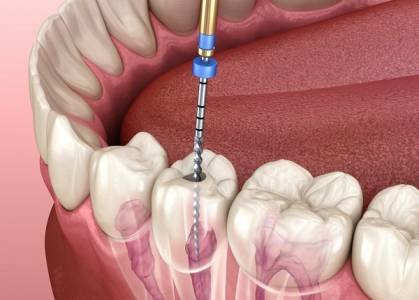
At its core, a root canal treats the inflamed or infected pulp inside your tooth. The pulp is a soft tissue containing nerves, blood vessels, and connective tissue, located in the root canal system within the tooth's root. When this pulp becomes compromised due to deep decay, repeated dental procedures, cracks, or trauma, it can lead to severe pain, abscess formation, and the potential spread of infection.
During Root Canal Therapy, our skilled dental professionals carefully remove the infected or damaged pulp, clean and shape the inside of the root canal system, and then fill and seal it to prevent further infection. This procedure effectively eliminates pain and allows you to keep your natural tooth.
Why Choose Root Canal Therapy?
Choosing Root Canal Therapy offers numerous benefits, making it an excellent investment in your long-term oral health:
- Preserve Your Natural Tooth: The primary advantage is keeping your own tooth, preventing the need for extraction and the subsequent challenges of replacing it with an artificial alternative.
- Eliminate Pain & Discomfort: By removing the infected tissue and bacteria, RCT effectively and immediately relieves the severe pain and sensitivity associated with a compromised pulp.
- Prevent Infection Spread: Stops harmful bacteria from spreading to other teeth, gums, and surrounding bone, protecting your overall health.
- Restore Chewing Function: Once treated and restored (often with a dental crown), the tooth can function normally, allowing you to eat your favorite foods without pain.
- Maintain Aesthetics: Your natural tooth structure and appearance are preserved, contributing to a seamless smile.
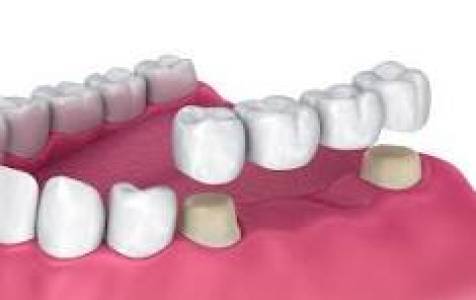
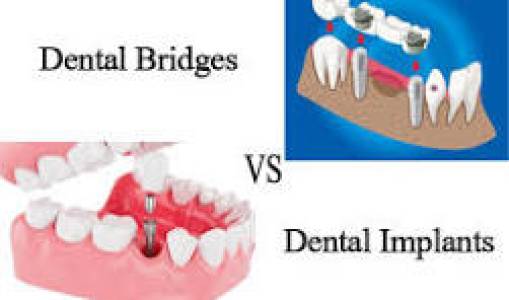
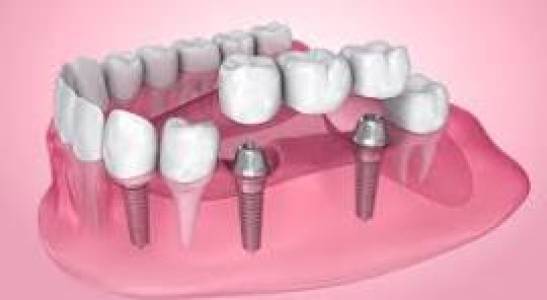
- Cost-Effective Long-Term: In many cases, saving your natural tooth with a root canal and crown is more cost-effective over time than extraction followed by a bridge or implant.
Signs You Might Need a Root Canal:
If you're experiencing any of these symptoms, it's crucial to schedule a dental examination promptly. Early diagnosis and treatment are key to successful outcomes:
- Severe toothache pain upon chewing or application of pressure.
- Prolonged sensitivity to hot or cold temperatures (even after the source is removed).
- Discoloration (darkening) of the tooth.
- Swelling and tenderness in the surrounding gums.
- A persistent or recurring pimple-like bump on the gums (a "fistula"), indicating an infection that is draining.
- Tenderness or swelling in the lymph nodes or jaw.
The Procedure: What to Expect
Our goal is to make your root canal experience as comfortable and stress-free as possible. Thanks to modern techniques and anesthesia, the procedure is often no more uncomfortable than getting a routine filling. Here's a general overview of the steps involved:
- Diagnosis & Anesthesia: We begin with a thorough examination, X-rays, and administer local anesthesia to ensure you feel absolutely no pain during the procedure.
- Access Opening: A small opening is made in the crown of the tooth to access the pulp chamber and root canal system.
- Cleaning & Shaping: The infected or damaged pulp is carefully removed. The root canal system is then meticulously cleaned, disinfected, and shaped using specialized instruments to prepare it for filling.
- Filling & Sealing: The cleaned canals are filled with a biocompatible, rubber-like material called gutta-percha, and sealed with an adhesive cement to prevent re-infection.
- Restoration: A temporary filling is placed. In most cases, a dental crown is highly recommended after RCT to protect the treated tooth from future fracture, restore its full function, and ensure long-term success and aesthetics.
Post-Treatment Care & Longevity
With proper care, a tooth treated with root canal therapy can last a lifetime. This includes:
- Maintaining excellent oral hygiene: Brush twice daily, floss once daily.
- Regular dental check-ups and cleanings: As recommended by your dentist.
- Avoiding chewing on hard foods: Especially before your permanent crown is placed.
- Wearing a nightguard: If you clench or grind your teeth.
Addressing Common Concerns:
- "Are root canals painful?" This is a common myth. Thanks to modern local anesthesia and advanced techniques, the procedure itself is often no more uncomfortable than getting a filling. The root canal actually relieves the severe pain caused by infection, rather than causing it.
- "Is it better to just pull the tooth?" While extraction is an option, preserving your natural tooth is almost always the best choice for long-term oral health, function, and aesthetics. Missing teeth can lead to bone loss, shifting of adjacent teeth, and impact your ability to chew properly.
Ready to Relieve Your Pain and Save Your Tooth?
If you suspect you may need a root canal, don't delay. Early diagnosis and treatment are key to successful outcomes and preventing more serious complications. Our compassionate and experienced team is dedicated to providing comfortable, effective, and state-of-the-art Root Canal Therapy.
Contact us today to schedule your consultation. We're here to answer all your questions and guide you through every step towards a healthy, pain-free smile.
Disclaimer: This product description is for informational purposes only and does not constitute medical advice. A proper diagnosis and personalized treatment plan can only be provided by a qualified dental professional after a thorough examination. Individual results may vary.