Description
Here is a detailed product description for Endodontic Treatment, formatted in Markdown:
Endodontic Treatment: Expert Root Canal Therapy for Lasting Relief & Tooth Preservation
Experience Pain Relief and Save Your Natural Tooth
Are you experiencing severe tooth pain, prolonged sensitivity to hot or cold, or tenderness in your gums? These could be signs of an infection or inflammation within the pulp of your tooth. Endodontic Treatment, commonly known as a root canal, is a highly effective and comfortable procedure designed to alleviate pain, eliminate infection, and save your natural tooth from extraction.
At [Your Clinic Name/Practice Name], we specialize in advanced endodontic care, utilizing state-of-the-art technology and compassionate techniques to ensure a comfortable experience and successful outcome. Don't let tooth pain compromise your health or your smile – let us help you preserve your natural teeth for a lifetime.
What is Endodontic Treatment?
Endodontic treatment focuses on the pulp, the soft tissue inside your tooth that contains nerves, blood vessels, and connective tissue. When this pulp becomes infected or inflamed due to deep decay, repeated dental procedures, a crack, or trauma, it can cause significant pain and lead to an abscess if left untreated.
The procedure involves:
- Removing the infected or inflamed pulp.
- Thoroughly cleaning and shaping the inside of the root canal system.
- Filling and sealing the space with a biocompatible material to prevent future infection.
The goal is always to save your natural tooth, which is superior to artificial replacements in terms of function and aesthetics.
When Do You Need Endodontic Treatment?
You might be a candidate for endodontic treatment if you exhibit any of the following symptoms or conditions:
Common Symptoms:
- Severe toothache pain when chewing or applying pressure.
- Prolonged sensitivity to hot or cold temperatures (even after the stimulus is removed).
- Discoloration (darkening) of the tooth.
- Swelling and tenderness in the surrounding gums.
- A persistent or recurring "pimple" on the gums (indicating an abscess).
Common Causes:
- Deep decay that has penetrated to the pulp.
- Repeated dental procedures on the same tooth.
- A chip or crack in the tooth that exposes the pulp.
- Trauma to the tooth (even if there's no visible chip or crack).
The Benefits of Endodontic Treatment
Choosing endodontic treatment over extraction offers numerous advantages:
- Effective Pain Relief: Eliminates the source of your dental pain and discomfort.
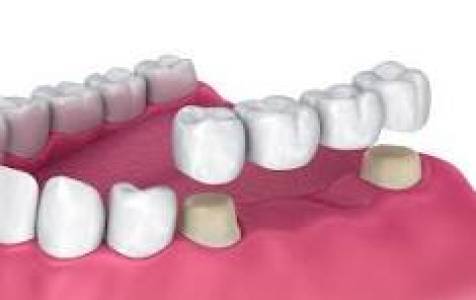
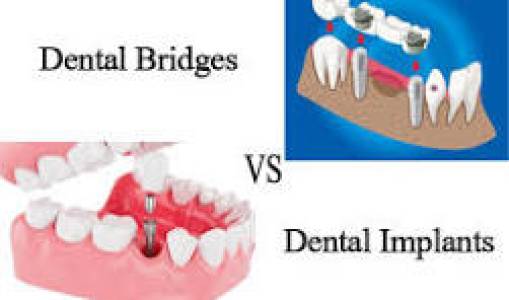
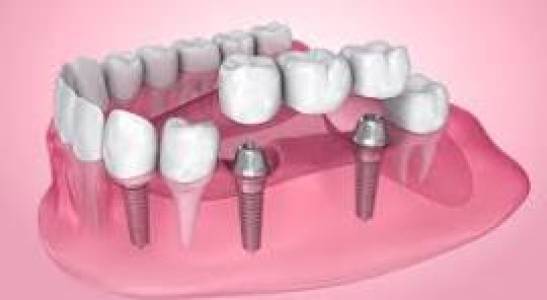
- Tooth Preservation: Saves your natural tooth, preventing the need for bridges or implants.
- Improved Oral Health: Stops the spread of infection, protecting adjacent teeth and overall health.
- Natural Appearance: Maintains your original smile and facial structure.
- Normal Function: Allows you to continue eating and speaking with confidence.
- Cost-Effective Long-Term: Often more economical than replacing an extracted tooth with an implant or bridge.
Our Advanced Approach to Endodontic Care
At [Your Clinic Name/Practice Name], we are committed to providing exceptional endodontic care with a focus on patient comfort and superior results:
- Experienced Endodontists: Our highly skilled specialists have advanced training and expertise in diagnosing and treating complex endodontic cases.
- State-of-the-Art Technology: We utilize cutting-edge tools such as:
- Dental Operating Microscopes: For enhanced visibility and precision during treatment.
- Digital X-rays: Providing immediate, high-resolution images with minimal radiation exposure.
- Rotary NiTi Instruments: For efficient, predictable, and gentle cleaning and shaping of canals.
- Electronic Apex Locators: For accurate measurement of root canal length.
- Advanced Disinfection Protocols: Ensuring a sterile environment and thorough elimination of bacteria.
- Patient-Centered Comfort: We prioritize your comfort with effective local anesthesia, gentle techniques, and offer sedation options (e.g., nitrous oxide, oral sedation) for anxious patients.
- Comprehensive Care: We collaborate closely with your general dentist to ensure seamless follow-up care and final restoration, optimizing the long-term success of your treated tooth.
- Commitment to Sterilization: Adhering to the highest standards of sterilization and infection control for your safety.
The Procedure: What to Expect
Endodontic treatment typically involves one or two appointments:
- Diagnosis & Anesthesia: We begin with a thorough examination, including X-rays, to accurately diagnose your condition. Local anesthesia is administered to numb the tooth and surrounding area, ensuring a pain-free procedure.
- Isolation: A dental dam (a small sheet of latex or non-latex material) is placed around the tooth to keep it clean, dry, and free from saliva during treatment.
- Access Opening: A small opening is made in the crown of the tooth to access the pulp chamber and root canals.
- Cleaning & Shaping: Tiny, flexible instruments (files) are used to carefully remove the infected pulp and shape the canals. Irrigating solutions are used to thoroughly clean and disinfect the entire canal system.
- Filling & Sealing: Once the canals are clean and dry, they are filled with a biocompatible material, usually gutta-percha, and sealed with an adhesive cement to prevent reinfection.
- Temporary Restoration: A temporary filling is placed in the access opening. Your general dentist will place a permanent crown or filling at a later appointment to protect the treated tooth and restore its full function.
Post-Treatment Care & Recovery
It's normal to experience some mild discomfort or sensitivity for a few days after the procedure, especially when chewing. This can usually be managed with over-the-counter pain relievers.
- Avoid chewing on the treated tooth until your general dentist places the permanent crown or filling.
- Maintain excellent oral hygiene by brushing and flossing regularly.
- Schedule your follow-up appointment with your general dentist promptly for the permanent restoration. This is crucial for the long-term success and protection of your treated tooth.
With proper care, a tooth treated with endodontic therapy can last a lifetime.
Schedule Your Consultation Today!
Don't let tooth pain hold you back. If you suspect you may need endodontic treatment, contact [Your Clinic Name/Practice Name] today. Our compassionate team is ready to provide expert diagnosis and personalized treatment to restore your comfort and preserve your natural smile.
[Call to Action Button/Link: Schedule an Appointment] [Phone Number: (XXX) XXX-XXXX] [Email: info@yourclinic.com] [Website: www.yourclinic.com]
Disclaimer: The information provided here is for general educational purposes only and does not constitute medical advice. Always consult with a qualified dental professional for diagnosis and treatment of any dental condition. Individual results may vary.