Description
Here's a detailed product description for a root canal treatment, formatted in Markdown:
Root Canal Treatment: Restore Your Smile, Relieve Your Pain
Don't let the phrase "root canal" fill you with dread. Modern root canal treatment is a highly effective, virtually pain-free, and common procedure designed to save a tooth that has become severely infected or damaged. At [Your Practice Name], we prioritize your comfort and dental health, offering advanced root canal therapy to preserve your natural smile.
What is a Root Canal?
A root canal, also known as endodontic treatment, is a dental procedure that removes infected or inflamed pulp from inside a tooth, cleans and shapes the root canal system, and then fills and seals it. The tooth's pulp contains nerves, blood vessels, and connective tissue. When this pulp becomes compromised, it can lead to severe pain and infection.
The primary goal of a root canal is to:
- Eliminate infection and inflammation.
- Alleviate severe tooth pain.
- Prevent the spread of infection to other teeth or areas of the body.
- Save your natural tooth from extraction.
Why Might You Need a Root Canal?
Root canal treatment is necessary when the pulp inside your tooth becomes infected or inflamed. This can happen due to:
- Deep Decay: Untreated cavities that penetrate deep into the tooth, reaching the pulp chamber.
- Trauma/Injury: A crack, chip, or severe blow to the tooth that damages the pulp.
- Repeated Dental Procedures: Extensive dental work on a tooth can sometimes irritate the pulp to the point of inflammation.
- Cracked or Fractured Teeth: Allowing bacteria to enter the pulp.
- Gum Disease: In advanced stages, infection can reach the tooth's root.
Common symptoms indicating a need for a root canal include:
- Severe, persistent toothache that may worsen when chewing or applying pressure.
- Prolonged sensitivity to hot or cold temperatures, even after the source is removed.
- Swelling and tenderness in the surrounding gums.
- Pimple-like bump (fistula) on the gums near the affected tooth.
- Discoloration of the tooth.
- Tenderness or swelling in nearby lymph nodes or jaw.
The Benefits of Root Canal Treatment
Choosing root canal treatment offers significant advantages:
- Effective Pain Relief: Immediately resolves the agonizing pain caused by the infected pulp.
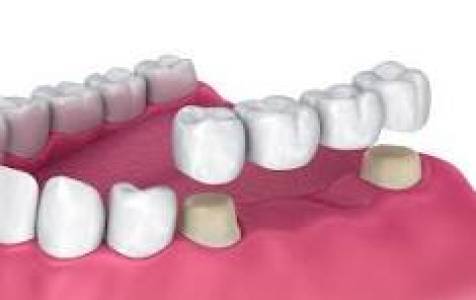
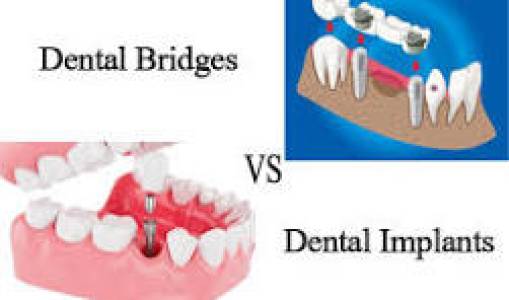
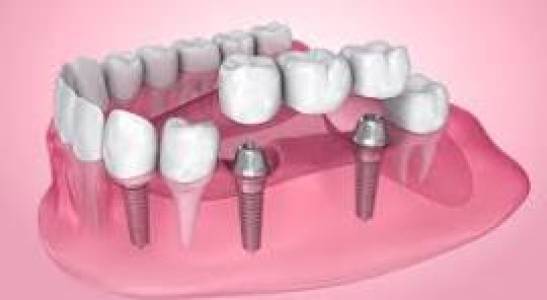
- Preserves Your Natural Tooth: Avoids extraction, which can lead to shifting teeth, jawbone loss, and the need for more complex (and often more expensive) replacements like implants or bridges.
- Prevents Spread of Infection: Eliminates bacteria from the tooth, preventing further damage and potential systemic health issues.
- Restores Chewing Function: Allows you to continue using your natural tooth for biting and chewing without discomfort.
- Maintains Aesthetics: Preserves the natural appearance of your smile.
- Cost-Effective: Often a more economical long-term solution compared to tooth extraction followed by a prosthetic replacement.
The Root Canal Procedure: What to Expect
The root canal procedure is typically completed in one or two appointments, depending on the severity of the infection and complexity of the tooth.
- Diagnosis & Anesthesia: We start with a thorough examination, including digital X-rays, to confirm the diagnosis. Local anesthesia is administered to numb the affected tooth and surrounding area, ensuring a comfortable, pain-free experience during the procedure.
- Isolation: A small protective sheet called a rubber dam is placed around the tooth. This isolates the tooth, keeping it clean and dry from saliva and bacteria during the treatment.
- Access & Cleaning: A small opening is made in the crown of the tooth. Through this opening, the infected or inflamed pulp is carefully removed using specialized instruments. The root canals are then thoroughly cleaned, disinfected, and shaped.
- Filling & Sealing: Once the canals are clean and dry, they are filled with a biocompatible, rubber-like material called gutta-percha. This material is used in conjunction with an adhesive cement to completely seal the canals and prevent re-infection.
- Temporary Restoration: A temporary filling is placed in the tooth's crown to protect it until your permanent restoration.
- Permanent Restoration (Crown): In most cases, a tooth that has undergone root canal treatment will require a permanent crown. This is crucial for strengthening the tooth, preventing fracture, and restoring its full function and appearance. We will discuss your crown options at your follow-up appointment.
Is a Root Canal Painful? Addressing the Myth
Many people fear root canal treatment, associating it with severe pain. However, this is largely a myth from outdated dental practices. The procedure itself is generally not painful. Thanks to modern anesthetics and advanced techniques, the treatment is often no more uncomfortable than having a regular filling. In fact, a root canal relieves the severe pain caused by the infection, rather than creating it.
You may experience some mild soreness or sensitivity for a few days after the procedure, which can typically be managed with over-the-counter pain relievers.
After Your Root Canal Treatment
- Temporary Discomfort: It's normal to experience some mild sensitivity or tenderness, especially when chewing, for a few days. This can be managed with over-the-counter pain medication.
- Avoid Chewing: While your tooth has a temporary filling, avoid chewing on the treated tooth until your permanent crown or restoration is placed.
- Oral Hygiene: Continue your regular brushing and flossing routine.
- Follow-Up: Be sure to attend your follow-up appointment for the placement of your permanent crown or restoration. This step is critical to protect your treated tooth and ensure its long-term success.
Why Choose [Your Practice Name] for Your Root Canal?
At [Your Practice Name], we are committed to providing exceptional endodontic care with a patient-centered approach:
- Experienced Dentists/Endodontists: Our team has extensive experience and specialized training in advanced root canal techniques.
- State-of-the-Art Technology: We utilize the latest dental technology, including digital X-rays, rotary endodontic instruments, and microscopic visualization, to ensure precise, efficient, and comfortable treatment.
- Comfort-Focused Environment: We understand dental anxiety. Our office is designed to be relaxing, and we offer amenities and sedation options to make your experience as comfortable as possible.
- Personalized Care: We take the time to explain your diagnosis, treatment options, and answer all your questions, empowering you to make informed decisions about your health.
- Compassionate Team: Our friendly staff is dedicated to providing supportive and empathetic care throughout your entire treatment journey.
Schedule Your Consultation
Don't let a painful tooth or the fear of a root canal prevent you from achieving optimal dental health. If you are experiencing symptoms of an infected tooth, contact us today to schedule a consultation. We're here to help you get out of pain and save your smile!
Call us at: [Your Phone Number] Visit us at: [Your Website/Address]
Disclaimer: This product description provides general information and does not constitute medical advice. Individual results may vary. It is essential to consult with a qualified dental professional for a proper diagnosis and personalized treatment plan.