Description
Advanced Medical Implants: Restoring Function, Enhancing Life
Medical implants are sophisticated biomedical devices meticulously engineered to be surgically placed into the body to replace, support, enhance, or monitor biological structures and functions. They represent a pinnacle of modern medical technology, offering life-changing solutions for patients suffering from a wide range of conditions, from chronic pain and organ failure to cosmetic needs and functional impairments.
What Are Medical Implants?
Implants are meticulously designed devices made from highly specialized, biocompatible materials that are safe for long-term interaction with the body's tissues. Their primary purpose is to integrate seamlessly with the body's natural systems, providing a durable and effective solution where biological function is compromised or absent.
Key Features & Benefits
- Biocompatible Materials: Manufactured from advanced materials such as medical-grade titanium, stainless steel, ceramics, specialized polymers, and alloys that minimize adverse reactions, ensure tissue integration, and promote long-term acceptance by the body.
- Durability & Longevity: Engineered for extended service within the demanding environment of the human body, providing years, often decades, of reliable function.
- Precision Engineering: Each implant is designed with exact specifications, often tailored to individual patient anatomy, ensuring optimal fit, function, and aesthetic outcomes.
- Restoration of Function: Enables patients to regain lost capabilities, such as mobility, sensory perception (hearing, sight), or organ function, significantly improving independence and quality of life.
- Pain Relief & Comfort: Alleviates chronic pain associated with damaged joints, nerves, or tissues, allowing patients to lead more comfortable and active lives.
- Enhanced Quality of Life: By addressing underlying medical issues, implants empower individuals to return to daily activities, pursue hobbies, and experience an overall improved sense of well-being.
- Advanced Integration: Modern implants often feature porous surfaces, coatings, or drug-eluting properties that encourage bone growth, reduce infection risk, or deliver therapeutic agents directly.
Advanced Materials & Technology
Our implants utilize cutting-edge materials and manufacturing processes:
- Titanium & Titanium Alloys: Renowned for their strength-to-weight ratio, corrosion resistance, and excellent biocompatibility, ideal for orthopedic and dental applications.
- Cobalt-Chromium Alloys: Offer high wear resistance and strength, commonly used in joint replacements.
- Medical-Grade Polymers (e.g., UHMWPE, Silicone): Used for soft tissue augmentation, joint bearings, and flexible components due to their elasticity and inertness.
- Ceramics (e.g., Zirconia, Alumina): Provide exceptional hardness, wear resistance, and inertness, often used in dental and joint prosthetics.
- Bioactive Coatings: Promote faster bone integration (osseointegration) or deliver localized therapeutic effects.
- 3D Printing & Customization: Leveraging additive manufacturing allows for the creation of patient-specific implants with intricate designs and unparalleled precision.
- Smart Implants: Incorporating sensors and microelectronics for real-time monitoring of physiological parameters or controlled drug release.
Diverse Applications Across Specialties
While the core principle remains consistent, implants serve a vast array of medical needs across numerous specialties:
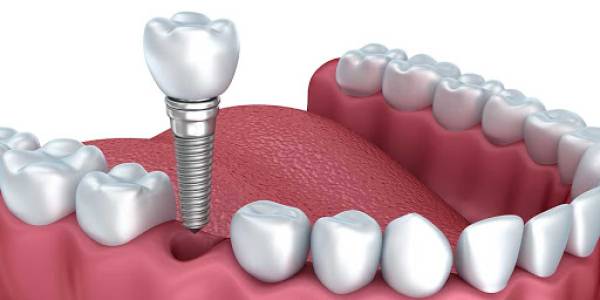
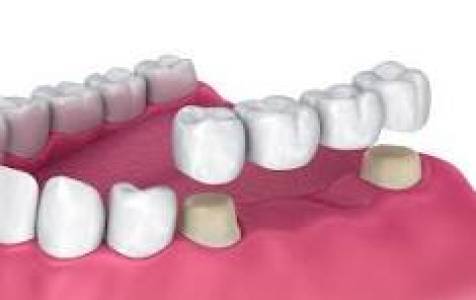
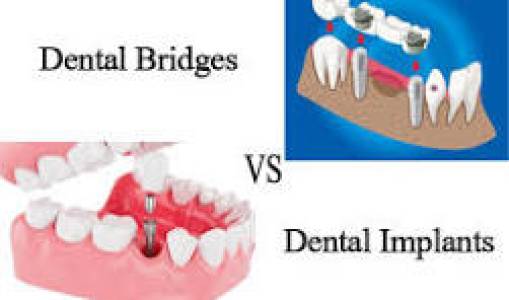
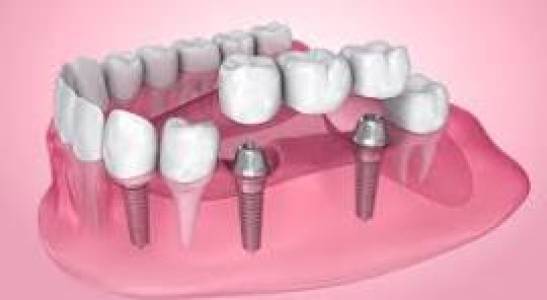
- Dental Implants: Replace missing tooth roots, providing a strong foundation for fixed or removable prosthetic teeth (crowns, bridges, dentures). They prevent bone loss and restore chewing function and aesthetics.
- Examples: Endosteal implants (in the bone), subperiosteal implants (on the bone).
- Orthopedic Implants: Used to replace or support damaged bones and joints, restoring mobility and reducing pain.
- Examples: Total joint replacements (hip, knee, shoulder), spinal fusion devices, bone plates, screws, rods, pins for fracture fixation.
- Cardiovascular Implants: Address heart conditions and vascular issues.
- Examples: Pacemakers, implantable cardioverter-defibrillators (ICDs), artificial heart valves, stents, vascular grafts.
- Neurological Implants: Interface with the nervous system to restore sensory function, manage pain, or control neurological disorders.
- Examples: Cochlear implants (for hearing), deep brain stimulators (for Parkinson's, essential tremor), spinal cord stimulators (for chronic pain), vagus nerve stimulators (for epilepsy), retinal implants.
- Cosmetic & Reconstructive Implants: Restore body contour, enhance features, or reconstruct tissues after injury or surgery.
- Examples: Breast implants (saline, silicone), tissue expanders, facial implants (chin, cheek), gluteal implants.
- Ocular Implants: Used within the eye to restore vision or treat conditions.
- Examples: Intraocular lenses (IOLs) after cataract surgery, glaucoma drainage devices.
- Drug Delivery Implants: Provide sustained, localized release of medication over an extended period.
- Examples: Contraceptive implants, chemotherapy implants, pain management pumps.
Uncompromising Quality & Safety
Patient safety is our paramount concern. All our medical implants undergo rigorous testing and adhere to the highest international quality standards (e.g., ISO, FDA, CE Mark). Our manufacturing facilities are state-of-the-art, employing stringent quality control measures at every stage, from material selection to final sterilization. We are committed to continuous research and development to push the boundaries of medical science responsibly.
Who Can Benefit from Medical Implants?
- Individuals suffering from conditions causing chronic pain, functional loss, or cosmetic disfigurement.
- Patients seeking durable, long-term solutions to replace damaged or missing body parts.
- Healthcare professionals looking for reliable, high-quality, and innovative solutions for their patients.
Learn More
To explore our comprehensive range of medical implants and discuss how these advanced solutions can benefit you or your patients, please contact our medical device specialists. We are dedicated to partnering with healthcare providers to deliver optimal patient outcomes.
Important Disclaimer: The information provided in this product description is for general understanding and informational purposes only, and does not constitute medical advice. The decision to use any medical implant should only be made in consultation with a qualified healthcare professional, who can assess individual needs, risks, and benefits. Results may vary depending on individual patient circumstances.