Description
Here's a detailed product description for "Cavity Filling" in Markdown format, tailored as if for a dental practice's website or informational brochure.
Cavity Filling: Restore Your Smile & Protect Your Oral Health
Don't let dental decay compromise your smile or your health. At [Your Dental Practice Name], we offer advanced, comfortable, and durable cavity filling solutions designed to restore the strength and beauty of your teeth, preventing further damage and preserving your oral well-being.
What is a Cavity Filling?
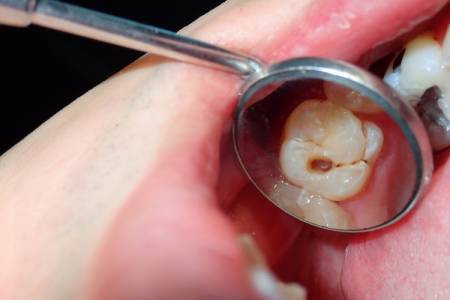
A dental filling is a common and essential procedure used to treat tooth decay, also known as a cavity. When a tooth is affected by decay, a small hole or structural damage occurs. A filling involves carefully removing the decayed portion of the tooth and then filling the cleaned-out space with a restorative material. This process stops the decay from progressing, restores the tooth's structure, and prevents future bacterial invasion.
Why is a Cavity Filling Essential?
Ignoring a cavity can lead to severe consequences for your oral and overall health. A timely filling is crucial because it:
- Stops Decay Progression: Prevents the cavity from growing larger and reaching the tooth's sensitive inner pulp (nerve).
- Alleviates Pain & Sensitivity: Addresses the root cause of toothaches, sensitivity to hot/cold, and discomfort during chewing.
- Restores Tooth Structure: Repairs the damaged tooth, allowing for normal biting and chewing function.
- Prevents Infection: Blocks bacteria from entering deeper into the tooth, which can lead to painful infections, abscesses, or even systemic health issues.
- Avoids Tooth Loss: Early intervention with a filling can prevent the need for more complex procedures like root canals or tooth extraction.
- Preserves Your Smile: Modern fillings, especially tooth-colored options, can seamlessly blend with your natural teeth, maintaining your aesthetic appeal.
Types of Filling Materials We Offer
We provide a range of high-quality filling materials, and our dentists will help you choose the best option based on the cavity's location, size, your aesthetic preferences, and budget.
1. Composite (Tooth-Colored) Fillings
- Description: Made from a mixture of plastic and fine glass particles.
- Benefits:
- Aesthetic: Blends seamlessly with your natural tooth color, virtually invisible.
- Conservative: Requires less tooth structure removal compared to amalgam.
- Versatile: Can be used on both front and back teeth.
- Bonding: Chemically bonds to the tooth, providing additional support.
- Ideal For: Patients seeking a natural-looking restoration, minor to moderate decay, or repairing chipped teeth.
2. Amalgam (Silver) Fillings
- Description: A durable and traditional filling material made from a mixture of metals, including silver, tin, copper, and mercury.
- Benefits:
- Strength & Durability: Exceptionally strong and long-lasting, ideal for large cavities in molars that endure heavy chewing forces.
- Cost-Effective: Generally more affordable than composite fillings.
- Proven Track Record: Has been used safely and effectively for over 150 years.
- Ideal For: Back teeth where strength and durability are primary concerns, and visibility is less of an issue.
Other Options (Discuss with your Dentist)
Depending on your specific needs, we may also discuss options like gold fillings (highly durable, costly), ceramic/porcelain fillings (custom-made, aesthetic, durable but more expensive), or glass ionomer fillings (release fluoride, ideal for certain situations).
The Cavity Filling Process: What to Expect
Our priority is your comfort and a smooth, efficient experience. Here's a general overview of the cavity filling process:
- Diagnosis: Your dentist will use X-rays and a visual examination to confirm the presence and extent of the cavity.
- Anesthesia: A local anesthetic will be applied to numb the tooth and surrounding area, ensuring a pain-free procedure.
- Decay Removal: The decayed tooth material will be carefully removed using a dental drill. The area will then be thoroughly cleaned and sterilized.
- Material Application:
- For Composite Fillings: The tooth may be etched with a mild acid and a bonding agent applied. Layers of the composite resin are then applied, molded, and hardened with a special curing light.
- For Amalgam Fillings: The amalgam mixture is directly placed into the prepared cavity and packed tightly to fill the space.
- Shaping & Polishing: The dentist will shape the filling to match the natural contours of your tooth and bite, ensuring proper function. Finally, the filling will be polished for a smooth finish.
Benefits of Choosing [Your Dental Practice Name] for Your Cavity Filling
- Experienced & Gentle Dentists: Our team uses the latest techniques and equipment to ensure comfortable and effective treatment.
- Patient-Centered Care: We prioritize your comfort and understanding, explaining every step and answering all your questions.
- High-Quality Materials: We use only premium, FDA-approved filling materials for lasting results and optimal health.
- Advanced Technology: From precise diagnostic tools to efficient filling application, we leverage technology for superior outcomes.
- Personalized Treatment Plans: We assess your individual needs to recommend the most suitable filling material and approach.
- Commitment to Your Oral Health: Our goal is to not just treat cavities but to empower you with knowledge for long-term preventative care.
Aftercare & Maintenance
After your cavity filling, it's normal to experience some mild sensitivity to hot/cold or pressure for a few days. We'll provide specific aftercare instructions, which typically include:
- Avoiding chewing on the treated side until the numbness wears off.
- Maintaining excellent oral hygiene (brushing twice daily, flossing once daily).
- Avoiding overly sticky or hard foods immediately after.
- Regular dental check-ups and cleanings to monitor your filling and overall oral health.
Signs You Might Have a Cavity
If you experience any of these symptoms, it's crucial to schedule a dental check-up promptly:
- Toothache or spontaneous pain without an obvious cause.
- Sensitivity to hot, cold, or sweet foods/drinks.
- Visible holes or pits in your teeth.
- Brown, black, or white staining on any tooth surface.
- Pain when you bite down.
- Food getting caught consistently in a particular area.
Ready to Restore Your Smile & Protect Your Health?
Don't wait for a small problem to become a big one. If you suspect you have a cavity or are due for a check-up, contact us today! Our friendly team at [Your Dental Practice Name] is ready to provide you with the gentle, effective care you deserve.
[Call to Action:]
- Call us at: [Your Phone Number]
- Book Online: [Link to Online Booking Page]
- Visit Us At: [Your Address]
Disclaimer: This information is for educational purposes only and does not constitute medical advice. Always consult with a qualified dental professional for diagnosis and treatment recommendations tailored to your specific needs.