Description
Here's a detailed product description for "Tooth Filling" in Markdown format, suitable for a dental practice's website or informational brochure.
Restore Your Smile & Health: Durable Tooth Fillings
Reclaim Your Comfort and Protect Your Teeth
A tooth filling is a fundamental dental restoration designed to repair teeth damaged by decay, cracks, or fractures. It's a common, effective, and essential procedure that stops the progression of cavities, alleviates discomfort, and restores the tooth's form, function, and integrity. Don't let tooth decay compromise your oral health or confidence – a timely filling can prevent more extensive and costly problems down the line.
Key Benefits of Tooth Fillings:
- Pain & Sensitivity Relief: Effectively eliminates pain, sensitivity, and discomfort caused by cavities or exposed dentin.
- Stops Decay Progression: Removes decayed tooth material, preventing the cavity from growing larger and affecting the tooth's pulp (nerve).
- Restores Tooth Structure: Rebuilds the damaged portion of the tooth, restoring its natural shape and strength.
- Enhances Chewing Function: Allows you to chew comfortably and efficiently without pain or fear of further damage.
- Prevents Further Damage: Protects the weakened tooth from fracturing or breaking due to biting forces.
- Improves Oral Hygiene: Eliminates rough spots or holes where food particles and bacteria can accumulate, making cleaning easier.
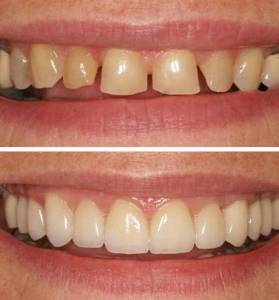
- Cosmetic Improvement: Tooth-colored options seamlessly blend with your natural teeth, enhancing your smile's appearance.
Understanding the Procedure: What to Expect
The tooth filling procedure is typically straightforward and completed in a single visit:
- Diagnosis: Your dentist will examine your teeth and may take X-rays to identify cavities or damaged areas.
- Anesthesia: A local anesthetic will be applied to numb the tooth and surrounding area, ensuring a comfortable experience.
- Decay Removal: The decayed or damaged tooth material is carefully removed using specialized dental instruments.
- Cleaning & Preparation: The cavity is thoroughly cleaned to remove any bacteria or debris, and shaped to ensure the filling adheres properly.
- Filling Application: Your chosen filling material is applied in layers (for composite), shaped to match your tooth's anatomy, and hardened (often with a special light).
- Polishing: The filling is trimmed, adjusted for your bite, and polished to a smooth, natural finish.
Our Range of Filling Materials:
We offer a variety of high-quality dental filling materials, each with unique advantages. Your dentist will discuss the best option for your specific needs, considering the tooth's location, extent of decay, aesthetic concerns, and budget.
- 1. Composite Resin (Tooth-Colored Fillings):
- Description: Made from a mixture of plastic and fine glass particles.
- Advantages: Esthetically pleasing as they match the natural tooth color, strong bonding to tooth structure, mercury-free, versatile for various cavity sizes.
- Ideal for: Front teeth, visible areas, or anyone prioritizing a natural-looking restoration.
- 2. Dental Amalgam (Silver Fillings):
- Description: A durable and traditional filling material made from a mixture of metals, including silver, tin, copper, and mercury.
- Advantages: Extremely durable, long-lasting, highly resistant to wear, and generally more cost-effective.
- Ideal for: Back teeth (molars) where chewing forces are greatest and aesthetics are less of a concern.
- 3. Ceramic (Porcelain Fillings / Inlays & Onlays):
- Description: Made from porcelain, these are custom-made in a dental lab and then bonded to the tooth.
- Advantages: Highly aesthetic, very durable, stain-resistant, and can cover larger areas than traditional composite fillings while preserving more tooth structure than a crown.
- Ideal for: Moderate to large cavities, especially in visible areas, providing excellent strength and beauty.
- 4. Glass Ionomer Fillings:
- Description: A tooth-colored material that releases fluoride, which can help protect the tooth from further decay.
- Advantages: Releases fluoride, good biocompatibility, useful in non-stress bearing areas.
- Ideal for: Smaller cavities, primary (baby) teeth, root surfaces, or as temporary restorations.
Who Needs a Tooth Filling?
You might need a tooth filling if you experience:
- Persistent tooth sensitivity to hot, cold, or sweet.
- Visible holes, pits, or dark spots on the tooth surface.
- Pain when biting down or chewing.
- A chipped or fractured tooth that has exposed the inner dentin.
- Food getting caught consistently in a particular area of your teeth.
Post-Treatment Care:
- Oral Hygiene: Continue brushing twice a day and flossing daily to maintain excellent oral health.
- Regular Check-ups: Schedule routine dental examinations and cleanings to monitor your fillings and overall dental health.
- Avoid Hard Foods: Be mindful of very hard or sticky foods, especially in the first few hours after receiving a filling, and generally to prevent damage.
- Report Concerns: If you experience ongoing sensitivity, pain, or notice any chips or cracks in your filling, contact us immediately.
Don't Let Decay Progress!
Early detection and treatment of cavities with a tooth filling are crucial for preventing more severe dental issues like extensive decay, infection, root canal treatment, or even tooth loss. Restore your oral health, comfort, and the beauty of your smile with our expert dental filling services.
Call to Action:
Ready to address that cavity and protect your smile? Contact us today to schedule your comprehensive dental examination and consultation! [Phone Number] | [Email Address] | [Website Link to Booking]
Disclaimer: This information is for general educational purposes only and is not a substitute for professional dental advice. Always consult with a qualified dentist to determine the best treatment plan for your individual needs.