Description
Root Canal Therapy: Preserve Your Natural Tooth, Eliminate Pain, Restore Health
Experiencing persistent tooth pain, sensitivity, or swelling? Don't let dental discomfort dictate your life or risk losing a valuable natural tooth. Our advanced Root Canal Therapy offers a highly effective and comfortable solution to treat infected or damaged tooth pulp, relieving your pain and saving your smile.
What is Root Canal Therapy?
Root Canal Therapy, also known as Endodontic Treatment, is a sophisticated dental procedure designed to treat infection or inflammation within the innermost part of your tooth – the pulp. The pulp contains nerves, blood vessels, and connective tissue, and when it becomes infected (often due to deep decay, repeated dental procedures, cracks, or trauma), it can cause severe pain and lead to an abscess if left untreated.
The goal of a root canal is to:
- Remove the infected or inflamed pulp.
- Clean and disinfect the inside of the tooth and its root canals.
- Fill and seal the cleaned space to prevent future infection.
This process eliminates the source of pain and infection, allowing you to retain your natural tooth structure for many years to come.
Key Benefits of Root Canal Therapy
Opting for a root canal offers numerous advantages beyond just immediate pain relief:
- Exceptional Pain Relief: Effectively eliminates the throbbing, persistent pain associated with an infected tooth.
- Preserves Your Natural Tooth: Avoids the need for extraction, maintaining your natural bite and smile. This is almost always preferable to an artificial replacement.
- Prevents Infection Spread: Stops the infection from spreading to surrounding teeth, gums, or even into your jawbone and bloodstream.
- Restores Chewing Function: Allows you to chew and speak normally and comfortably again.
- Maintains Facial Aesthetics: Prevents the shifting of surrounding teeth that can occur with tooth loss, preserving your natural facial structure.
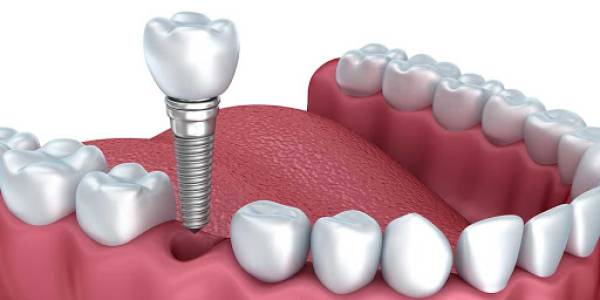
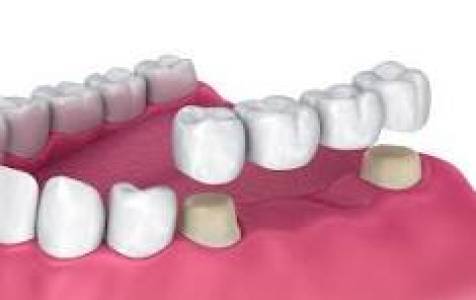
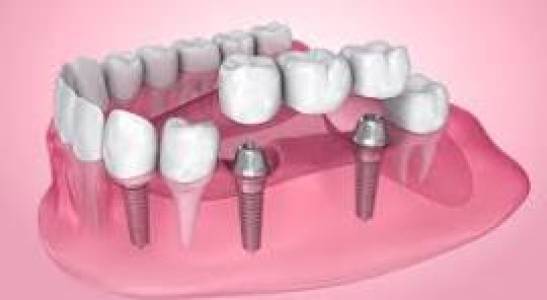
- Cost-Effective Long-Term: Often more economical than extraction followed by a bridge or dental implant.
- High Success Rate: With modern techniques, root canal therapy boasts a very high success rate, often lasting a lifetime with proper care.
Who Needs Root Canal Therapy? (Indications)
You might be a candidate for root canal therapy if you experience any of the following symptoms:
- Severe toothache that is persistent, spontaneous, or wakes you up at night.
- Prolonged sensitivity to hot or cold temperatures, even after the source is removed.
- Tenderness or pain when chewing or applying pressure to the tooth.
- Swelling, tenderness, or a "pimple" on the gums near the affected tooth (a sign of an abscess).
- Discoloration or darkening of the tooth.
- Deep decay that has reached the pulp.
- A chipped or cracked tooth that has exposed the pulp.
The Root Canal Procedure: What to Expect
Modern root canal therapy is a routine and often comfortable procedure performed over one or two appointments.
- Diagnosis: We begin with a thorough examination, including digital X-rays and vitality tests, to confirm the need for treatment and assess the extent of the infection.
- Anesthesia: Local anesthetic is administered to completely numb the tooth and surrounding area, ensuring a pain-free procedure.
- Isolation: A dental dam (a small sheet of latex or non-latex material) is placed around the tooth to keep it dry and free from saliva during treatment.
- Access Opening: A small opening is made through the crown of the tooth to access the pulp chamber and root canals.
- Cleaning and Shaping: Tiny, flexible instruments (endodontic files) are used to carefully remove the infected pulp and shape the canals. Irrigating solutions are used to thoroughly clean and disinfect the canals.
- Filling and Sealing: Once cleaned and disinfected, the canals are filled with a biocompatible material called gutta-percha, which is then sealed with an adhesive cement to prevent re-infection.
- Temporary Restoration: A temporary filling is placed in the access opening to protect the tooth until the final restoration.
- Final Restoration (Crucial Step): After the root canal, it is essential to have the tooth permanently restored, usually with a dental crown. This protects the treated tooth from fracture and ensures its long-term success and functionality.
Why Choose Our Practice for Your Root Canal Therapy?
- Experienced Professionals: Our skilled dental team, including experienced endodontists, utilizes the latest techniques and technology for precise and effective treatment.
- Advanced Technology: We incorporate digital X-rays, rotary endodontics, and dental microscopes for enhanced visibility, accuracy, and patient comfort.
- Patient-Centered Care: We prioritize your comfort and understanding, offering clear explanations, pain management strategies, and a supportive environment.
- Sterile Environment: Adherence to strict sterilization protocols ensures your safety and well-being.
- Comprehensive Follow-Up: We guide you through post-treatment care and recommend the optimal final restoration for lasting results.
Don't Let Pain Linger!
If you suspect you may need root canal therapy, do not delay seeking professional evaluation. Early diagnosis and treatment can prevent further complications and increase the success rate of saving your natural tooth.
Contact us today to schedule a consultation and take the first step towards a pain-free, healthy smile!
Disclaimer: This product description is for informational purposes only and does not constitute medical advice. A proper diagnosis and treatment plan can only be made by a qualified dental professional after a thorough examination. Individual results may vary.