Description
Root Canal Treatment: Save Your Natural Smile & Eliminate Pain
Don't let tooth pain or infection dictate your life. Root Canal Treatment, also known as Endodontics, is a highly effective and common dental procedure designed to save a severely damaged or infected tooth, alleviate pain, and restore your oral health. Contrary to old myths, modern root canal therapy is often no more uncomfortable than getting a standard filling.
What is a Root Canal Treatment?
A root canal procedure is necessary when the soft tissue inside your tooth, called the pulp (which contains nerves, blood vessels, and connective tissue), becomes inflamed or infected. This can be caused by deep decay, repeated dental procedures on the tooth, a crack or chip in the tooth, or trauma. If left untreated, the infection can spread, leading to severe pain, abscess formation, bone loss, and eventually, the loss of the tooth itself.
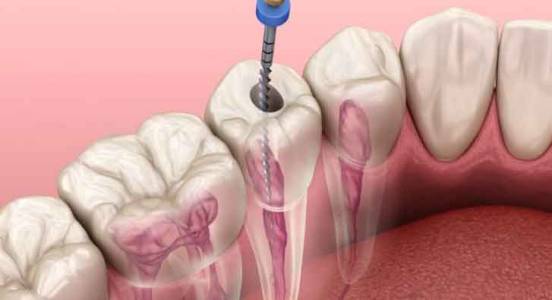
During a root canal, the inflamed or infected pulp is carefully removed, the inside of the tooth is thoroughly cleaned and disinfected, and then it's filled and sealed to prevent further infection. This allows you to keep your natural tooth, which is always the best option for maintaining proper chewing function and a natural appearance.
Why You Might Need a Root Canal (Indications)
You might be a candidate for root canal treatment if you experience any of the following symptoms:
- Persistent Tooth Pain: Ranging from mild discomfort to severe, throbbing pain, especially when chewing or applying pressure.
- Sensitivity to Hot and Cold: Lingering sensitivity after exposure to hot or cold temperatures.
- Swelling and Tenderness: Swollen, tender gums around the affected tooth.
- Pimple-Like Bump on the Gums: A recurring or persistent "pimple" or lesion on the gums, indicating an infection draining from the tooth.
- Darkening or Discoloration of the Tooth: A change in the color of the tooth, often indicating nerve damage.
- Pain When Biting or Chewing: Discomfort or sharp pain when using the tooth.
The Benefits of Choosing Root Canal Treatment
- Save Your Natural Tooth: The primary benefit is preserving your existing tooth, avoiding the need for extraction and the subsequent costs and complexities of implants or bridges.
- Eliminate Pain and Discomfort: Effectively removes the source of infection and inflammation, providing significant pain relief.
- Prevent Spread of Infection: Stops the infection from spreading to other teeth, gums, and even into your jawbone.
- Restore Chewing Function: Allows you to continue eating your favorite foods without pain or limitations.
- Maintain Natural Appearance: Keeping your natural tooth helps maintain your smile's aesthetics and prevents adjacent teeth from shifting.
- Cost-Effective Long-Term: Often a more affordable solution over time compared to tooth extraction followed by a dental implant or bridge.
Our Root Canal Treatment Process (Simplified)
Your comfort and health are our top priorities. Here's a general overview of what to expect during your root canal procedure:
- Diagnosis: We'll start with a thorough examination, including X-rays, to accurately diagnose the extent of the infection and damage.
- Anesthesia: Local anesthetic will be administered to ensure the area around your tooth is completely numb, making the procedure painless.
- Access Opening: A small opening is made on the crown of the tooth to access the pulp chamber and root canals.
- Cleaning and Shaping: Using specialized instruments, the infected pulp is removed, and the root canals are meticulously cleaned, disinfected, and shaped.
- Filling and Sealing: The cleaned canals are then filled with a biocompatible material, typically gutta-percha, and sealed with adhesive cement to prevent re-infection.
- Temporary Restoration: A temporary filling is placed to protect the tooth until your permanent restoration.
- Permanent Restoration: In most cases, a dental crown is recommended after a root canal to protect the treated tooth from future fracture and restore its full function and appearance.
What to Expect: Before, During, and After
- Before Your Appointment: We'll provide a comprehensive consultation, answer all your questions, and discuss any sedation options if you experience dental anxiety.
- During the Procedure: Thanks to modern anesthetics, the procedure itself is typically pain-free. You may feel some pressure or vibration, but no sharp pain.
- After the Procedure: It's normal to experience some mild soreness or sensitivity for a few days, which can usually be managed with over-the-counter pain relievers. We'll provide detailed post-care instructions and schedule a follow-up for your permanent restoration.
Why Choose [Your Clinic Name] for Your Root Canal?
At [Your Clinic Name], we are committed to providing gentle, effective, and state-of-the-art root canal therapy.
- Experienced & Compassionate Team: Our dentists are highly trained in endodontic procedures, prioritizing your comfort and delivering exceptional care.
- Advanced Technology: We utilize the latest dental technology, including digital X-rays and specialized instruments, for precise diagnosis and efficient treatment.
- Patient-Centered Approach: We take the time to explain every step, address your concerns, and offer sedation options to ensure a stress-free experience.
- Comfortable Environment: Our clinic is designed to make your visit as relaxing and pleasant as possible.
- Commitment to Excellence: We aim for successful, long-lasting outcomes, helping you maintain your natural smile for years to come.
Invest in Your Oral Health Today!
Don't let tooth pain or infection compromise your well-being. A timely root canal treatment can save your tooth, relieve your pain, and restore your quality of life.
Contact [Your Clinic Name] today to schedule a consultation and discuss if root canal treatment is the right solution for you.
Call Us: [Your Phone Number]
Email Us: [Your Email Address]
Visit Our Website: [Your Website Link]
Disclaimer: Individual results may vary. This information is for general educational purposes only and does not substitute professional dental advice. Always consult with a qualified dental professional for diagnosis and treatment options.