Here's a detailed product description for "Root Canal Therapy" in Markdown format, aiming for a tone that is informative, reassuring, and professional.
Root Canal Therapy: Restore Your Smile, Preserve Your Tooth
Are you experiencing persistent tooth pain, extreme sensitivity to hot or cold, or a tender swelling around a tooth? These could be signs that the soft tissue inside your tooth, known as the pulp, has become infected or inflamed. Root Canal Therapy (RCT) is a highly effective and common dental procedure designed to alleviate this pain, eliminate the infection, and save your natural tooth from extraction.
With modern advancements in dentistry, Root Canal Therapy is a comfortable and routine treatment that can significantly improve your oral health and quality of life.
Why Choose Root Canal Therapy?
Root Canal Therapy is often the best choice for preserving a severely damaged or infected tooth. It's an investment in your long-term oral health and maintains the natural alignment and function of your bite.
Key Features & Benefits:
Pain Relief: The primary benefit is the elimination of the excruciating toothache caused by infected or inflamed pulp. RCT targets the source of the pain, providing lasting comfort.
Tooth Preservation: By removing the diseased pulp, we can save your natural tooth, preventing the need for extraction and the subsequent challenges of replacing a missing tooth (like shifting teeth, difficulty chewing, or costly prosthetics).
Infection Eradication: The procedure thoroughly cleans out bacteria and necrotic tissue from the root canals, stopping the spread of infection to other teeth or surrounding bone.
Maintains Oral Health: Keeping your natural tooth helps maintain the integrity of your jaw structure, bite alignment, and overall oral health.
Long-Term Solution: With proper care and a final restorative crown or filling, a treated tooth can last a lifetime, functioning just like any other natural tooth.
Improved Aesthetics & Function: Once restored with a crown, the treated tooth will look, feel, and function naturally, allowing you to chew, speak, and smile with confidence.
Who Needs Root Canal Therapy?
You might be a candidate for Root Canal Therapy if you experience any of the following symptoms:
Persistent toothache: Especially when chewing or applying pressure.
Sensitivity: Lingering sensitivity to hot or cold temperatures.
Swelling: Tenderness or swelling in the gums near the affected tooth.
Pimple-like bump: A recurring "pimple" on the gums, indicating an infection.
Discoloration: Darkening or discoloration of the tooth.
Trauma: A chip or crack in the tooth that has exposed the pulp.
The Root Canal Procedure: What to Expect
The procedure is typically performed over one or two appointments and is designed to be as comfortable as possible.
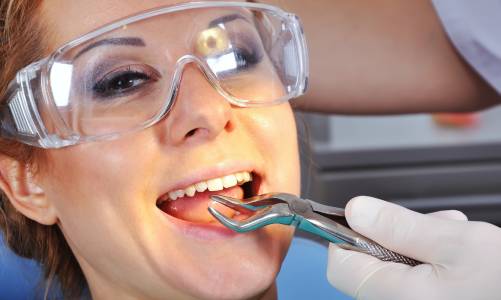
Diagnosis & Anesthesia: Your dentist will take X-rays and conduct tests to confirm the diagnosis. Local anesthesia will be administered to numb the tooth and surrounding area, ensuring you feel no pain during the procedure.
Access Opening: A small opening is made on the crown of the tooth to access the pulp chamber and root canals.
Cleaning & Shaping: Tiny, flexible instruments are used to carefully remove the infected or inflamed pulp, bacteria, and debris from the root canals. The canals are then thoroughly cleaned and shaped to prepare them for filling.
Filling & Sealing: The cleaned and shaped canals are filled with a biocompatible, rubber-like material called gutta-percha, which is sealed into place with an adhesive cement. This prevents re-infection.
Temporary Restoration: A temporary filling is placed in the access opening to protect the tooth until your final restoration.
Final Restoration: In most cases, a dental crown is recommended to protect the treated tooth from fracture and restore its full function and appearance. This is typically done during a separate follow-up appointment.
Root Canal Therapy vs. Extraction
Feature
Root Canal Therapy
Tooth Extraction
Outcome
Preserves natural tooth
Removes natural tooth, creating a gap
Jaw & Bite Integrity
Maintains natural bite and jawbone
Can lead to bone loss, shifting teeth, and bite issues
Restored to natural look and function (with crown)
Requires prosthetic replacement for aesthetics
Long-Term Cost
Often more cost-effective than extraction + replacement
Higher long-term costs due to replacement procedures
Invasiveness
Less invasive post-procedure recovery
More invasive, with potential for longer healing
Post-Treatment Care & Maintenance
After your Root Canal Therapy, it's important to:
Avoid chewing on the treated tooth until your final crown or permanent restoration is placed.
Practice good oral hygiene by brushing and flossing regularly.
Maintain regular dental check-ups to ensure the health of your treated tooth and overall oral health.
Get your final restoration promptly as recommended by your dentist to protect the tooth.
Specifications:
Treatment Type: Endodontic Procedure
Primary Goal: Pulp preservation and infection eradication
Duration: Typically 1 to 2 appointments (duration varies by tooth complexity)
Comfort Level: Generally comfortable due to local anesthesia
Success Rate: High (over 95%) with proper procedure and subsequent restoration
Regain Your Comfort. Protect Your Oral Health. Keep Your Natural Smile.
Don't let dental pain dictate your life or compromise your oral health. If you suspect you need Root Canal Therapy, contact your dentist today for a thorough evaluation. We are committed to providing gentle, effective care to help you restore your comfort, protect your oral health, and keep your natural smile for years to come.
Disclaimer: This information is for general knowledge and educational purposes only, and does not constitute medical advice. Always consult with a qualified dental professional for any health concerns or before making any decisions related to your health or treatment.