Description
Here is a detailed product description for Dental Bonding, formatted in Markdown:
Transform Your Smile with Dental Bonding
Are minor imperfections holding back your perfect smile? Dental bonding is a versatile, minimally invasive, and highly effective cosmetic solution designed to restore the beauty and confidence of your teeth. Often referred to as "cosmetic bonding" or "direct bonding," this popular treatment offers a quick, natural-looking way to correct a variety of dental flaws.
What is Dental Bonding?
Dental bonding is a cosmetic dental procedure that involves the application of a tooth-colored composite resin material directly onto the surface of your teeth. This durable, plastic-like material is carefully sculpted, molded, and polished by your dentist to seamlessly blend with your natural tooth structure. The resin effectively "bonds" to your tooth, creating a strong, aesthetic, and long-lasting restoration.
Key Benefits of Dental Bonding
Discover why dental bonding is an excellent choice for enhancing your smile:
- Cosmetic Enhancement: Effectively conceals chips, cracks, stains, gaps, and misshapen teeth.
- Natural Appearance: The composite resin is color-matched to your existing teeth, providing results that are virtually indistinguishable from your natural enamel.
- Minimally Invasive: Unlike veneers or crowns, dental bonding typically requires little to no removal of your natural tooth enamel, preserving more of your original tooth structure.
- Quick & Convenient: Most bonding procedures can be completed in a single dental visit, often taking 30-60 minutes per tooth, making it an ideal "lunch break" smile makeover.
- Cost-Effective: Generally more affordable than alternative cosmetic treatments like porcelain veneers or crowns.
- Restorative Solution: Can be used to fill small cavities or protect exposed tooth roots caused by gum recession.
- Improved Confidence: Aesthetically pleasing results can significantly boost your self-esteem and encourage you to smile more often.
Ideal Candidates for Dental Bonding
Dental bonding is a fantastic option for individuals looking to address:
- Chipped Teeth: Repair minor chips and fractures from accidents or wear.
- Cracked Teeth: Conceal small cracks that don't compromise the tooth's structural integrity.
- Discolored or Stained Teeth: Cover stubborn intrinsic stains that don't respond to whitening treatments.
- Gaps Between Teeth: Close small spaces (diastemas) between teeth for a more uniform smile.
- Misshapen or Short Teeth: Alter the shape or lengthen teeth to achieve better symmetry and proportion.
- Exposed Tooth Roots: Protect sensitive tooth roots exposed due to gum recession.
- Alternative to Amalgam Fillings: Replace old, dark silver fillings with a tooth-colored option.
The Dental Bonding Procedure: What to Expect
The bonding process is straightforward and typically completed in one appointment:
- Consultation & Shade Matching: Your dentist will discuss your aesthetic goals and help you select a composite resin shade that perfectly matches your natural tooth color.
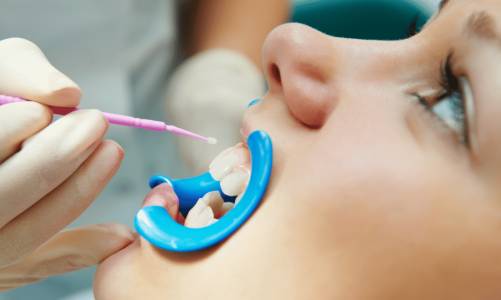
- Tooth Preparation: The surface of the tooth will be gently roughened using a mild etching solution. This creates a microscopic texture that helps the bonding material adhere securely. In some cases, a very thin layer of enamel may be removed, but often no anesthesia is required.
- Bonding Agent Application: A liquid bonding agent is applied to the etched tooth surface.
- Resin Application & Sculpting: The tooth-colored resin is then applied to the tooth. Your dentist will meticulously sculpt and mold the material into the desired shape, ensuring it harmonizes with your existing teeth.
- Curing: A specialized curing light (usually blue light) is used to harden the resin instantly.
- Finishing Touches: Once hardened, the bonded material is carefully trimmed, shaped, and polished to a smooth, natural-looking finish that matches the luster of your natural teeth.
Aftercare and Maintenance
To ensure your bonded teeth remain beautiful and long-lasting:
- Oral Hygiene: Maintain excellent oral hygiene with regular brushing (twice daily) and flossing (once daily).
- Avoid Stains: For the first 48 hours after bonding, avoid consuming highly pigmented foods and beverages (e.g., coffee, tea, red wine, berries, tobacco) to prevent staining.
- Avoid Hard Foods: Be cautious when biting into very hard foods (e.g., ice, hard candy, unpopped popcorn kernels) to prevent chipping the bonded material.
- Avoid Habits: Refrain from habits like nail-biting, chewing on pens, or using your teeth as tools, as these can damage the bonding.
- Regular Check-ups: Visit your dentist for routine check-ups and professional cleanings to monitor your bonding and overall oral health.
- Longevity: With proper care, dental bonding can last between 3 to 10 years before needing repair or replacement.
Achieve Your Dream Smile Today!
If you're ready to say goodbye to minor dental imperfections and embrace a brighter, more confident smile, dental bonding might be the perfect solution for you. It's a testament to how small changes can make a dramatic difference.
Disclaimer: Dental bonding is best suited for minor to moderate cosmetic issues and may not be appropriate for severe damage or extensive structural problems. A thorough consultation with your dentist is essential to determine if dental bonding is the right treatment option for your specific needs.