Description
Root Canal Treatment: Preserving Your Natural Smile, Relieving Your Pain
A root canal, also known as endodontic treatment, is a highly effective and common dental procedure designed to save a tooth that has been severely damaged by deep decay, trauma, cracks, or infection in its inner pulp. Our expert dental team utilizes advanced techniques and compassionate care to ensure a comfortable and successful treatment, restoring your oral health and preventing the need for extraction.
🌟 Key Features of Our Root Canal Treatment:
- Endodontic Expertise: Performed by skilled general dentists or experienced endodontists (root canal specialists), ensuring precise and effective care.
- Infection Eradication: Meticulous removal of infected and inflamed pulp tissue, bacteria, and debris from within the tooth's root canals.
- Pain Relief: Directly addresses the source of tooth pain, sensitivity, and discomfort, providing significant and lasting relief.
- Tooth Preservation: Saves your natural tooth from extraction, maintaining your natural bite and smile alignment.
- Advanced Technology: Utilization of modern diagnostic tools (digital X-rays), rotary instruments for efficient cleaning, and magnification for enhanced visibility.
- Biocompatible Sealing: Cleaned canals are filled and sealed with a rubber-like material called gutta-percha to prevent re-infection.
- Restorative Planning: Includes planning for a permanent restoration (typically a dental crown) to protect the treated tooth and restore its full function and aesthetics.
💡 Why Choose a Root Canal? The Benefits:
Choosing root canal treatment over extraction offers numerous advantages, ensuring the longevity of your oral health:
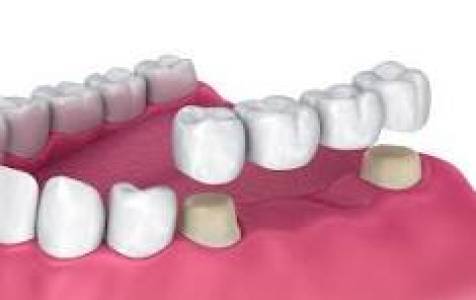
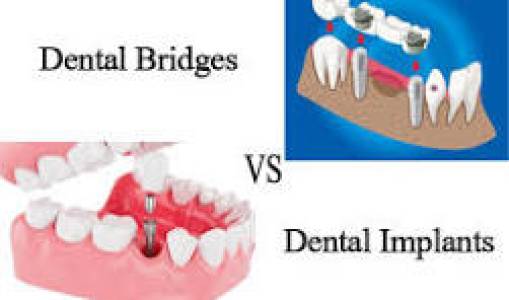
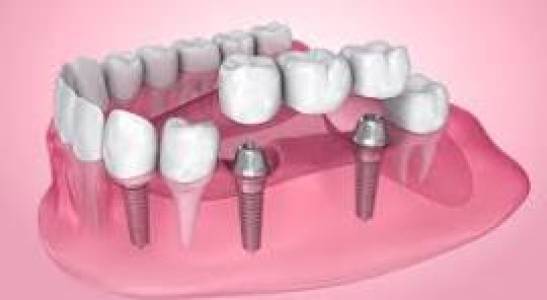
- Maintain Natural Teeth: Keep your original tooth, avoiding the need for more extensive and costly procedures like dental implants or bridges.
- Prevent Infection Spread: Stops the progression of infection to surrounding teeth, gums, and bone.
- Eliminate Chronic Pain: Provides effective relief from the persistent, throbbing pain and sensitivity associated with an infected tooth.
- Restore Chewing Efficiency: Allows you to chew comfortably and effectively on your natural tooth.
- Preserve Jawbone Structure: The presence of your natural tooth root helps maintain the integrity and density of your jawbone.
- Maintain Facial Aesthetics: Prevents the sunken appearance that can result from missing teeth.
- Cost-Effective Long-Term: Often a more economical long-term solution compared to extraction followed by prosthetic replacement.
🦷 Is a Root Canal Right for You? Indications:
You might be a candidate for root canal treatment if you experience any of the following symptoms or conditions:
- Persistent Tooth Pain: Especially when chewing or applying pressure, or a throbbing pain that keeps you awake at night.
- Prolonged Sensitivity: Extreme sensitivity to hot or cold temperatures, even after the source is removed.
- Swelling and Tenderness: In the surrounding gums, often accompanied by a small, pimple-like bump (fistula or abscess).
- Tooth Discoloration: A darkening or graying of the tooth.
- Deep Decay: Extensive cavities that have reached the tooth's pulp.
- Trauma: A chip, crack, or injury to the tooth that exposes the pulp or causes nerve damage.
🗓️ Our Root Canal Process: What to Expect
While the specifics may vary, a typical root canal treatment generally involves these key steps:
- Diagnosis: We'll perform a thorough examination, including digital X-rays, to accurately diagnose the problem and confirm the need for a root canal.
- Anesthesia: Local anesthetic is administered to numb the affected tooth and surrounding area, ensuring a completely pain-free procedure.
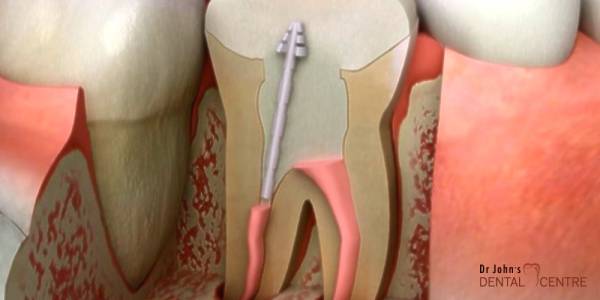
- Access Opening: A small opening is created in the crown of the tooth to access the infected pulp chamber and root canals.
- Cleaning and Shaping: Using specialized instruments, the infected pulp, bacteria, and nerve tissue are meticulously removed from the canals. The canals are then disinfected and shaped to prepare them for filling.
- Filling and Sealing: Once thoroughly cleaned, the canals are filled with a biocompatible, rubber-like material called gutta-percha and sealed to prevent re-infection.
- Temporary Restoration: A temporary filling is placed in the access opening to protect the tooth until your permanent restoration can be applied.
- Permanent Restoration (Crown): In most cases, a custom-fitted dental crown is highly recommended after a root canal. This crown protects the treated tooth from future fracture, restores its strength, and returns it to full function and natural appearance.
🩹 After Your Root Canal:
- Mild Discomfort: It's normal to experience some tenderness or sensitivity for a few days after the procedure, which can typically be managed with over-the-counter pain relievers.
- Avoid Chewing: Refrain from chewing on the treated tooth until your permanent crown or final restoration is placed to prevent damage.
- Oral Hygiene: Maintain excellent oral hygiene, brushing and flossing regularly.
- Follow-Up: Attend your scheduled appointment for the final restoration to ensure the long-term success and protection of your treated tooth.
📞 Ready to Relieve Your Pain and Save Your Tooth?
Don't let tooth pain compromise your health and quality of life. Contact us today for a consultation to determine if root canal treatment is the right solution for you. Our team is here to answer your questions and guide you through a comfortable and effective treatment experience.
[Call Now: (XXX) XXX-XXXX] [Schedule Online] [Visit Our Website for More Information]
Disclaimer: This product description provides general information and is not a substitute for professional dental advice. Always consult with a qualified dental professional to discuss your specific condition, treatment options, and any concerns you may have.