Description
Root Canal Treatment: Restore Health, Save Your Natural Tooth
Intense tooth pain, lingering sensitivity, or a persistent pimple on your gums can be alarming signs of an underlying dental issue. Often, these symptoms indicate a deep infection or damage to the pulp (the soft tissue inside your tooth containing nerves and blood vessels). Left untreated, this can lead to severe pain, abscess formation, and even tooth loss.
Root Canal Treatment (RCT), also known as endodontic treatment, is a highly effective and routine procedure designed to save a natural tooth that has become severely infected or damaged. Modern root canal therapy is virtually painless and incredibly successful, allowing you to preserve your smile and avoid more complex and costly alternatives like extraction and implants.
Why Choose Root Canal Treatment?
- Eliminate Pain & Discomfort: The primary goal and immediate benefit is to relieve the severe pain caused by the infected or inflamed pulp.
- Save Your Natural Tooth: RCT prevents the need for extraction, allowing you to keep your original tooth, which is always the best option for maintaining oral health and function.
- Prevent Further Infection Spread: By removing infected pulp, the procedure stops the spread of bacteria to other teeth, gums, and even into your jawbone.
- Restore Chewing & Biting Function: Once restored, the treated tooth can function normally, allowing you to eat your favorite foods without pain.
- Maintain Your Natural Smile: Keeping your natural tooth preserves your facial structure and aesthetics.
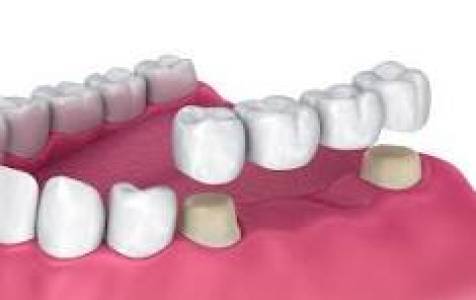
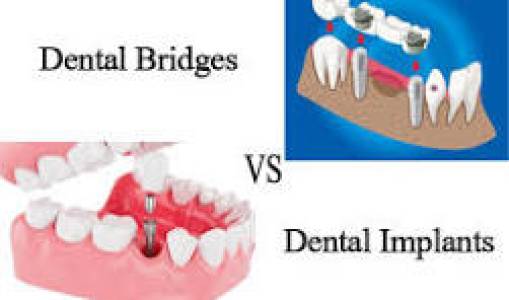
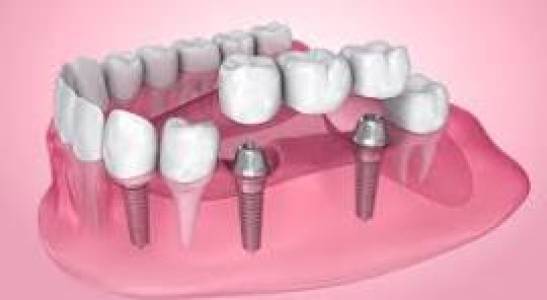
- Cost-Effective in the Long Run: Saving your natural tooth often proves more economical than extracting it and replacing it with a bridge, implant, or denture.
- High Success Rate: With proper care, a root canal-treated tooth can last a lifetime.
When is a Root Canal Needed?
You might need a root canal if you experience any of the following symptoms:
- Persistent Toothache: Ranging from mild sensitivity to severe, throbbing pain, especially when chewing or biting.
- Prolonged Sensitivity: Lingering pain after exposure to hot or cold temperatures, even after the source is removed.
- Swollen, Tender Gums: Near the affected tooth.
- A "Pimple" on the Gums (Fistula): This indicates an infection draining from the tooth.
- Darkening or Discoloration of the Tooth: A sign of internal damage or necrosis.
- Tenderness to Touch and Pressure: Even slight pressure can cause pain.
- Deep Decay or Trauma: A large cavity or a crack in the tooth that has reached the pulp chamber.
The Root Canal Procedure: Step-by-Step
Root canal treatment is typically completed in one or two appointments, depending on the complexity of the case and the extent of the infection.
- Diagnosis & Anesthesia:
- Your dentist will examine your tooth, take X-rays, and test its vitality to confirm the diagnosis.
- A local anesthetic is administered to numb the tooth and surrounding area, ensuring you are comfortable and feel no pain during the procedure.
- Access Opening:
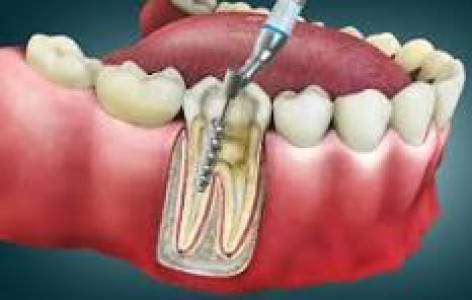
- A small opening is created through the crown of the tooth to access the pulp chamber and root canals.
- Cleaning & Shaping:
- Tiny instruments are used to carefully remove the infected or inflamed pulp tissue from the pulp chamber and root canals.
- The canals are thoroughly cleaned, disinfected, and shaped to prepare them for filling.
- Filling & Sealing:
- The cleaned and shaped canals are filled with a biocompatible material, usually a rubber-like compound called gutta-percha.
- A cement is used to seal the canals completely, preventing reinfection.
- Restoration:
- After the root canal is complete, the access opening is sealed with a temporary or permanent filling.
- In most cases, a dental crown is recommended and placed on the treated tooth. This provides essential protection, strengthens the tooth, and restores its full function and appearance, preventing future fractures.
What to Expect
- Before the Procedure: We'll conduct a thorough examination and discuss all aspects of the treatment with you, answering any questions you may have.
- During the Procedure: You'll be made comfortable with local anesthesia. Most patients report feeling only pressure, not pain, during the treatment.
- After the Procedure: It's normal to experience some mild sensitivity or soreness for a few days, especially if there was an infection. This can typically be managed with over-the-counter pain relievers. You'll receive detailed aftercare instructions to ensure a smooth recovery.
Your Comfort is Our Priority
We understand that dental procedures can cause anxiety. Our team is dedicated to providing a calm, supportive, and comfortable environment throughout your root canal treatment. We use advanced techniques and state-of-the-art equipment to ensure the most effective and gentle experience possible.
Don't Suffer in Silence!
If you're experiencing tooth pain or suspect you might need a root canal, don't delay treatment. Early intervention can prevent more serious complications and save your natural tooth.
Contact us today to schedule your consultation!
[Your Clinic Name] [Phone Number] [Website] [Address]
Disclaimer: This information is for general educational purposes only and does not constitute medical advice. Please consult with a qualified dental professional for personalized diagnosis and treatment recommendations.