Description
While Periodontitis isn't a "product" you can purchase, we can frame its description as an essential guide to understanding, identifying, and addressing this significant oral health condition. This description is aimed at educating and empowering individuals to take proactive steps for their health.
Periodontitis: The Advanced Stage of Gum Disease Threatening Your Oral Health and Beyond
Unmasking the Silent Destroyer of Gums and Bone
Periodontitis is a serious, progressive bacterial infection that goes beyond the surface of your gums, silently attacking the supporting structures of your teeth. Often an advanced stage of untreated gingivitis, it's a critical condition that can lead to irreversible damage, tooth loss, and has significant implications for your overall systemic health. Understanding Periodontitis is the first step towards preserving your smile and well-being.
Key "Features" & Characteristics
1. Progressive Bacterial Infection
- Mechanism: Starts with plaque buildup (a sticky film of bacteria) that hardens into calculus (tartar).
- Action: Bacteria colonize below the gum line, triggering an inflammatory response that damages gum tissue and creates "pockets" between teeth and gums.
2. Irreversible Tissue & Bone Damage
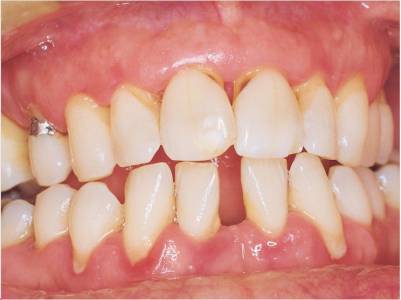
- Impact: Unlike gingivitis, periodontitis causes permanent destruction of the soft tissues and the alveolar bone that anchors your teeth.
- Outcome: Without intervention, this damage leads to receding gums, loosening of teeth, and ultimately, tooth loss.
3. Silent Progression
- Stealthy Nature: Often, early stages of periodontitis present with mild symptoms or no pain, making it easy to overlook.
- Danger: This silent progression allows the disease to advance significantly before noticeable discomfort or severe problems arise.
4. Beyond Oral Health
- Systemic Link: Periodontitis is increasingly linked to systemic health issues, including cardiovascular disease, diabetes, respiratory disease, certain cancers, and adverse pregnancy outcomes.
- Inflammation Spreads: The chronic inflammation and bacteria in the mouth can enter the bloodstream, affecting other parts of the body.
Identifying the "Product": Common Symptoms
Recognizing these signs is crucial for early intervention:
- Swollen, Red, or Tender Gums: Gums may appear puffy and dark red or purplish.
- Bleeding Gums: Gums bleed easily, especially during brushing or flossing.
- Persistent Bad Breath (Halitosis): Caused by bacteria accumulating in the mouth.
- Receding Gums: Gums pull away from the teeth, making teeth appear longer.
- Pus Between Teeth and Gums: A sign of active infection.
- Loose or Shifting Teeth: As bone support diminishes, teeth become unstable.
- Changes in Bite: How your teeth fit together when you bite may change.
- Pain When Chewing: Due to inflammation and instability of teeth.
"Specifications" & Contributing Factors
Primary Cause
- Bacterial Plaque: The accumulation of plaque and tartar on teeth and below the gum line.
Key Risk Factors
- Smoking/Vaping: Significantly increases the risk and severity, and hinders treatment success.
- Diabetes: Poorly controlled blood sugar levels can worsen gum disease.
- Hormonal Changes: During pregnancy, puberty, menopause, can make gums more sensitive.
- Genetics: Some individuals are more predisposed to periodontitis.
- Certain Medications: Some drugs can reduce saliva flow, making gums more vulnerable.
- Poor Nutrition: Particularly vitamin C deficiency.
- Stress: Can weaken the immune system.
- Compromised Immune System: Conditions like HIV/AIDS or treatments like chemotherapy.
"Stages" of Periodontitis
Understanding the progression helps in diagnosis and treatment planning:
- Gingivitis (Precursor): Inflammation of the gums, reversible with good oral hygiene.
- Mild Periodontitis: Early bone loss, gum pockets form, slight attachment loss.
- Moderate Periodontitis: More significant bone loss and attachment loss, deeper pockets, possible tooth mobility.
- Severe Periodontitis: Extensive bone and tissue destruction, deep pockets, severe tooth mobility, risk of tooth loss.
Why "Understand" Periodontitis? (Benefits of Awareness)
- Preserve Your Smile: Protect your natural teeth from irreversible damage and loss.
- Protect Your Overall Health: Reduce your risk for systemic diseases linked to oral inflammation.
- Prevent Pain & Discomfort: Address the root cause of gum sensitivity, bleeding, and chewing difficulties.
- Improve Quality of Life: Maintain your ability to eat, speak, and smile with confidence.
- Save Costs: Early intervention is always less expensive and less invasive than treating advanced disease.
"Diagnosis" & "Treatment"
Professional Diagnosis
- Dental Exam: Visual inspection of gums.
- Periodontal Probing: Measuring the depth of gum pockets around each tooth.
- Dental X-rays: To assess bone loss around the teeth.
Treatment Options
- Non-Surgical:
- Scaling and Root Planing: A deep cleaning procedure to remove plaque and tartar from above and below the gum line, and smooth root surfaces.
- Antibiotics: Oral or topical antibiotics to control bacterial infection.
- Surgical:
- Flap Surgery (Pocket Reduction Surgery): Gums are lifted back to remove tartar and reduce pocket depth.
- Bone Grafts: Using fragments of your own bone, synthetic bone, or donated bone to regenerate bone destroyed by periodontitis.
- Soft Tissue Grafts: To reinforce thin gums or fill in areas where gums have receded.
- Guided Tissue Regeneration: Using a small piece of mesh-like fabric to prevent soft tissue from growing into an area where bone should be, allowing bone and connective tissue to regenerate.
"Prevention" & Maintenance
- Excellent Oral Hygiene: Brush twice daily and floss daily to remove plaque.
- Regular Dental Check-ups: Professional cleanings and exams every 6-12 months, or more frequently if recommended by your dentist.
- Healthy Lifestyle: Eat a balanced diet, manage stress, and avoid tobacco products.
- Control Underlying Conditions: Effectively manage diabetes or other health issues that impact gum health.
Who is Periodontitis "For"? (Target Audience)
- Anyone experiencing symptoms like bleeding gums, bad breath, or loose teeth.
- Individuals with risk factors such as smoking, diabetes, or a family history of gum disease.
- Those committed to their long-term oral health and overall well-being.
- Anyone who has been diagnosed with gingivitis and wants to prevent its progression.
Don't ignore the warning signs!
If you suspect you have Periodontitis, or if it's been a while since your last dental check-up, schedule an appointment with your dentist or periodontist today. Early detection and intervention are crucial to saving your teeth and protecting your health.
Disclaimer: This information is for educational purposes only and should not be considered medical advice. Always consult with a qualified dental professional for diagnosis, treatment, and personalized recommendations regarding Periodontitis or any oral health concern.