Description
Here's a detailed product description for Dental Bridges, formatted using Markdown:
Restore Your Smile and Function with Dental Bridges
Missing teeth can significantly impact your confidence, speech, and ability to enjoy your favorite foods. At [Your Clinic Name], we offer high-quality Dental Bridges – a durable and aesthetically pleasing solution designed to seamlessly fill the gaps in your smile, restoring both beauty and function.
What Are Dental Bridges?
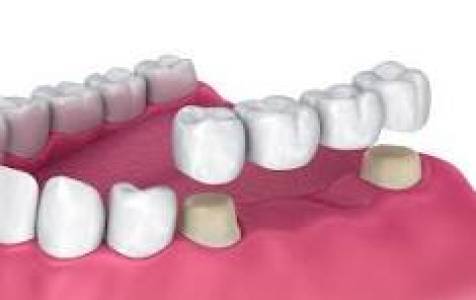
A dental bridge is a custom-made prosthetic device used to "bridge" the gap created by one or more missing teeth. It is composed of:
- Abutment Crowns: These are crowns placed on the natural teeth or dental implants on either side of the gap. These "anchor" teeth provide support for the bridge.
- Pontics: These are the false teeth that replace your missing teeth. They are custom-designed to match the color, shape, and size of your natural teeth, creating a continuous, natural-looking smile.
Typically made from porcelain, ceramic, or a combination of materials, dental bridges are meticulously crafted to blend seamlessly with your existing teeth, ensuring a natural appearance and a comfortable bite.
Why Choose a Dental Bridge?
Dental bridges offer a multitude of benefits for individuals with missing teeth:
- Enhanced Aesthetics: Restore the natural beauty of your smile and improve your facial symmetry.
- Improved Oral Function: Regain the ability to chew and speak clearly and comfortably.
- Prevent Tooth Shifting: Keep your remaining natural teeth from drifting out of position into the empty space.
- Distribute Bite Forces: Help to evenly distribute the forces in your bite, preventing excessive strain on your remaining teeth.
- Durability: With proper care, dental bridges can last for many years, providing a long-term solution.
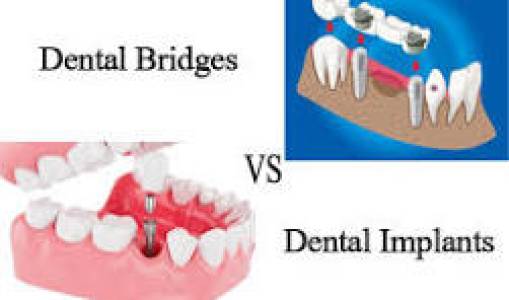
- Cost-Effective Solution: Often a more affordable option compared to dental implants for replacing single or multiple teeth.
Types of Dental Bridges
Depending on your specific needs, oral health, and the location of the missing teeth, we offer several types of dental bridges:
- 1. Traditional Bridge:
- The most common type.
- Consists of a pontic (false tooth) held in place by crowns cemented onto the abutment teeth on either side of the gap.
- Requires healthy, strong abutment teeth that can be prepared to support the crowns.
- 2. Cantilever Bridge:
- Used when there's only one natural tooth adjacent to the gap.
- The pontic is supported by a crown cemented onto a single abutment tooth.
- Generally recommended for areas of low bite stress, such as the front teeth, due to potential for leverage issues.
- 3. Maryland Bonded Bridge (Resin-Bonded Bridge):
- A more conservative option, often used for front teeth.
- Consists of a pontic with "wings" on either side that are bonded to the back surface of the adjacent natural teeth.
- Requires minimal preparation of the adjacent teeth.
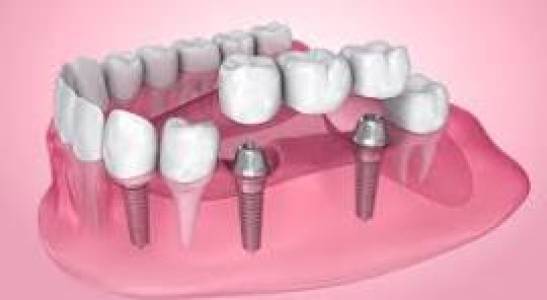
- 4. Implant-Supported Bridge:
- For multiple missing teeth when there are no suitable natural abutment teeth.
- Instead of relying on natural teeth, the bridge is anchored by dental implants surgically placed into the jawbone.
- Offers superior stability, preserves bone health, and does not involve preparing adjacent natural teeth.
The Dental Bridge Procedure
The process of getting a dental bridge typically involves two appointments:
- Initial Consultation & Preparation:
- Our dentist will conduct a comprehensive oral examination, take X-rays, and discuss your treatment goals.
- If a traditional or cantilever bridge is chosen, the abutment teeth will be carefully prepared (reshaped) to allow for the placement of crowns.
- Impressions (molds) of your teeth will be taken. These impressions are sent to a dental lab where your custom bridge will be fabricated.
- A temporary bridge will be placed to protect your prepared teeth and maintain your smile while your permanent bridge is being made.
- Final Bridge Placement:
- Once your custom bridge arrives from the lab (usually within 2-3 weeks), you'll return for your second appointment.
- The temporary bridge will be removed, and the permanent bridge will be carefully fitted and adjusted to ensure proper bite and comfort.
- Once you and your dentist are satisfied with the fit and appearance, the bridge will be permanently cemented into place.
Caring for Your Dental Bridge
With proper care, your dental bridge can last for 10-15 years, or even longer:
- Maintain Excellent Oral Hygiene: Brush twice daily and floss daily. Special bridge threaders or Super Floss can help you clean underneath the pontic(s).
- Regular Dental Check-ups: Continue with routine dental exams and professional cleanings to ensure the health of your abutment teeth and gums.
- Avoid Hard Foods: Be cautious with extremely hard or sticky foods that could potentially damage the bridge.
- Address Issues Promptly: If you experience any discomfort, sensitivity, or notice any changes in your bridge, contact us immediately.
Is a Dental Bridge Right for You?
The best way to determine if a dental bridge is the ideal solution for your unique needs is to schedule a comprehensive consultation with our experienced dental team at [Your Clinic Name]. We will:
- Assess your oral health.
- Discuss your aesthetic goals and functional needs.
- Explain all available tooth replacement options, including dental implants.
- Develop a personalized treatment plan tailored specifically for you.
Don't let missing teeth hold you back any longer. Contact [Your Clinic Name] today at [Phone Number] or visit our website at [Website Address] to schedule your consultation and take the first step towards a complete, confident smile!
Disclaimer: This product description provides general information about dental bridges. Individual results may vary. A personal consultation with a qualified dental professional is required to determine the most appropriate treatment plan for your specific dental needs.