Description
Comprehensive Root Canal Therapy
Are you experiencing severe tooth pain, sensitivity, or swelling? You might need a root canal, a highly effective and routine dental procedure designed to save your natural tooth and alleviate discomfort. At [Your Clinic Name/Practice Name], we specialize in modern, comfortable, and efficient root canal treatments, restoring your oral health and smile.
What is a Root Canal?
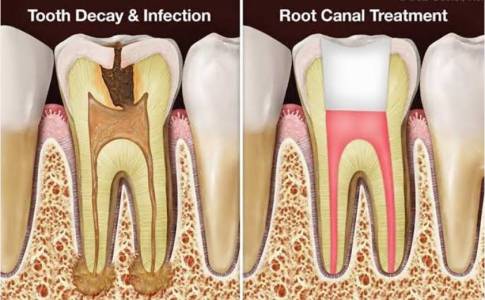
A root canal, also known as endodontic treatment, is a procedure that removes infected or damaged tissue (the pulp) from inside a tooth, cleans and disinfects the internal chamber, and then fills and seals it. This process prevents further infection and allows you to keep your natural tooth, avoiding extraction.
Why is a Root Canal Needed?
The pulp inside your tooth contains nerves, blood vessels, and connective tissue. When this pulp becomes inflamed or infected, it can cause significant pain and lead to more serious oral health issues. Common reasons for pulp infection or damage include:
- Deep Decay: Extensive cavities that reach the pulp chamber.
- Cracked or Chipped Tooth: Allowing bacteria to enter the pulp.
- Trauma to the Tooth: An injury, even without visible damage, can affect the pulp.
- Repeated Dental Procedures: On the same tooth.
Untreated infections can lead to:
- Pain and swelling that spreads to other areas of the face and neck.
- Bone loss around the tooth root.
- Formation of an abscess (a pus-filled pocket).
- Systemic health problems if the infection spreads.
Recognizing the Need: Symptoms
While only a dentist can definitively diagnose the need for a root canal, common symptoms include:
- Severe, persistent toothache that may worsen when chewing or applying pressure.
- Prolonged sensitivity to hot or cold temperatures, even after the source is removed.
- Tenderness or swelling in the surrounding gums.
- A small, pimple-like bump on the gums near the affected tooth (a fistula).
- Discoloration of the tooth (darkening).
The Benefits of Root Canal Treatment
Choosing a root canal offers numerous advantages:
- Pain Relief: Eliminates the source of your severe toothache.
- Saves Your Natural Tooth: Preserves your smile and prevents the need for extraction.
- Maintains Chewing Function: Allows you to continue eating your favorite foods without discomfort.
- Prevents Spread of Infection: Stops harmful bacteria from affecting adjacent teeth or other parts of your body.
- Cost-Effective Long-Term: Often less expensive than tooth extraction followed by a bridge or dental implant.
- Natural Appearance: The treated tooth, often topped with a crown, looks and functions just like your other teeth.
Our Root Canal Procedure: What to Expect
At [Your Clinic Name/Practice Name], your comfort and successful outcome are our top priorities. Here's a general overview of the root canal process:
- Diagnosis & Anesthesia:
- A thorough examination, including X-rays, will confirm the diagnosis.
- Local anesthesia will be administered to numb the affected tooth and surrounding area, ensuring a pain-free experience during the procedure.
- Isolation:
- A small protective sheet called a dental dam is placed over the tooth. This keeps the tooth clean and dry during the procedure and prevents bacteria from entering the treatment area.
- Access Opening:
- A small opening is created in the crown of the tooth to access the pulp chamber and root canals.
- Cleaning & Shaping:
- Tiny instruments are used to carefully remove the infected or inflamed pulp.
- The root canals are thoroughly cleaned, disinfected, and shaped to prepare them for filling.
- Filling & Sealing:
- The cleaned canals are filled with a biocompatible, rubber-like material called gutta-percha.
- A special adhesive cement is used to seal the canals completely, preventing re-infection.
- Temporary Restoration:
- A temporary filling is placed in the access opening to protect the tooth until your permanent restoration.
- Permanent Restoration (Crown):
- In most cases, a crown is recommended after a root canal to protect the treated tooth from fracture and restore its full function and appearance. This usually happens in a subsequent visit.
Is a Root Canal Painful? Addressing the Myth
One of the most common misconceptions about root canals is that they are painful. In reality, modern root canal treatments are designed to relieve pain, not cause it. With advanced techniques and effective local anesthesia, the procedure is often no more uncomfortable than having a routine filling. Post-procedure, you may experience some mild soreness, which can be managed with over-the-counter pain medication.
Aftercare and Recovery
Following your root canal, it's normal to experience some mild sensitivity or soreness for a few days. We will provide detailed aftercare instructions, which typically include:
- Avoiding chewing on the treated tooth until your permanent restoration (crown) is in place.
- Maintaining good oral hygiene with regular brushing and flossing.
- Taking prescribed or over-the-counter pain medication as directed.
- Attending your follow-up appointment for the permanent crown or filling.
Contact us immediately if you experience:
- Severe pain or swelling.
- Loss of your temporary filling.
- An allergic reaction to medication.
Alternatives to Root Canal Therapy
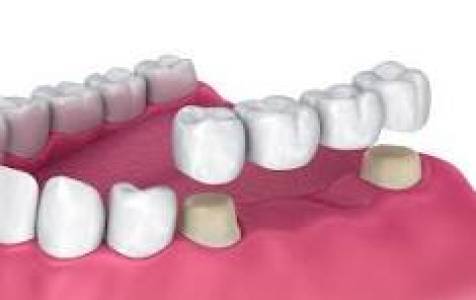
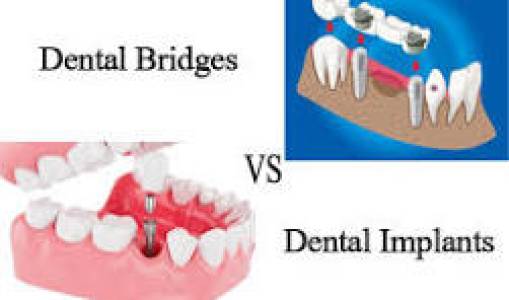
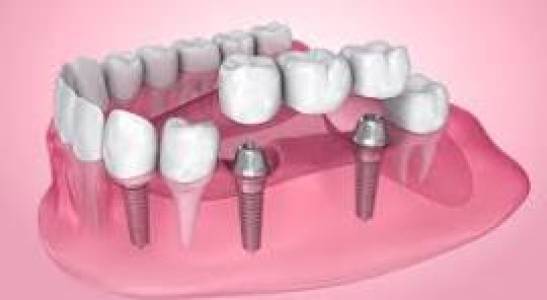
The primary alternative to a root canal is tooth extraction. While extraction removes the infected tooth, it creates a gap in your smile, which can lead to shifting of adjacent teeth, difficulty chewing, and further bone loss. Replacing an extracted tooth with a dental implant or bridge is often more complex and costly than saving your natural tooth with a root canal.
Why Choose [Your Clinic Name/Practice Name] for Your Root Canal?
- Experienced & Compassionate Team: Our endodontic specialists and dental team are highly trained in the latest root canal techniques, ensuring precise and gentle care.
- Advanced Technology: We utilize state-of-the-art equipment, including digital X-rays and specialized magnification tools, for accurate diagnosis and efficient treatment.
- Patient-Centered Approach: Your comfort and well-being are our priorities. We take the time to explain every step, answer your questions, and ensure a calm and reassuring environment.
- Effective Pain Management: We employ the latest anesthetic techniques to guarantee a pain-free procedure.
- Commitment to Your Health: We are dedicated to helping you preserve your natural teeth and achieve optimal oral health.
Schedule Your Consultation Today
Don't let dental pain dictate your life. If you suspect you may need a root canal or are experiencing any concerning symptoms, contact [Your Clinic Name/Practice Name] today to schedule a comprehensive consultation. Our team is ready to provide the gentle, effective care you deserve.
[Your Clinic Name/Practice Name] [Your Address] [Your Phone Number] [Your Website] [Your Email Address]
Serving [Your City/Region] and surrounding areas.