Description
Root Canal Therapy: Preserving Your Natural Smile and Eliminating Pain
What is Root Canal Therapy?
Root canal therapy, also known as endodontic treatment, is a highly effective and common dental procedure designed to save a tooth that has become severely infected or damaged. It involves removing the inflamed or infected pulp (the soft tissue inside your tooth containing nerves and blood vessels), cleaning and shaping the inside of the root canal system, and then filling and sealing it. The goal is to eliminate pain, stop the spread of infection, and save your natural tooth from extraction.
Why Might You Need Root Canal Therapy?
You might require a root canal if the pulp inside your tooth becomes inflamed or infected due to:
- Deep Decay: Untreated cavities reaching the pulp chamber.
- Cracked or Chipped Tooth: Exposing the pulp to bacteria.
- Trauma: A blow to the tooth, even without a visible chip or crack.
- Repeated Dental Procedures: On the same tooth.
- Severe Gum Disease: In rare cases, affecting the tooth's vitality.
Common Symptoms Include:
- Persistent, severe toothache (especially when chewing or applying pressure).
- Prolonged sensitivity to hot or cold temperatures (even after the source is removed).
- Discoloration or darkening of the tooth.
- Swelling and tenderness in the surrounding gums.
- A persistent or recurring "pimple" on the gums, indicating an abscess.
The Benefits of Choosing Root Canal Therapy
Opting for root canal treatment offers numerous advantages, primarily focused on preserving your oral health and comfort:
- Eliminates Pain: Effectively removes the source of your discomfort, providing immediate relief from severe toothache.
- Saves Your Natural Tooth: Prevents the need for extraction, preserving your natural bite and preventing adjacent teeth from shifting.
- Prevents Infection Spread: Stops bacteria from spreading to other teeth, your jawbone, or even other parts of your body.
- Restores Oral Health: Allows you to chew normally, speak clearly, and enjoy your favorite foods again.
- Aesthetically Pleasing: Once restored with a permanent crown or filling, the treated tooth looks and functions like your other natural teeth.
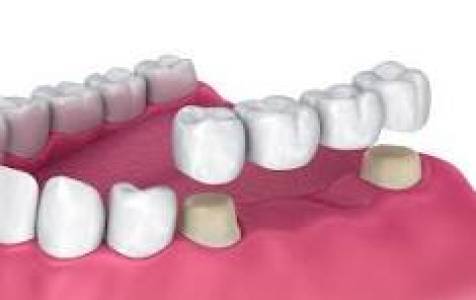
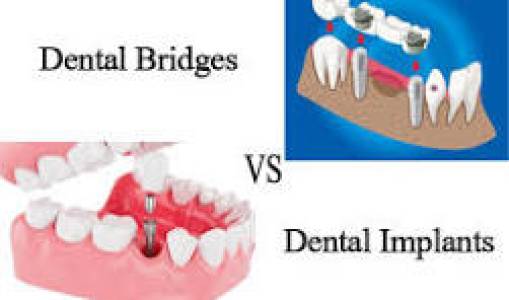
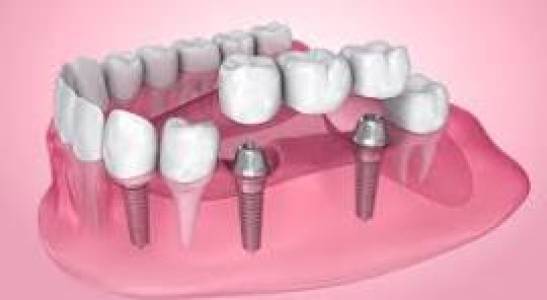
- Cost-Effective Long-Term: Saving your natural tooth is often more cost-effective than extraction followed by a bridge or dental implant.
What to Expect: The Root Canal Procedure
Modern root canal treatment is typically completed in one or two appointments and is often no more uncomfortable than having a filling, thanks to advanced techniques and local anesthesia.
- Diagnosis and Anesthesia: We begin with a thorough examination, digital X-rays, and possibly 3D imaging to accurately diagnose the extent of the infection. Local anesthetic is administered to numb the affected area completely, ensuring you feel no pain during the procedure.
- Isolation: A dental dam (a small sheet of latex or non-latex material) is placed around the tooth. This isolates the tooth, keeping it clean, dry, and free from saliva and bacteria during treatment.
- Access Opening: A small opening is carefully made in the crown of the tooth to gain access to the pulp chamber and root canals.
- Cleaning and Shaping: The infected or inflamed pulp is carefully removed using specialized, ultra-fine instruments. The root canals are then thoroughly cleaned, disinfected with antimicrobial solutions, and precisely shaped to prepare them for filling.
- Filling and Sealing: The cleaned and shaped canals are filled with a biocompatible, rubber-like material called gutta-percha, which is then sealed with an adhesive cement. This process prevents reinfection and future bacterial leakage.
- Temporary Restoration: A temporary filling is placed to protect the tooth until a permanent restoration can be applied.
- Permanent Restoration: In most cases, a permanent crown will be recommended shortly after the root canal to protect the treated tooth from fracture (as it becomes more brittle without its pulp) and restore its full function and natural appearance.
Advanced Techniques for Your Comfort
We utilize state-of-the-art technology to ensure precise, efficient, and comfortable treatment:
- Digital X-rays: Provide clear, immediate images with minimal radiation exposure.
- Operating Microscopes: Magnify the treatment area, allowing for unparalleled precision and visibility of the complex root canal anatomy.
- Rotary Endodontic Instruments: Flexible, motorized files that clean and shape the canals more efficiently and predictably than traditional hand files.
- Apex Locators: Electronic devices that accurately measure the length of the root canal, ensuring thorough cleaning and filling.
Post-Procedure Care and Recovery
After your root canal procedure, it's normal to experience some mild sensitivity or soreness for a few days, especially when chewing.
- Pain Management: Over-the-counter pain relievers (like ibuprofen or acetaminophen) can effectively manage any discomfort. We may also prescribe stronger medication if necessary.
- Avoid Chewing: Try to avoid chewing on the treated tooth until your permanent restoration (crown) is placed to prevent fracture of the weakened tooth.
- Oral Hygiene: Continue your regular brushing and flossing routine.
- Follow-up: We will schedule a follow-up appointment to monitor healing and to discuss the timely placement of your permanent crown or restoration.
Common Myths vs. Facts About Root Canals
Dispelling common misconceptions helps alleviate anxiety surrounding this vital procedure:
- Myth: Root canals are extremely painful.
- Fact: Thanks to modern anesthetics and advanced techniques, root canal treatment is often no more uncomfortable than getting a standard filling. The procedure relieves the severe pain caused by infection, it doesn't cause it.
- Myth: It's better to just extract a tooth.
- Fact: Saving your natural tooth whenever possible is always the best option. Extraction can lead to a cascade of problems, including shifting teeth, difficulty chewing, jawbone deterioration, and may require more expensive and complex treatments like dental implants or bridges down the line.
- Myth: Root canals cause illness.
- Fact: This outdated theory has been thoroughly debunked by scientific research. Root canal treatment is a safe and effective procedure that eliminates infection and helps maintain overall systemic health.
Don't Delay – Seek Treatment!
If you are experiencing symptoms of a tooth infection or have been told you need root canal therapy, please don't hesitate to contact us. Early intervention can prevent further complications, preserve your oral health, and help you return to a pain-free life. Our compassionate and experienced team is here to provide comfortable, high-quality care.
[Clinic Name/Practice Name] [Clinic Address] Phone: [Phone Number] Email: [Email Address] Website: [Website Link]
[Call to Action Button/Link: "Schedule Your Consultation Today"]