Description
Here is a detailed product description for a root canal in Markdown format, tailored to be informative and reassuring for potential patients.
Root Canal Treatment: Save Your Natural Smile & Eliminate Pain
Don't let tooth pain dictate your life. Discover the restorative power of modern root canal treatment – a highly effective procedure designed to save your natural tooth and restore your oral health.
What is a Root Canal?
A root canal, also known as endodontic treatment, is a specialized dental procedure designed to treat and save a tooth that has become severely damaged, infected, or inflamed. Inside each tooth, beneath the enamel and dentin, lies a soft tissue called the pulp. The pulp contains nerves, blood vessels, and connective tissue, and is vital during a tooth's development.
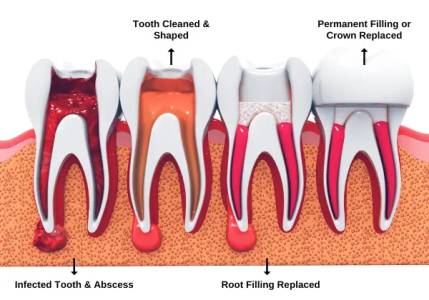
When the pulp becomes infected or inflamed due to deep decay, repeated dental procedures, cracks in the tooth, or trauma, a root canal is necessary. The procedure involves carefully removing the damaged pulp, thoroughly cleaning and disinfecting the inside of the tooth (including the root canals), and then filling and sealing it to prevent future infection.
The primary goal of a root canal is to save your natural tooth, eliminating pain and preserving its function, rather than resorting to extraction.
Who Needs Root Canal Treatment? (Indications)
You might be a candidate for a root canal if you experience any of the following symptoms or conditions:
- Severe Toothache: Persistent pain, especially when chewing or applying pressure.
- Prolonged Sensitivity: Lingering sensitivity to hot or cold temperatures, even after the source is removed.
- Swelling: Swelling or tenderness in the gums surrounding the affected tooth.
- Pimple-like Bump: A recurring "pimple" or lesion on the gums (fistula), which may indicate an infection draining from the tooth.
- Tooth Discoloration: Darkening or blackening of the tooth.
- Pain Radiating to Jaw/Head: Unexplained pain that spreads from the tooth to your jaw, ear, or head.
- Deep Cavity or Trauma: An X-ray might reveal an infection at the bone surrounding the tooth root, even if you don't feel significant pain yet.
Unlocking the Benefits: Why Choose a Root Canal?
Opting for root canal treatment offers a multitude of significant advantages for your oral health and overall well-being:
- Pain Relief: Effectively eliminates the source of your severe tooth pain and discomfort.
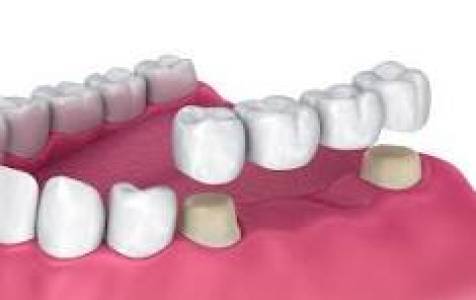
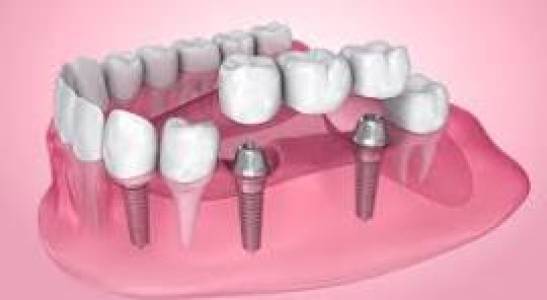
- Saves Your Natural Tooth: Preserves your original tooth, preventing the need for extraction and the subsequent complications (e.g., shifting teeth, bone loss, need for bridges or implants).
- Maintains Oral Function: Allows you to continue eating, speaking, and chewing normally without limitations.
- Prevents Spread of Infection: Stops the infection from spreading to other teeth, gums, or into your jawbone and bloodstream.
- Cost-Effective in the Long Run: Often more economical over time than extracting a tooth and replacing it with a dental implant or bridge.
- Aesthetically Pleasing: Once restored (usually with a crown), the treated tooth looks and functions like any other tooth, maintaining your natural smile.
- High Success Rate: With modern techniques and materials, root canal treatments have a very high success rate, often lasting a lifetime with proper care.
The Procedure: What to Expect Step-by-Step
Modern root canal therapy is a routine procedure, often completed in one or two appointments. Thanks to advanced techniques and effective local anesthesia, it is surprisingly comfortable and virtually pain-free.
- Diagnosis & Anesthesia: Your dentist or endodontist will take X-rays and conduct a thorough examination to confirm the diagnosis. Local anesthetic is then administered to numb the affected tooth and surrounding area, ensuring your comfort throughout the procedure.
- Access Opening: A small opening is made in the crown of the tooth (the top part visible in your mouth) to gain access to the pulp chamber and root canals.
- Cleaning & Shaping: Using tiny, flexible instruments, the infected or inflamed pulp is carefully removed from the pulp chamber and root canals. The canals are then meticulously cleaned, disinfected, and shaped to prepare them for filling.
- Filling & Sealing: The cleaned and disinfected canals are filled with a biocompatible, rubber-like material called gutta-percha. A sealer paste is often used in conjunction with gutta-percha to ensure a complete seal, preventing re-infection.
- Temporary Restoration: A temporary filling is placed in the access opening to protect the tooth until the final restoration.
- Permanent Restoration (Crown): In most cases, a permanent crown or other restorative filling is placed on the treated tooth during a follow-up visit. This final restoration is crucial for protecting the tooth from fracture, restoring its full function, and ensuring its long-term success.
After Your Root Canal Treatment
It's normal to experience some mild sensitivity or discomfort for a few days after the procedure, especially while the healing process begins. This can typically be managed effectively with over-the-counter pain medication.
Important: It is crucial to follow up with your dentist to get the permanent crown or restoration placed as recommended. Neglecting this step can leave the tooth vulnerable to fracture or reinfection, compromising the success of your root canal.
With proper oral hygiene, including regular brushing, flossing, and routine dental check-ups, your treated tooth can last a lifetime, functioning just like any other tooth in your mouth.
Ready to Relieve Your Pain & Save Your Tooth?
If you are experiencing any symptoms of an infected or damaged tooth, don't delay seeking professional help. Early intervention can prevent further complications and ensure the best possible outcome.
Contact us today to schedule a consultation. Our compassionate and experienced dental team is here to assess your needs, answer all your questions, and provide the highest standard of care to restore your comfort and confidence.
- [Call Now: (XXX) XXX-XXXX]
- [Schedule Online Here]
- [Visit Our Website for More Information]