Description
Here's a detailed product description for a root canal, formatted in Markdown:
Root Canal Therapy: Preserve Your Smile, Eliminate Pain
Gentle, Effective, Tooth-Saving Care
Are you experiencing persistent tooth pain, sensitivity, or swelling? Don't let dental discomfort dictate your life. Our Root Canal Therapy offers a highly effective and comfortable solution to eliminate infection, relieve pain, and save your natural tooth from extraction.
Root canal treatment, also known as endodontic therapy, is a sophisticated procedure designed to treat infection or inflammation in the dental pulp – the soft tissue inside your tooth containing nerves, blood vessels, and connective tissue. When this pulp becomes infected due to deep decay, repeated dental procedures, cracks, or trauma, it can cause significant pain and lead to serious health complications if left untreated.
At [Your Dental Practice Name], we combine advanced technology with a compassionate approach to ensure your root canal experience is as stress-free and comfortable as possible, restoring your oral health and preserving your natural smile.
Why Choose Root Canal Therapy?
Beyond immediate pain relief, a root canal offers numerous long-term benefits:
- Eliminates Pain & Infection: Directly addresses the source of your discomfort, eradicating bacteria and preventing further spread.
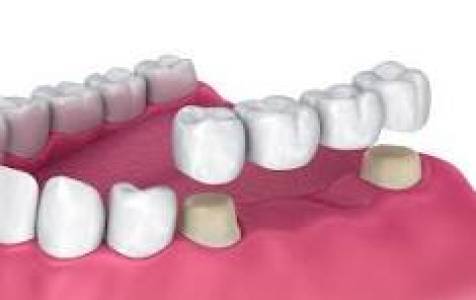
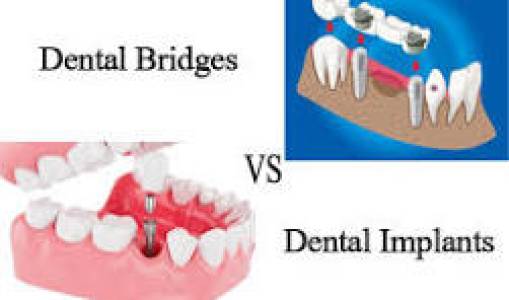
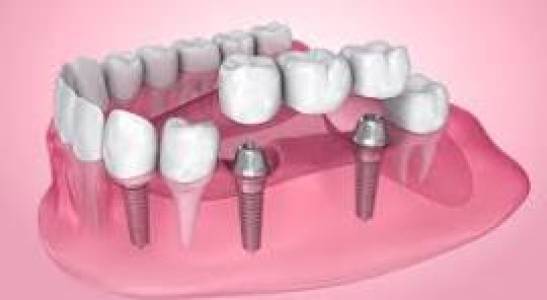
- Saves Your Natural Tooth: Avoids the need for extraction, which can lead to shifting teeth, difficulty chewing, and the need for more complex and costly replacements like implants or bridges.
- Restores Chewing Function: Once treated and restored, your tooth can function normally for biting and chewing.
- Maintains Natural Appearance: Preserves the aesthetic integrity of your smile.
- Prevents Spread of Infection: Stops the infection from spreading to other teeth, gums, or even into your bloodstream.
- Cost-Effective in the Long Run: Often less expensive than extracting a tooth and replacing it with an artificial one.
Do You Need a Root Canal? (Indications)
You might be a candidate for root canal therapy if you experience any of the following symptoms:
- Severe Toothache: Persistent, throbbing pain that doesn't go away, often worsening when lying down.
- Prolonged Sensitivity: Lingering sensitivity to hot or cold temperatures, even after the stimulus is removed.
- Tenderness to Touch and Chewing: Pain when biting down or touching the affected tooth.
- Pimples on the Gums (Fistula): A small, tender bump on the gums near the affected tooth, which may intermittently release pus.
- Swelling: Swelling and tenderness in the surrounding gums, cheek, or face.
- Tooth Discoloration: Darkening of the tooth, indicating a dying pulp.
- Deep Decay or Injury: Visible damage, a crack, or a deep cavity extending to the pulp.
The Root Canal Procedure: Step-by-Step
Our modern approach ensures a comfortable and efficient experience:
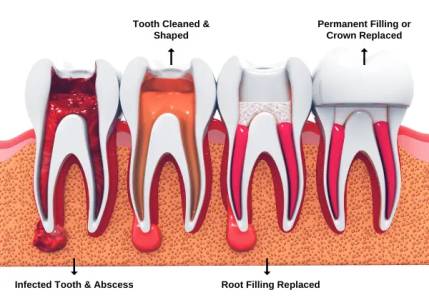
- Diagnosis & Anesthesia: We begin with a thorough examination, including digital X-rays, to accurately diagnose the problem. Local anesthesia will be administered to completely numb the area, ensuring you feel no pain during the procedure. Sedation options are also available for anxious patients.
- Access Opening: A small opening is made on the crown of the tooth to access the infected pulp chamber and root canals.
- Pulp Removal & Cleaning: Using specialized, tiny instruments (endodontic files) and irrigating solutions, the infected or inflamed pulp is carefully removed from the pulp chamber and root canals.
- Shaping & Disinfection: The root canals are meticulously cleaned, shaped, and disinfected to remove any remaining bacteria and prepare them for filling.
- Filling & Sealing: The cleaned and shaped canals are then filled with a biocompatible, rubber-like material called gutta-percha, along with an adhesive cement, to ensure a complete and watertight seal. This prevents future infection.
- Temporary Filling: A temporary filling is placed in the access opening to protect the tooth until the final restoration.
- Final Restoration (Crown): In most cases, a dental crown is highly recommended after a root canal. This permanent restoration protects the treated tooth from fracture, restores its full strength, and ensures its longevity. We will discuss your crown options during your visit.
What to Expect
- During the Procedure: You will be completely numb and should not feel any pain, only perhaps some pressure. Many patients describe it as being similar to a routine filling.
- After the Procedure: It's normal to experience some mild tenderness or soreness for a few days, especially when chewing, as your body heals. This can usually be managed with over-the-counter pain relievers.
- Recovery: We will provide specific aftercare instructions. It's important to avoid chewing on the treated tooth until your permanent crown or restoration is placed.
Our Commitment to Your Comfort
At [Your Dental Practice Name], your comfort is our priority. We utilize:
- Advanced Imaging: Digital X-rays for precise diagnosis with minimal radiation.
- Rotary Endodontics: State-of-the-art electric handpieces for efficient and precise canal cleaning.
- Apex Locators: Electronic devices to accurately determine the length of the root canals, ensuring thorough treatment.
- Pain Management: Effective local anesthesia and optional sedation methods (e.g., nitrous oxide, oral sedation).
- Experienced Team: Our skilled dentists and support staff are dedicated to providing gentle, expert care.
Don't Let Pain Linger!
If you suspect you need a root canal or are experiencing dental pain, don't delay treatment. Ignoring symptoms can lead to more serious problems, including severe infection, bone loss, and tooth extraction.
Contact [Your Dental Practice Name] today to schedule a consultation. Let us help you eliminate pain, save your natural tooth, and restore your healthy, confident smile.
Disclaimer: This description provides general information about root canal therapy. The specific details and recommendations for your treatment will be determined after a thorough examination and consultation with a qualified dental professional at [Your Dental Practice Name].