Description
Conventional Metal Braces: Your Path to a Straighter, Healthier Smile
Dreaming of a perfectly aligned smile? Conventional Metal Braces offer a time-tested, highly effective solution for achieving the smile you've always wanted. For decades, they have been the gold standard in orthodontic treatment, trusted by millions to correct a wide range of dental irregularities and improve oral health.
What Are Conventional Metal Braces?
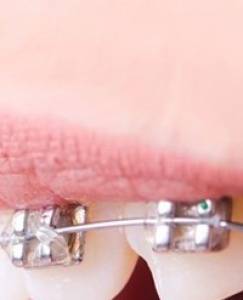
Conventional metal braces consist of high-grade stainless steel brackets bonded to each individual tooth, connected by a thin, flexible archwire that applies gentle, continuous pressure. Small elastic bands, known as ligatures (or "o-rings"), or a self-ligating mechanism, hold the archwire firmly in place within each bracket, systematically guiding your teeth into their ideal positions over time.
How They Work
The principle behind metal braces is simple yet powerful:
- Precise Placement: Your orthodontist strategically bonds brackets to the front surface of your teeth.
- Archwire Activation: A custom-bent archwire is threaded through the brackets. This wire is the primary force generator, designed to exert constant, gentle pressure on your teeth.
- Controlled Movement: Over time, this consistent pressure encourages a natural biological process called bone remodeling. The bone on one side of the tooth breaks down, allowing the tooth to move, while new bone forms on the other side, stabilizing its new position.
- Regular Adjustments: During routine appointments (typically every 4-8 weeks), your orthodontist will adjust or replace the archwire, tighten ligatures, or introduce additional components like elastic bands. These adjustments maintain the necessary pressure to keep your teeth moving steadily towards their optimal alignment.
Key Features & Components
- High-Grade Stainless Steel Brackets: Small, durable, and engineered for maximum strength and efficiency. Modern brackets are significantly smaller and more comfortable than those of the past.
- Archwire: The central component that applies the correctional force. Made from advanced nickel-titanium or stainless steel alloys, designed to gradually guide teeth.
- Elastic Ligatures (O-rings): Small, colorful rubber bands that secure the archwire to the brackets. Available in a wide variety of colors, allowing for personalization.
- Molar Bands (Optional): Metal rings placed around the back molars for added anchorage and stability, particularly in cases requiring significant force.
- Elastics / Rubber Bands: Worn between upper and lower teeth to correct bite issues (e.g., overbite, underbite, crossbite) by applying inter-arch forces.
Unrivaled Benefits of Conventional Metal Braces
- Proven Effectiveness: With decades of successful treatments, metal braces are the most robust and reliable option for correcting a comprehensive range of orthodontic issues, including severe crowding, spacing, complex bite problems, and rotations.
- Durability & Strength: Constructed from high-quality stainless steel, they are exceptionally strong and resistant to breakage, making them a reliable choice for active individuals.
- Cost-Effective: Often the most affordable orthodontic treatment option, making a beautiful smile accessible to more patients.
- Versatility: Suitable for patients of all ages – children, teenagers, and adults – and effective for almost any type of malocclusion.
- Predictable Results: The mechanics are well-understood, leading to highly predictable and successful treatment outcomes.
- Personalization: Patients, especially younger ones, often enjoy customizing their look with various ligature colors at each adjustment appointment.
Who Can Benefit from Metal Braces?
- Children & Teens: The most common demographic, as their jaws are still developing, making tooth movement highly efficient.
- Adults: It's never too late to achieve a straighter smile! Metal braces are a highly effective option for adults seeking to improve their oral health and aesthetics.
- Complex Cases: Individuals with severe crowding, significant bite discrepancies, impacted teeth, or other challenging orthodontic issues often find metal braces to be the most effective solution.
What to Expect During Treatment
- Initial Adjustment: Expect some mild soreness and discomfort for a few days after initial placement and after each adjustment as your teeth begin to shift. Over-the-counter pain relievers can help manage this.
- Oral Hygiene: Maintaining excellent oral hygiene is crucial. You'll need to learn specialized brushing and flossing techniques (e.g., using floss threaders, interdental brushes, or a water flosser) to clean around brackets and wires effectively.
- Dietary Considerations: You'll need to avoid certain foods that can damage your braces, such as sticky candies, hard nuts, popcorn, and chewy items.
- Regular Appointments: Routine visits to your orthodontist are essential for adjustments and monitoring progress, typically every 4-8 weeks.
- Amazing Results: With diligent care and adherence to your orthodontist's instructions, you will witness a gradual, transformative improvement in your smile and bite.
Care & Maintenance
- Brush Thoroughly: Brush after every meal, paying extra attention to cleaning above, below, and around each bracket.
- Floss Daily: Use floss threaders or special orthodontic floss to clean between your teeth and under the archwire.
- Avoid Damaging Foods: Protect your braces by steering clear of hard, sticky, or chewy foods.
- Wear Elastics as Directed: If prescribed, consistent wear of rubber bands is critical for bite correction.
- Regular Dental Check-ups: Continue with your general dentist for routine cleanings and check-ups.
Ready for a Straighter Smile?
Take the first step towards your dream smile today! Contact [Your Clinic Name/Website/Phone Number] to schedule your comprehensive orthodontic consultation. Our experienced team will assess your unique needs, discuss your treatment goals, and determine if Conventional Metal Braces are the right solution for you.
Please Note: The information provided here is for general educational purposes only and does not constitute medical advice. A personalized consultation with a qualified orthodontist is essential to determine the most appropriate treatment plan for your specific dental needs.