Description
Comprehensive Root Canal Therapy: Save Your Natural Tooth & Eliminate Pain
Welcome to a Future Free from Dental Pain!
Are you experiencing persistent tooth pain, sensitivity, or swelling? Don't let dental discomfort dictate your life. Our advanced Root Canal Therapy (RCT) is a highly effective procedure designed to save your natural tooth, eliminate infection, and restore your oral health, allowing you to chew, speak, and smile with confidence again.
Often misunderstood, a root canal is not about causing pain, but about relieving it and preventing more serious complications like tooth loss.
Key Benefits of Choosing Root Canal Therapy:
- Eliminate Pain: Directly addresses and resolves the source of severe toothache, sensitivity, and discomfort.
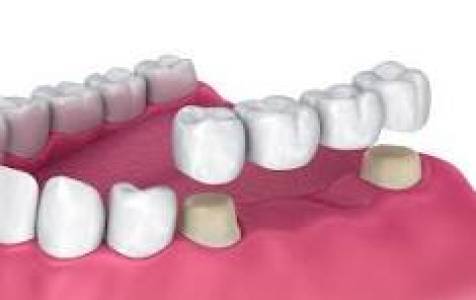
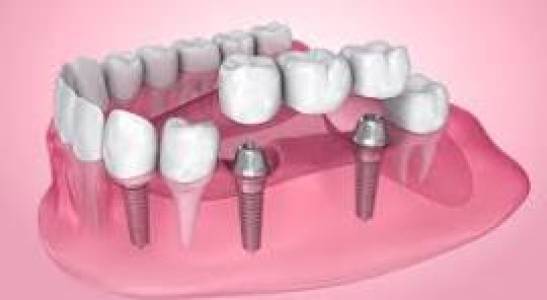
- Preserve Your Natural Tooth: Avoids the need for extraction, which can lead to shifting teeth, bone loss, and more complex, costly replacements like bridges or implants.
- Prevent Further Infection: Stops the spread of bacteria to other teeth, gums, and even into your bloodstream, protecting your overall health.
- Restore Oral Health & Function: Allows you to chew normally, speak clearly, and maintain the natural aesthetics of your smile.
- Cost-Effective Long-Term Solution: Often more affordable in the long run than extracting a tooth and replacing it with an artificial alternative.
- Maintain Facial Structure: Preserving your natural tooth helps maintain the integrity of your jawbone and facial contours.
What is Root Canal Therapy?
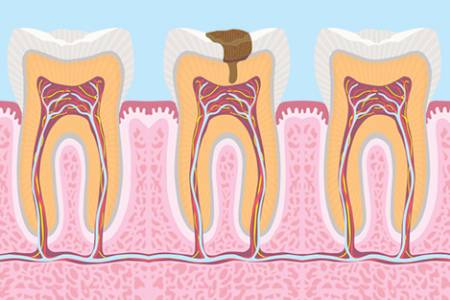
At the core of every tooth lies the dental pulp – a soft tissue containing nerves, blood vessels, and connective tissue. When this pulp becomes infected or inflamed due to deep decay, repeated dental procedures, cracks, or trauma, it can cause excruciating pain and jeopardize the entire tooth.
Root Canal Therapy involves carefully:
- Removing the damaged or infected pulp.
- Cleaning and shaping the inside of the root canal system.
- Filling and sealing the cleaned space with a biocompatible material (gutta-percha) to prevent re-infection.
Finally, the tooth is restored with a permanent filling or a dental crown to protect it and return it to full function.
Signs You May Need Root Canal Therapy:
It's crucial to seek professional evaluation if you experience any of the following symptoms:
- Persistent, severe toothache that may radiate to your jaw, ear, or head.
- Prolonged sensitivity to hot or cold temperatures, even after the stimulus is removed.
- Swelling and tenderness in the surrounding gums, face, or neck.
- A "pimple" or lesion on the gums near the affected tooth, which may indicate a draining abscess.
- Darkening or discoloration of the tooth.
- Pain when chewing or applying pressure to the tooth.
Our Advanced Root Canal Procedure:
We utilize state-of-the-art technology and techniques to ensure your root canal procedure is efficient, comfortable, and successful.
- Diagnosis & Anesthesia: We begin with a thorough examination, including digital X-rays, to accurately diagnose the problem. Local anesthesia ensures you feel no pain during the procedure. Sedation options are also available for anxious patients.
- Access & Isolation: A small opening is made in the crown of the tooth to access the pulp chamber. A rubber dam is placed around the tooth to keep it dry and free from contamination.
- Cleaning & Shaping: Using specialized instruments (often rotary files), the infected or inflamed pulp is carefully removed from the pulp chamber and root canals. The canals are then cleaned, disinfected, and shaped to prepare them for filling.
- Filling & Sealing: The cleaned and shaped canals are filled with gutta-percha, a rubber-like material, and sealed with an adhesive cement to prevent bacteria from re-entering.
- Restoration: A temporary filling is placed in the access opening. In most cases, a permanent crown or other restoration will be recommended and placed during a subsequent visit to protect the treated tooth from fracture and restore its full function and appearance.
What to Expect:
- Before: A comprehensive consultation, X-rays, and discussion of your treatment plan and sedation options.
- During: Thanks to modern anesthesia, the procedure is typically no more uncomfortable than a routine filling. You may feel pressure but no sharp pain.
- After: Mild sensitivity or soreness for a few days, which can be managed with over-the-counter pain medication. We provide detailed aftercare instructions to ensure a smooth recovery.
Why Choose [Your Clinic Name/Our Practice] for Your Root Canal?
- Experienced Endodontists & Dentists: Our team comprises highly trained and experienced professionals specializing in root canal therapy, ensuring precise and effective treatment.
- State-of-the-Art Technology: We employ advanced equipment like digital X-rays, surgical microscopes, and rotary instruments for enhanced precision, safety, and comfort.
- Patient-Centered Comfort: We prioritize your comfort with amenities, compassionate care, and sedation options to make your experience as stress-free as possible.
- Comprehensive Care: From accurate diagnosis to expert treatment and final restoration, we provide a seamless and integrated approach to your dental health.
- Sterilization Excellence: We adhere to the highest standards of sterilization and infection control for your safety.
Dispelling Common Root Canal Myths:
- Myth: Root canals are extremely painful. Fact: With modern anesthetics and techniques, root canal treatment is typically no more painful than getting a cavity filled. In fact, it relieves the pain caused by the infection.
- Myth: Root canals cause illness. Fact: This outdated theory has been thoroughly debunked. There is no scientific evidence linking root canal therapy to other diseases in the body.
- Myth: It's better to just extract the tooth. Fact: Saving your natural tooth is almost always the best option. Nothing can fully replicate the function and aesthetics of your own teeth. Extraction leads to additional costs and potential complications down the line.
Don't Let Tooth Pain Control Your Life Any Longer.
If you're experiencing symptoms that suggest you might need a root canal, don't delay. Early intervention can prevent further complications and save your tooth.
Contact [Your Clinic Name] today to schedule a consultation and take the first step towards a healthy, pain-free smile!
- [Phone Number]
- [Email Address]
- [Website Link]
- [Clinic Address]
Disclaimer: This information is for general educational purposes only and does not constitute medical advice. Always consult with a qualified dental professional for diagnosis and treatment of any dental condition. Individual results may vary.