Description
Here's a detailed product description for "Extractions & Wisdom Teeth" in Markdown format, suitable for a dental clinic's website or brochure.
Expert Extractions & Wisdom Teeth Removal: Gentle Care for Your Oral Health
Are you experiencing persistent tooth pain, overcrowding, an infected tooth, or discomfort from erupting wisdom teeth? At [Your Clinic Name], we understand that the prospect of tooth extraction can be daunting. Our dedicated team provides compassionate, efficient, and safe tooth extraction services, including specialized wisdom teeth removal, to alleviate your pain and protect your long-term oral health.
Why Choose [Your Clinic Name] for Extractions?
- Experienced Professionals: Our skilled dentists and oral surgeons have extensive experience in performing a wide range of extractions, from simple to complex.
- Patient Comfort is Our Priority: We offer various sedation options to ensure a calm, pain-free, and comfortable experience for every patient.
- Advanced Technology: Utilizing state-of-the-art diagnostic tools and surgical techniques for precise and efficient procedures.
- Personalized Care: Each treatment plan is tailored to your unique needs, ensuring the best possible outcome and recovery.
- Comprehensive Aftercare: We provide clear, detailed post-procedure instructions and support to promote quick and comfortable healing.
Understanding Tooth Extractions
A tooth extraction is the removal of a tooth from its socket in the bone. While our primary goal is always to preserve your natural teeth, extraction sometimes becomes necessary to maintain overall oral health and prevent further complications.
When Might You Need an Extraction?
- Severe Decay: When a tooth is too extensively damaged by decay to be restored with a filling, crown, or root canal.
- Advanced Periodontal Disease: Gum disease that has loosened the tooth's supporting bone and tissues beyond repair.
- Trauma or Injury: A tooth that has been severely fractured or damaged in an accident.
- Overcrowding: To prepare for orthodontic treatment (braces) when there isn't enough space for all teeth to align properly.
- Impacted Teeth: Teeth that are unable to fully erupt into the mouth (most commonly wisdom teeth).
- Infection Risk: If a tooth's infection could compromise your overall health, especially for patients with weakened immune systems or undergoing certain medical treatments.
Wisdom Teeth: When Removal Becomes Essential
Wisdom teeth (third molars) are the last teeth to erupt, typically between the ages of 17 and 25. Often, there isn't enough room in the jaw for these teeth to emerge properly, leading to a variety of painful and problematic issues.
Common Wisdom Tooth Problems:
- Impaction: The tooth gets trapped beneath the gum line or against another tooth, unable to fully erupt. This can lead to pain, swelling, and infection.
- Pain and Discomfort: As wisdom teeth try to erupt, they can cause significant pain, tenderness, or pressure in the back of the mouth.
- Infection (Pericoronitis): When a wisdom tooth partially erupts, food particles and bacteria can get trapped under the gum flap, leading to inflammation and infection.
- Damage to Adjacent Teeth: An impacted wisdom tooth can push against the neighboring molar, increasing the risk of decay, gum disease, or structural damage to that tooth.
- Cysts or Tumors: In rare cases, a fluid-filled sac (cyst) or tumor can form around an impacted wisdom tooth, potentially damaging bone and surrounding tissues.
- Crowding: If the wisdom teeth attempt to erupt in an already crowded mouth, they can shift other teeth, undoing previous orthodontic work.
Our Approach to Your Comfort: Sedation Options
Your comfort is paramount. We offer several sedation options to ensure your extraction procedure is as relaxed and pain-free as possible:
- Local Anesthesia: Numbing the extraction site, so you feel no pain during the procedure, remaining fully awake.
- Nitrous Oxide (Laughing Gas): A mild sedative that helps you relax, administered through a mask. It wears off quickly after the procedure.
- Oral Sedation: Medication taken before your appointment to help you feel deeply relaxed and drowsy throughout the procedure.
- IV Sedation: Administered intravenously, this option provides a deeper state of relaxation, often making you feel like you slept through the procedure.
We will discuss which sedation method is best suited for your specific needs during your consultation.
The Extraction Process at [Your Clinic Name]
- Comprehensive Consultation:
- We begin with a thorough examination, including digital X-rays and potentially 3D scans, to assess the tooth's position, root structure, and proximity to nerves or sinuses.
- We'll discuss your medical history, any concerns, and answer all your questions.
- A personalized treatment plan will be developed, outlining the procedure, sedation options, and estimated recovery.
- The Procedure:
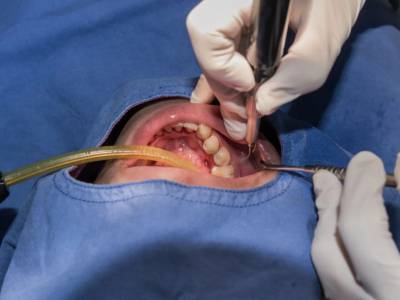
- Once you are comfortable and the area is numbed (or you are sedated), your dentist or oral surgeon will gently and expertly remove the tooth.
- For impacted wisdom teeth or more complex extractions, a small incision in the gum tissue may be made, and the tooth might be sectioned into smaller pieces for easier removal.
- After removal, the site is carefully cleaned, and stitches may be placed to aid healing.
- Post-Procedure & Aftercare:
- We'll provide you with detailed verbal and written aftercare instructions, including information on pain management, diet, oral hygiene, and signs of complications.
- A follow-up appointment will be scheduled to monitor your healing process and remove stitches if necessary.
Recovery & Healing
Proper aftercare is crucial for a smooth and quick recovery. You can expect some swelling and discomfort for a few days following the extraction.
Key Recovery Tips:
- Rest: Get plenty of rest and avoid strenuous activities for at least 24-48 hours.
- Pain Management: Take prescribed pain medication or over-the-counter pain relievers as directed.
- Manage Swelling: Apply an ice pack to the outside of your cheek for 15-20 minutes at a time during the first 24 hours.
- Soft Diet: Stick to soft foods and liquids initially, gradually reintroducing solid foods as you feel comfortable.
- Avoid Straws & Smoking: These can dislodge the blood clot forming in the socket, leading to a painful condition called "dry socket."
- Oral Hygiene: Gently rinse your mouth with warm salt water after 24 hours (do not spit forcefully). Brush your teeth carefully, avoiding the extraction site.
- Follow Instructions: Adhere strictly to all post-operative instructions provided by our team.
Ready for Relief?
Don't let dental pain or discomfort from problematic wisdom teeth dictate your life. If you suspect you need a tooth extracted or are experiencing symptoms related to your wisdom teeth, contact [Your Clinic Name] today. Our compassionate team is here to provide the expert care you need for a healthier, pain-free smile.
Schedule your consultation today!
Call Us: [Phone Number] Visit Our Website: [Website Address] Find Us At: [Your Clinic Address]
Disclaimer: This information is for general educational purposes only and is not a substitute for professional medical advice, diagnosis, or treatment. Always seek the advice of your qualified healthcare provider with any questions you may have regarding a medical condition or treatment.