Description
Here's a detailed product description for Root Canal Treatment, formatted in Markdown:
Root Canal Treatment (RCT): Save Your Natural Tooth, Relieve Your Pain
Suffering from persistent toothache, sensitivity, or swelling? Don't let dental pain disrupt your life. Root Canal Treatment (RCT) is a highly effective and common dental procedure designed to alleviate pain, eliminate infection, and save your natural tooth from extraction. At [Your Clinic Name], our compassionate and skilled dental team utilizes advanced techniques to provide comfortable and successful root canal therapy, restoring your oral health and smile.
🦷 What is Root Canal Treatment?
Root Canal Treatment, often simply called a "root canal," is a dental procedure designed to remove infected or damaged pulp from inside a tooth. The pulp is the soft tissue located in the center of your tooth, containing nerves, blood vessels, and connective tissue. When the pulp becomes inflamed or infected due to deep decay, trauma, or cracks, it can cause severe pain and lead to an abscess.
During an RCT, the infected pulp is carefully removed, the inside of the tooth is thoroughly cleaned and disinfected, and then it is filled and sealed to prevent further infection. This procedure allows you to keep your natural tooth, maintaining your bite and smile.
✨ Why Might You Need a Root Canal? (Indications)
You might be a candidate for root canal treatment if you experience any of the following:
- Persistent Tooth Pain: Ranging from mild discomfort to severe, throbbing pain that keeps you awake at night.
- Sensitivity: Lingering sensitivity to hot or cold temperatures, even after the stimulus is removed.
- Swelling: Tenderness and swelling in the surrounding gums, jaw, or face.
- Pimple on the Gums: A recurring or persistent "pimple" or lesion on the gums near the affected tooth, indicating an infection.
- Discoloration: Darkening or discoloration of the tooth.
- Tenderness: Pain when chewing or touching the tooth.
- Deep Decay: Extensive decay that has reached the pulp chamber.
- Trauma: A chip, crack, or injury to the tooth that has exposed or damaged the pulp.
✅ The Benefits of Choosing Root Canal Treatment
Opting for a root canal offers numerous advantages for your oral health and overall well-being:
- Pain Relief: Effectively eliminates the source of infection and inflammation, providing lasting relief from severe tooth pain.
- Save Your Natural Tooth: Preserves your natural tooth, preventing the need for extraction and the subsequent complications of tooth loss (like shifting teeth or bone loss).
- Prevent Infection Spread: Stops the infection from spreading to other teeth, gums, or even into the bloodstream, which can have serious health implications.
- Maintain Oral Aesthetics: Keeps your natural smile intact, avoiding gaps or the need for artificial replacements.
- Restore Chewing Function: Allows you to continue chewing effectively and comfortably with your natural tooth.
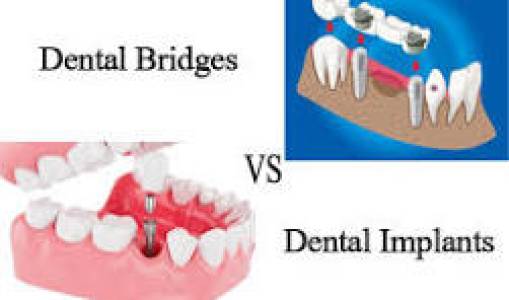
- Cost-Effective: Often more economical than tooth extraction followed by a bridge or dental implant in the long run.
➡️ Our Root Canal Treatment Process (What to Expect)
Our team at [Your Clinic Name] is dedicated to making your root canal experience as comfortable and efficient as possible. Here’s a general overview of the process:
- Diagnosis and Planning: We begin with a thorough examination, including digital X-rays, to accurately diagnose the infection and plan your treatment.
- Anesthesia and Isolation: Local anesthesia will be administered to ensure you are completely comfortable and pain-free during the procedure. A dental dam will be placed around the tooth to keep it dry and free from saliva.
- Access Opening: A small opening is made on the crown of the tooth to access the pulp chamber and root canals.
- Cleaning and Shaping: Using specialized instruments (files and irrigating solutions), the infected or damaged pulp is carefully removed from the pulp chamber and root canals. The canals are then cleaned, disinfected, and shaped in preparation for filling.
- Filling and Sealing: Once the canals are thoroughly cleaned and dried, they are filled with a biocompatible material, typically a rubber-like compound called gutta-percha. The opening is then sealed with a temporary or permanent filling.
- Final Restoration: In most cases, a crown or other restoration is necessary after a root canal to protect the treated tooth from future fracture and restore its full function. This step is crucial for the long-term success of the root canal.
🩹 After Your Root Canal Treatment
It's normal to experience some mild sensitivity or discomfort for a few days after the procedure, which can typically be managed with over-the-counter pain relievers. We will provide detailed aftercare instructions, including:
- Avoiding chewing on the treated tooth until your final restoration (crown) is placed.
- Maintaining good oral hygiene.
- Attending your follow-up appointments.
With proper care and a final restoration, your treated tooth can last a lifetime!
❓ FAQs (Frequently Asked Questions)
- Is a root canal painful?
- No, modern root canal treatment is performed with local anesthesia and is designed to relieve pain, not cause it. Most patients describe it as no more uncomfortable than getting a routine filling.
- How long does the procedure take?
- A root canal typically takes one to two appointments, each lasting 60-90 minutes, depending on the complexity of the tooth and the extent of the infection.
- How long will the treated tooth last?
- With proper care and a timely final restoration (like a crown), a tooth treated with a root canal can last a lifetime.
- What happens if I don't get a root canal?
- If left untreated, the infection can spread, leading to severe pain, swelling, bone loss around the tooth, and eventually, the need for tooth extraction.
- Can any dentist perform a root canal?
- Yes, many general dentists perform root canals. For complex cases, we may refer you to an endodontist, a specialist in root canal therapy.
💰 Investment in Your Oral Health (Pricing)
The cost of Root Canal Treatment can vary depending on factors such as the specific tooth (front teeth are generally simpler than molars), the complexity of the case, and the need for additional procedures (e.g., build-up, crown). We believe in transparent pricing and will provide you with a detailed estimate after your initial consultation. We also work with various dental insurance providers and offer financing options to make your treatment accessible.
🌟 Why Choose [Your Clinic Name] for Your Root Canal?
- Experienced Professionals: Our dentists are highly trained and experienced in advanced endodontic techniques.
- Advanced Technology: We utilize state-of-the-art equipment, including digital X-rays and rotary instruments, for precise and efficient treatment.
- Patient Comfort: We prioritize your comfort with amenities, gentle techniques, and sedation options if needed.
- Comprehensive Care: From diagnosis to the final restoration, we provide holistic care for your complete recovery.
- Compassionate Approach: We understand dental anxiety and are here to answer all your questions and ease your concerns.
📞 Ready to Find Relief?
Don't let tooth pain dictate your life. If you suspect you may need a root canal, or if you're experiencing dental pain, contact [Your Clinic Name] today to schedule a consultation. Our team is here to help you regain your comfort, health, and confident smile.
[Your Clinic Name] [Your Clinic Address] [Your Clinic Phone Number] [Your Clinic Email Address] [Your Clinic Website] [Link to Online Booking (Optional)]