Description
Root Canal Treatment: Restore Your Health, Preserve Your Smile
Suffering from persistent tooth pain, sensitivity, or an alarming swelling? Don't let dental discomfort dictate your life. Root Canal Treatment (RCT) is a highly effective, modern dental procedure designed to alleviate pain, eliminate infection, and save a severely damaged or infected tooth from extraction. At [Your Clinic Name], we are committed to providing gentle, precise, and compassionate care, helping you regain your oral health and confidence.
What is Root Canal Treatment?
A root canal is a dental procedure that removes infected or damaged pulp (the soft tissue inside your tooth containing nerves, blood vessels, and connective tissue) from the center of a tooth. Once the infected pulp is removed, the inside of the tooth is carefully cleaned, disinfected, and shaped, then filled and sealed. Finally, a crown or other restoration is placed to protect the tooth and restore its full function.
Often misunderstood, modern root canal treatments are remarkably similar to a routine filling and can usually be completed in one or two appointments, offering a comfortable and highly successful solution to tooth pain and infection.
Key Benefits of Choosing Root Canal Treatment:
- Pain Relief: The primary benefit is the immediate and lasting relief from severe toothache caused by infection or inflammation.
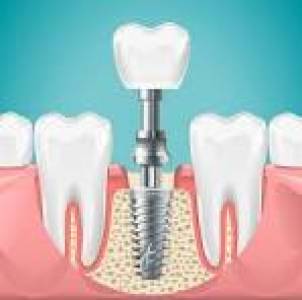
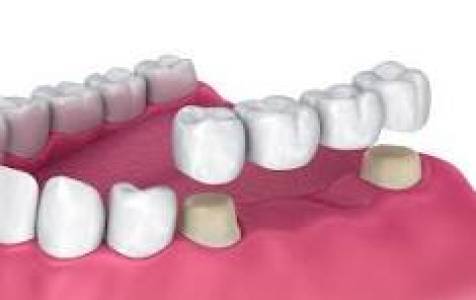
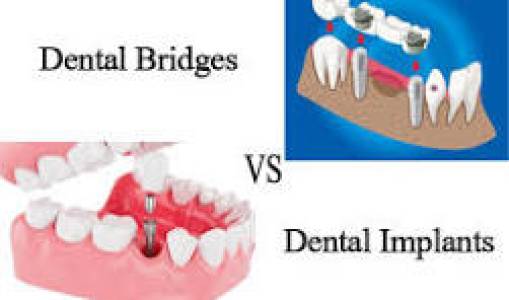
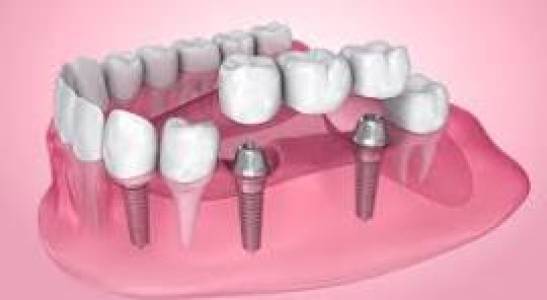
- Tooth Preservation: RCT allows you to keep your natural tooth, avoiding the need for extraction and subsequent replacement procedures like dental implants or bridges.
- Prevents Infection Spread: Eliminates bacteria and infection from the root canal system, preventing its spread to other teeth or into the bloodstream.
- Restored Chewing Function: A successfully treated tooth, especially when protected with a crown, can function just like any other natural tooth.
- Maintains Natural Appearance: Keeps your natural smile intact, preventing the cosmetic issues and bone loss associated with tooth extraction.
- Cost-Effective Long-Term: While there's an initial investment, saving a natural tooth is often more cost-effective than extracting it and replacing it with an artificial alternative over the long run.
When is Root Canal Treatment Needed?
You might require a root canal if you experience:
- Persistent or Severe Tooth Pain: Especially when chewing or applying pressure.
- Prolonged Sensitivity: To hot or cold temperatures, even after the source is removed.
- Swelling: In the gums around the affected tooth, or swelling of the face.
- Pimples on the Gums: A "pimple" or boil (abscess) on the gums indicates infection.
- Darkening of the Tooth: Discoloration of the tooth.
- Deep Decay or Injury: Damage to the tooth that has reached the pulp (e.g., a severe crack or chip).
The Root Canal Procedure: What to Expect
At [Your Clinic Name], your comfort and understanding are paramount. Here's a general overview of the root canal process:
- Diagnosis & Anesthesia: We begin with a thorough examination, including X-rays, to confirm the diagnosis. Local anesthesia is administered to numb the affected tooth and surrounding area, ensuring a pain-free experience.
- Access Opening: A small opening is made in the crown of the tooth to access the pulp chamber and root canals.
- Cleaning & Shaping: The infected or inflamed pulp is carefully removed. Tiny instruments are used to clean, disinfect, and shape the root canals to prepare them for filling.
- Filling & Sealing: The cleaned and shaped canals are filled with a biocompatible material, typically gutta-percha, and sealed with an adhesive cement to prevent re-infection.
- Restoration: A temporary filling is usually placed in the access opening. In most cases, a permanent crown is necessary after a root canal to protect the treated tooth from fracture and restore its full function and appearance.
After Your Root Canal: Expected Outcomes
Following your root canal, you can look forward to:
- Complete Relief from Pain: The primary goal is achieved, allowing you to eat and sleep comfortably again.
- Restored Oral Health: The infection is gone, and the tooth is preserved.
- Full Functionality: With a proper restoration, your tooth will be strong and functional for years to come.
- A Lasting Solution: With good oral hygiene and regular dental check-ups, a root canal treated tooth can last a lifetime.
Why Choose [Your Clinic Name] for Your Root Canal Treatment?
- Experienced & Gentle Dentists: Our team of highly skilled dentists and endodontists (root canal specialists) has extensive experience in performing successful root canal treatments with precision and care.
- Advanced Technology: We utilize state-of-the-art equipment, including digital X-rays, advanced rotary instruments, and dental microscopes, for enhanced accuracy, efficiency, and patient comfort.
- Patient-Centered Comfort: Your comfort is our priority. We offer sedation options for anxious patients and ensure a relaxed, empathetic environment throughout your visit.
- Strict Sterilization Protocols: We adhere to the highest standards of sterilization and infection control for your safety and peace of mind.
- Comprehensive Follow-up Care: We provide detailed post-treatment instructions and schedule follow-up appointments to ensure optimal healing and the long-term success of your treatment.
- Transparent Pricing: We believe in clear communication regarding treatment costs and options, helping you make informed decisions about your dental health.
Ready to Find Relief?
Don't let dental pain compromise your quality of life. If you suspect you may need a root canal, early diagnosis and treatment can make all the difference.
Contact [Your Clinic Name] today to schedule a consultation. Let us help you eliminate pain, preserve your natural tooth, and restore the health and beauty of your smile.
[Your Clinic Name] [Your Clinic Address] [Your Clinic Phone Number] [Your Clinic Website] [Your Clinic Email Address]
Frequently Asked Questions (FAQs)
Q: Is root canal treatment painful? A: Modern root canal treatments are typically no more uncomfortable than getting a routine filling. We use effective local anesthesia to ensure you are completely numb and comfortable throughout the procedure. Any post-procedure discomfort is usually mild and manageable with over-the-counter pain medication.
Q: How long does a root canal procedure take? A: A root canal can typically be completed in one to two appointments, each lasting between 60 to 90 minutes, depending on the complexity of the tooth and the infection.
Q: Is it better to get a root canal or have the tooth extracted? A: Whenever possible, saving your natural tooth with a root canal is almost always the preferred option. It maintains your natural bite, chewing efficiency, and preserves the surrounding bone structure, avoiding the need for more complex and costly replacement options like implants or bridges.
Q: How much does a root canal cost? A: The cost of a root canal varies depending on the tooth's location (front teeth are generally less complex than molars) and the complexity of the case. We will provide a detailed estimate during your consultation. Many dental insurance plans cover a portion of root canal treatment costs.
Q: What is the recovery like after a root canal? A: Most patients can return to their normal activities the same day or the day after the procedure. You may experience some mild sensitivity or soreness for a few days, which can be managed with over-the-counter pain relievers. We'll provide specific post-care instructions to ensure a smooth recovery.
Disclaimer: The information provided in this product description is for general knowledge and informational purposes only, and does not constitute medical advice. It is essential to consult with a qualified dental professional for any health concerns or before making any decisions related to your health or treatment. Individual results may vary.