Description
Here's a detailed product description for Braces in Markdown format:
Braces: Unlocking Your Healthiest, Most Confident Smile
Achieve Optimal Oral Health and Aesthetics
Braces are a time-tested and highly effective orthodontic solution designed to correct a wide range of dental and jaw alignment issues. More than just cosmetic enhancement, braces play a crucial role in improving overall oral health, function, and long-term well-being. By applying gentle, continuous pressure, they meticulously guide teeth into their ideal positions, creating a balanced bite and a beautiful, harmonious smile.
What Are Braces?
Braces are fixed orthodontic appliances used to move teeth and jaws over time. They typically consist of:
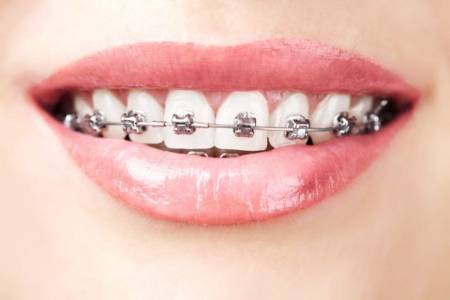
- Brackets: Small, square-shaped pieces (metal or ceramic) that are bonded to the front of each tooth. They act as anchors.
- Archwires: Thin, metal wires that pass through the brackets. These wires are the primary force providers, guiding the teeth.
- Ligatures/Elastics (O-rings): Small elastic bands or thin wires that hold the archwire into the bracket slots.
- Buccal Tubes/Bands: Metal rings often placed around the back molars to provide additional anchorage and hold the archwire ends.
- Elastics (Rubber Bands): Used in specific cases to apply force between the upper and lower jaws to correct bite alignment.
Key Features & Types:
While the fundamental mechanism remains similar, modern orthodontics offers several types of braces to suit individual needs and preferences:
- 1. Traditional Metal Braces:
- Material: High-grade stainless steel, sometimes combined with nickel-titanium alloys.
- Visibility: Most noticeable option, but smaller and more streamlined than in the past.
- Durability: Extremely strong and resistant to breakage.
- Effectiveness: Highly efficient for complex cases.
- Cost-Effectiveness: Often the most affordable option.
- 2. Ceramic Braces:
- Material: Translucent or tooth-colored ceramic material.
- Visibility: Much less noticeable than metal braces, blending with natural tooth color.
- Aesthetics: A popular choice for adults and teenagers who prefer a more discreet look.
- Durability: Can be more fragile than metal and may stain with certain foods/drinks if not properly cared for.
- 3. Self-Ligating Braces:
- Mechanism: Utilize a specialized clip or door mechanism within the bracket itself to hold the archwire, eliminating the need for elastic ligatures.
- Friction: Often results in less friction, which some studies suggest may lead to faster treatment or fewer adjustments.
- Hygiene: Easier to clean compared to traditional braces with ligatures, as there are fewer small components for food to get trapped around.
- Available in: Both metal and ceramic versions.
Benefits of Braces:
Investing in orthodontic treatment with braces offers a multitude of advantages:
- Improved Aesthetics: Straightens crooked teeth, closes gaps, and aligns your smile for a more attractive appearance.
- Enhanced Oral Hygiene: Properly aligned teeth are easier to brush and floss, reducing the risk of cavities, gum disease, and bad breath.
- Better Chewing Function: Corrects bite issues (overbite, underbite, crossbite) that can interfere with effective chewing and digestion.
- Reduced Wear and Tear: Aligned teeth distribute chewing forces evenly, preventing excessive wear on specific teeth, chipping, or fracturing.
- Speech Improvement: Corrects some speech impediments caused by misaligned teeth or jaws.
- Prevention of Future Problems: Addresses issues that could lead to jaw pain (TMJ disorders), headaches, and premature tooth loss.
- Boosted Confidence: A beautiful, healthy smile significantly enhances self-esteem and social interactions.
- Long-term Oral Health: Provides a foundation for a lifetime of better dental health.
Who Can Benefit from Braces?
Braces are suitable for a wide range of patients, typically starting in adolescence (around ages 10-14) after most permanent teeth have erupted, but increasingly popular among adults. They can effectively treat:
- Crowding: Teeth are too close together and overlap.
- Spacing: Gaps between teeth.
- Overbite (Deep Bite): Upper front teeth significantly overlap lower front teeth.
- Underbite: Lower front teeth extend beyond the upper front teeth.
- Crossbite: Upper teeth bite inside the lower teeth.
- Open Bite: Upper and lower front teeth don't meet when the mouth is closed.
- Misplaced Midline: The center of your upper front teeth does not align with the center of your lower front teeth.
- Impacted Teeth: Teeth that are stuck in the jaw and unable to erupt normally.
The Braces Treatment Process (General Overview):
- Initial Consultation: A thorough examination by an orthodontist, including X-rays, photos, and possibly digital scans or impressions, to assess your specific needs and develop a personalized treatment plan.
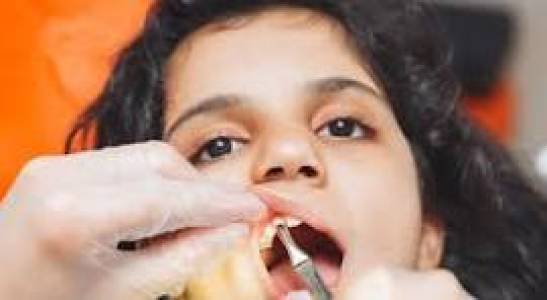
- Braces Placement: Brackets are bonded to your teeth, and archwires are inserted and secured. This is a painless procedure.
- Regular Adjustments: You'll visit your orthodontist every 4-8 weeks for adjustments. The archwires are tightened or changed, and elastics may be added, gradually moving your teeth.
- Oral Hygiene & Care: Adhering to strict oral hygiene practices and dietary recommendations is crucial throughout treatment.
- Braces Removal: Once your teeth have reached their ideal positions, the braces are carefully removed.
- Retention Phase: Retainers (removable or fixed) are essential to prevent teeth from shifting back to their original positions. This phase is as critical as the active treatment.
Caring for Your Braces:
Maintaining excellent oral hygiene is paramount during orthodontic treatment:
- Brush Diligently: Brush after every meal and before bed with a soft-bristled toothbrush and fluoride toothpaste. Pay special attention to cleaning around brackets and wires.
- Floss Regularly: Use floss threaders, orthodontic floss, or a water flosser to clean between teeth and under wires.
- Dietary Restrictions: Avoid sticky, hard, or chewy foods (e.g., gum, caramel, hard candies, nuts, popcorn, whole apples/carrots) that can damage braces.
- Avoid Sugary Drinks: Minimize sodas and sugary juices to prevent tooth decay and decalcification around brackets.
- Wear Elastics (If Prescribed): Always wear your prescribed elastics exactly as instructed by your orthodontist.
- Regular Dental Check-ups: Continue routine dental cleanings with your general dentist.
- Protect Your Smile: If you play sports, wear a custom-fitted mouthguard to protect your teeth and braces.
Why Choose Braces?
Braces are a proven path to a healthy, functional, and aesthetically pleasing smile. They represent a significant investment in your long-term oral health, confidence, and overall quality of life. With advancements in orthodontic technology, treatment is more comfortable, efficient, and discreet than ever before.
Ready to Transform Your Smile?
If you're considering braces for yourself or your child, the first step is a professional consultation. Our experienced orthodontic team is dedicated to providing personalized care and helping you achieve the smile you've always dreamed of.
[Call to Action: Schedule Your Free Consultation Today! / Learn More About Your Options!]
Disclaimer: The information provided here is for general educational purposes only and does not constitute medical advice. Always consult with a qualified orthodontist or dental professional to determine the best treatment plan for your specific needs.