Description
Okay, here's a detailed product description for "Implants" in Markdown format, designed to be comprehensive and cover the broad scope of medical implants.
Implants: Restoring Function, Enhancing Life
Introduction: A New Era of Medical Restoration
Implants represent one of the most transformative advancements in modern medicine. These sophisticated medical devices are meticulously designed to be surgically placed within the body, serving to replace, support, or enhance various biological structures and functions. From restoring the ability to chew and smile, to enabling mobility, regulating vital organs, or even enhancing sensory perception, implants are engineered solutions aimed at significantly improving a patient's health, comfort, and overall quality of life.
Built upon decades of research and innovation in biomaterials, biomechanics, and surgical techniques, today's implants offer unparalleled durability, biocompatibility, and integration with the human body. They stand as a testament to our capacity to overcome physical limitations and provide lasting solutions for a wide range of medical conditions.
Key Features & Benefits
Our implant technologies are characterized by a commitment to excellence, integrating cutting-edge science with patient-centered design.
- Exceptional Biocompatibility: Manufactured from advanced, inert materials such as medical-grade titanium, ceramics, and specialized polymers, our implants are designed to minimize adverse reactions and seamlessly integrate with surrounding tissues.
- Superior Durability & Longevity: Engineered for resilience, implants are built to withstand the rigorous demands of the human body, providing long-term solutions that can last for many years, often a lifetime.
- Precision Engineering & Customization: Utilizing state-of-the-art manufacturing processes and advanced imaging, many implants can be custom-designed or selected to perfectly match the patient's unique anatomy and specific clinical needs, ensuring optimal fit and function.
- Restoration of Function: Whether it's the ability to walk again, hear clearly, maintain cardiac rhythm, or eat comfortably, implants effectively restore lost physiological functions.
- Pain Relief & Symptom Management: By replacing damaged structures or correcting dysfunctional systems, implants can significantly alleviate chronic pain and manage debilitating symptoms.
- Enhanced Quality of Life: Beyond mere function, implants empower individuals to regain independence, participate in daily activities, and experience a dramatic improvement in their personal well-being and confidence.
- Minimally Invasive Options: Continuous advancements are leading to less invasive surgical techniques for implant placement, resulting in reduced recovery times and improved patient comfort.
Diverse Applications Across Medical Specialties
The versatility of implant technology is evident in its widespread use across virtually every medical discipline.
Dental Implants
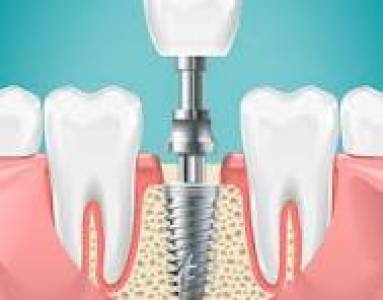
- Description: Titanium posts surgically placed into the jawbone to replace missing tooth roots.
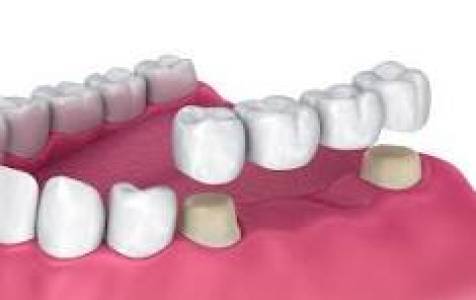
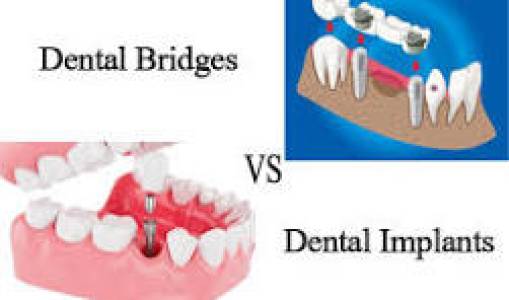
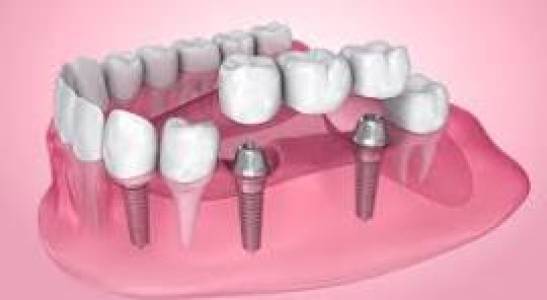
- Applications: Supporting crowns, bridges, or dentures, restoring chewing ability, preserving jawbone, and improving aesthetics.
Orthopedic Implants
- Description: Devices used to replace or support damaged bones and joints, or aid in spinal fusion.
- Applications:
- Joint Replacements: Hip, knee, shoulder, and ankle replacements for arthritis or severe injury.
- Spinal Implants: Rods, screws, plates, and cages for spinal fusion, stabilization, and correction of deformities.
- Fracture Fixation: Plates, screws, rods, and pins to stabilize broken bones during healing.
Cardiovascular Implants
- Description: Devices designed to support heart function, regulate blood flow, or deliver medication.
- Applications:
- Pacemakers & Defibrillators (ICDs): Regulating heart rhythm and delivering life-saving shocks.
- Stents: Expanding narrowed or blocked arteries (coronary, peripheral).
- Artificial Heart Valves: Replacing diseased or damaged heart valves.
- Vascular Grafts: Replacing damaged blood vessels.
Neurological Implants
- Description: Devices that interact with the nervous system to restore sensory function or manage neurological disorders.
- Applications:
- Cochlear Implants: Restoring hearing for individuals with severe to profound hearing loss.
- Deep Brain Stimulators (DBS): Treating movement disorders like Parkinson's disease, essential tremor, and dystonia.
- Vagus Nerve Stimulators (VNS): Treating epilepsy and certain types of depression.
- Spinal Cord Stimulators (SCS): Managing chronic pain.
Cosmetic & Reconstructive Implants
- Description: Devices used to restore form, volume, or aesthetic appearance after trauma, disease, or for elective enhancement.
- Applications:
- Breast Implants: For reconstruction after mastectomy or cosmetic augmentation.
- Facial Implants: For chin, cheek, or jawline augmentation and reconstruction.
- Tissue Expanders: To facilitate skin and soft tissue growth for reconstructive procedures.
The Implantation Process & Recovery
The journey to receiving an implant is a carefully managed process, typically involving:
- Comprehensive Consultation: A thorough evaluation by a specialist, including medical history review, physical examination, and advanced imaging (X-rays, CT scans, MRI) to determine candidacy and plan the procedure.
- Surgical Procedure: Performed by highly skilled surgeons in a sterile environment, the implant is precisely placed according to the individualized treatment plan.
- Healing & Integration: A crucial period where the body integrates with the implant. This can vary from weeks to months, depending on the type of implant and individual healing capacity.
- Rehabilitation & Follow-up: Post-operative care, including physical therapy, medication management, and regular check-ups, is essential to ensure optimal recovery and long-term success.
Why Choose Implant Technology?
Choosing implant technology represents an investment in your health and future, offering:
- Proven Success Rates: Backed by extensive clinical research and long-term data.
- Long-Term Solutions: Often providing permanent or very long-lasting relief and function.
- Significant Improvement in Quality of Life: Restoring independence and well-being.
- Continuous Innovation: The field is constantly advancing, offering safer and more effective solutions.
Safety and Regulatory Standards
All implants adhere to the strictest global regulatory standards. Our products undergo rigorous testing and clinical trials to ensure their safety, efficacy, and quality. They are approved by leading health authorities such as the FDA (U.S.), CE Mark (Europe), and other relevant national bodies, providing peace of mind for both patients and healthcare providers.
Take the Next Step
If you or a loved one are considering an implant to address a medical condition, the first step is always to consult with a qualified medical professional. They can provide a personalized assessment, discuss the most suitable options, and guide you through the process.
Discover how implant technology can transform your life – talk to your doctor today.
Important Disclaimer
This product description provides general information about medical implants and is not intended as medical advice. Individual results may vary. All medical procedures carry risks. It is crucial to consult with a qualified healthcare professional to discuss your specific condition, treatment options, and potential risks and benefits.