Description
Here's a detailed product description for Crowns and Bridges, formatted in Markdown:
Crowns and Bridges: Restore Your Smile's Strength, Function, and Beauty
At [Your Clinic Name], we understand the impact a damaged or missing tooth can have on your confidence, oral health, and ability to enjoy life to the fullest. Our custom-crafted dental crowns and bridges offer durable, natural-looking solutions to restore your smile's integrity and aesthetic appeal.
What Are Dental Crowns?
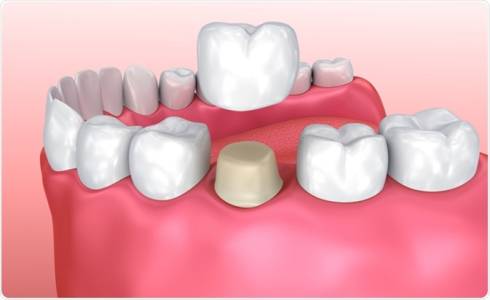
A dental crown, often referred to as a "cap," is a custom-made restoration that completely covers a damaged or weakened tooth. It's designed to restore the tooth's shape, size, strength, and appearance, seamlessly blending with your natural teeth.
When Do You Need a Dental Crown?
You might be a candidate for a dental crown if you have:
- A tooth with a large filling where there isn't enough natural tooth structure left.
- A weakened tooth at risk of fracturing.
- A broken or severely worn tooth.
- A tooth after a root canal procedure (to protect the weakened tooth).
- A discolored or misshapen tooth that needs cosmetic enhancement.
- To cover a dental implant.
- To hold a dental bridge in place.
Materials for Dental Crowns
We offer a range of high-quality materials to suit your specific needs, budget, and aesthetic preferences:
- Porcelain/Ceramic: Highly aesthetic, these crowns mimic the natural translucency and color of your teeth, making them ideal for front teeth. They are also metal-free, perfect for patients with metal sensitivities.
- Zirconia: Known for its exceptional strength and durability, Zirconia is a popular choice for both front and back teeth. It's also biocompatible and offers excellent aesthetics.
- Porcelain Fused to Metal (PFM): These crowns provide a strong metal substructure for durability, topped with a porcelain layer for a natural look. They offer a good balance of strength and aesthetics, though a grey line can sometimes be visible at the gumline.
- Gold Alloys: Highly biocompatible and extremely durable, gold crowns are resistant to wear and gentle on opposing teeth. They are often chosen for back teeth where strength is paramount.
The Dental Crown Procedure
The process for receiving a dental crown typically involves two appointments:
- Preparation: Your dentist will numb the area, then carefully reshape the tooth to ensure the crown fits perfectly. An impression (mold) of your tooth will be taken and sent to a dental laboratory. A temporary crown will be placed to protect your tooth while your custom permanent crown is being fabricated.
- Placement: Once your permanent crown arrives, you'll return to our clinic. The temporary crown will be removed, and your new crown will be carefully fitted and checked for proper bite and aesthetics. Once you and your dentist are satisfied, the crown will be permanently bonded to your tooth.
What Are Dental Bridges?
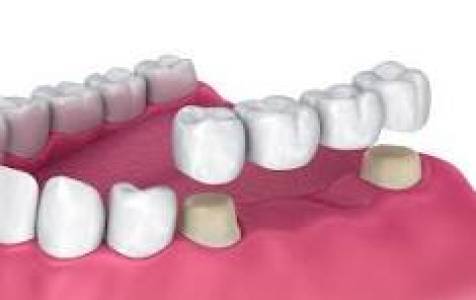
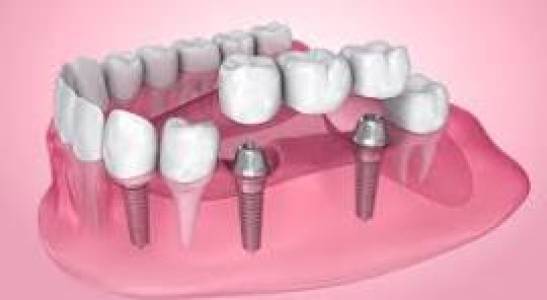
A dental bridge is a custom prosthetic device used to replace one or more missing teeth. It "bridges" the gap created by missing teeth by using adjacent healthy teeth (or implants) as anchors.
When Do You Need a Dental Bridge?
A dental bridge is an excellent solution if you have:
- One or more missing teeth.
- A desire to restore your chewing and speaking ability.
- A need to prevent remaining teeth from shifting into the gap, which can lead to bite problems and other dental issues.
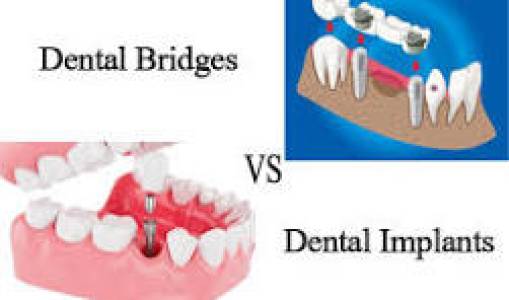
- A desire to maintain the natural shape of your face and prevent jawbone deterioration that can occur with missing teeth (though implants are generally superior for bone preservation).
Types of Dental Bridges
The most common type of bridge we provide is the:
- Traditional Bridge: This involves creating a crown for the tooth or implant on either side of the missing tooth/teeth, with a "pontic" (false tooth) in between. These are the most common and durable type of bridge.
- Cantilever Bridge: Used when there are adjacent teeth on only one side of the missing tooth.
- Maryland Bonded Bridge: A conservative option where a pontic is held in place by metal or porcelain wings bonded to the back surfaces of the adjacent teeth.
Materials for Dental Bridges
Similar to crowns, dental bridges are crafted from durable and aesthetic materials such as:
- Porcelain/Ceramic: For excellent aesthetics, especially in visible areas.
- Zirconia: For superior strength and natural appearance.
- Porcelain Fused to Metal (PFM): Offers a strong and aesthetically pleasing solution.
The Dental Bridge Procedure
Receiving a dental bridge also typically involves two visits:
- Preparation: The abutment teeth (the teeth on either side of the gap) will be prepared by carefully removing a small amount of enamel to allow for the placement of crowns. Impressions will be taken and sent to the dental lab. A temporary bridge will be placed to protect your prepared teeth and gums.
- Placement: During your second visit, the temporary bridge will be removed, and your custom permanent bridge will be carefully fitted and adjusted to ensure a proper fit and comfortable bite. Once everything is perfect, the bridge will be permanently cemented into place.
Why Choose Crowns and Bridges from [Your Clinic Name]?
- Expert Craftsmanship: Our highly skilled dentists combine precision and artistry to design crowns and bridges that are both functional and aesthetically pleasing.
- Advanced Technology: We utilize state-of-the-art equipment and techniques for accurate diagnostics, comfortable procedures, and optimal results.
- Personalized Treatment Plans: We take the time to understand your unique needs and goals, developing a customized treatment plan that's right for you.
- Natural Appearance: Our restorations are meticulously matched to the color, shape, and size of your natural teeth, ensuring a seamless and beautiful smile.
- Durability and Longevity: Crafted from high-quality materials, our crowns and bridges are designed to withstand the rigors of daily use and last for many years with proper care.
- Restored Function: Enjoy renewed ability to chew, speak, and smile with confidence, improving your overall quality of life.
Caring for Your Crowns and Bridges
With proper care, your crowns and bridges can last for 10-15 years or even longer.
- Maintain Excellent Oral Hygiene: Brush twice a day and floss daily, paying special attention to the area around your crown or bridge to prevent plaque buildup and gum disease. Special floss threaders or interdental brushes can help clean under bridges.
- Regular Dental Check-ups: Continue with your routine dental examinations and cleanings at [Your Clinic Name] to ensure the health and longevity of your restorations and overall oral health.
- Avoid Hard Foods: Be cautious with extremely hard or sticky foods that could potentially damage your crown or bridge.
- Address Bruxism (Teeth Grinding): If you grind or clench your teeth, we may recommend a nightguard to protect your restorations from excessive wear.
Ready to Restore Your Smile?
Don't let damaged or missing teeth hold you back any longer. Crowns and bridges offer a fantastic way to regain your smile's health, strength, and beauty.
Contact [Your Clinic Name] today at [Your Phone Number] or visit [Your Website/Booking Link] to schedule a consultation. Our friendly team is here to answer all your questions and help you determine the best restorative solution for your unique smile.