Description
Here's a detailed product description for Root Canal Treatment, formatted in Markdown:
Root Canal Treatment: Restore Health, Relieve Pain, Save Your Natural Tooth
Reclaim Your Comfort and Preserve Your Smile
Root Canal Treatment, also known as endodontic therapy, is a highly effective and common dental procedure designed to save a tooth that has become infected or severely damaged due to deep decay, repeated dental procedures, cracks, or trauma. Instead of extracting the affected tooth, a root canal allows us to remove the diseased pulp, clean and disinfect the inside of your tooth, and then seal it to prevent further infection.
Why You Might Need Root Canal Treatment
The soft inner tissue of your tooth, called the pulp, contains nerves, blood vessels, and connective tissue. When this pulp becomes inflamed or infected, it can lead to significant pain and, if left untreated, can result in an abscess, bone loss, and even the need for tooth extraction.
Common signs that may indicate the need for a root canal include:
- Persistent or Severe Toothache: Especially when chewing or applying pressure.
- Prolonged Sensitivity: To hot or cold temperatures, even after the source is removed.
- Swelling or Tenderness: In the gums surrounding the affected tooth.
- Pimples on the Gums: A recurring or persistent "pimple" on the gums, which may indicate pus drainage.
- Tooth Discoloration: Darkening of the tooth.
- Pain that Wakes You Up: A clear sign of acute inflammation.
What Is Root Canal Treatment? (Procedure Overview)
Root Canal Treatment is a precise and often single-visit procedure (though sometimes multiple visits are required for complex cases or severe infection). Our goal is to make the experience as comfortable and pain-free as possible.
The procedure generally involves the following steps:
- Diagnosis & Anesthesia: We begin with a thorough examination, including X-rays, to accurately diagnose the infection. Local anesthesia is administered to numb the tooth and surrounding area, ensuring you feel no pain during the procedure.
- Access Opening: A small opening is made on the top of the tooth to access the pulp chamber and root canals.
- Pulp Removal & Cleaning: The infected or inflamed pulp is carefully removed from the pulp chamber and root canals using specialized instruments. The canals are then meticulously cleaned, shaped, and disinfected to remove bacteria and debris.
- Filling & Sealing: Once the canals are thoroughly cleaned and dry, they are filled with a biocompatible material, typically a rubber-like compound called gutta-percha. This material is used to seal the canals and prevent re-infection.
- Temporary Filling: A temporary filling is placed in the access opening to protect the tooth until your permanent restoration.
- Permanent Restoration: In most cases, a crown will be recommended and placed on the treated tooth during a subsequent visit. This provides essential protection, restores the tooth's full function, and prevents future fractures.
Key Benefits of Choosing Root Canal Treatment
- Immediate and Lasting Pain Relief: Eliminates the source of your pain.
- Saves Your Natural Tooth: Prevents the need for extraction and maintains your natural bite.
- Prevents Spread of Infection: Stops the infection from spreading to other teeth or into your jawbone.
- Restores Chewing Efficiency: Allows you to eat and chew comfortably again.
- Maintains Your Natural Appearance: Keeps your natural smile intact.
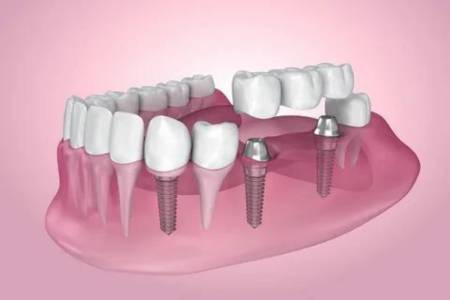
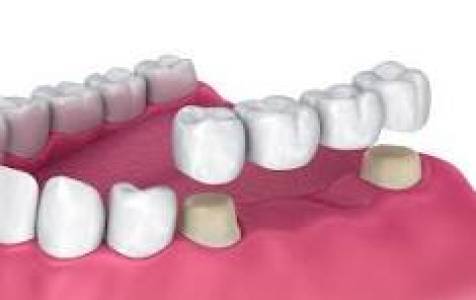
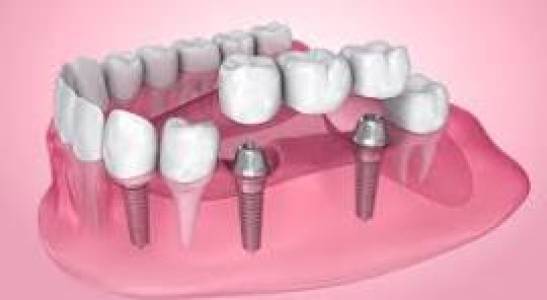
- Cost-Effective: Often more affordable in the long run than extracting a tooth and replacing it with an implant or bridge.
Our Commitment to Your Comfort and Success
We understand that the idea of a root canal can be daunting. Our practice is dedicated to providing a comfortable, stress-free experience using:
- Advanced Diagnostic Tools: Digital X-rays and 3D imaging for precise diagnosis.
- Modern Endodontic Techniques: Utilizing rotary instruments and advanced cleaning protocols for efficient and thorough treatment.
- Effective Pain Management: Ensuring optimal anesthesia and offering sedation options for anxious patients.
- Experienced & Compassionate Team: Our dentists are highly skilled in endodontic procedures, committed to your well-being.
What to Expect After Your Root Canal
It's normal to experience some mild sensitivity or soreness for a few days after the procedure, especially while the treated area heals. This can usually be managed with over-the-counter pain relievers. We will provide detailed aftercare instructions to ensure a smooth recovery.
Remember, the final step in a successful root canal treatment is the placement of a permanent restoration, often a dental crown. This crown protects the tooth from fracture and ensures its long-term health and function.
Take the First Step Towards Relief
Don't let dental pain compromise your quality of life. If you suspect you may need a root canal, or if you're experiencing any of the symptoms listed above, it's crucial to seek professional dental evaluation promptly. Early intervention can prevent further complications and increase the success rate of the treatment.
Contact Us Today!
Schedule a consultation with our experienced team to discuss your symptoms and determine if Root Canal Treatment is the right solution for you. We're here to help you achieve a healthy, pain-free smile.
Disclaimer: This product description is for general informational purposes only and does not constitute medical advice. Always consult with a qualified dental professional for diagnosis, treatment recommendations, and to discuss your specific dental health needs.