Description
Root Canal Therapy: Restoring Health & Preserving Your Natural Smile
Introduction: Save Your Tooth, Eliminate Pain
Are you experiencing persistent tooth pain, sensitivity, or swelling? Root Canal Therapy, often misunderstood, is a highly effective and common dental procedure designed to save a severely damaged or infected tooth rather than extracting it. Far from being a painful ordeal, root canal treatment actually relieves pain and eliminates infection, allowing you to retain your natural tooth and maintain your oral health.
We understand that the phrase "root canal" can evoke anxiety. Our mission is to provide a comprehensive, comfortable, and successful treatment experience, guided by advanced techniques and a patient-first approach.
What is a Root Canal?
At the center of every tooth is the dental pulp – a soft tissue containing nerves, blood vessels, and connective tissue. When this pulp becomes inflamed or infected due to deep decay, repeated dental procedures, cracks in the tooth, or trauma, it can cause significant pain and lead to an abscess if left untreated.
Root canal therapy, also known as endodontic treatment, involves carefully removing the infected or inflamed pulp, cleaning and shaping the inside of the root canal system, and then filling and sealing the space. Finally, the tooth is restored, usually with a crown, to protect it and restore its full function.
Key Benefits of Root Canal Therapy
Choosing root canal therapy offers numerous advantages:
- Pain Relief: The primary and most immediate benefit is the elimination of the severe pain caused by infection and inflammation.
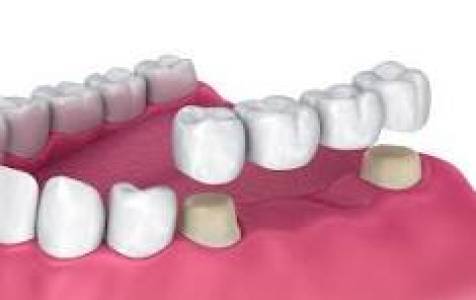
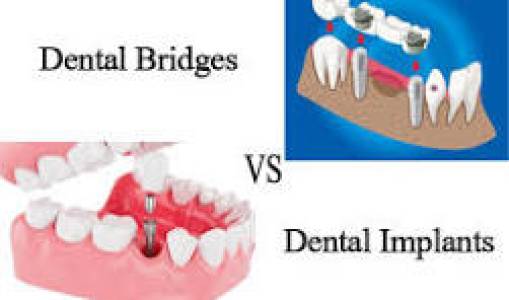
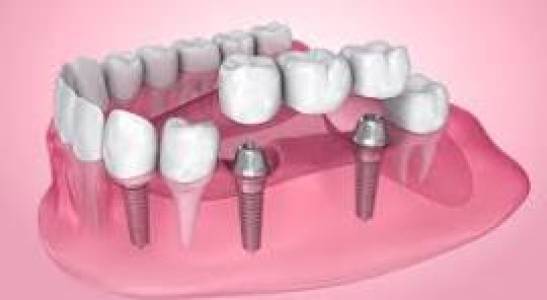
- Tooth Preservation: It allows you to keep your natural tooth, preventing the need for extraction and avoiding the complexities and costs associated with bridges or dental implants.
- Prevents Infection Spread: Stops the infection from spreading to other teeth, your jawbone, or other parts of your body.
- Restores Function: Once treated and restored, your tooth can function normally for chewing and speaking.
- Maintains Natural Appearance: Keeps your smile intact by preventing gaps or shifts that can occur with tooth loss.
- Cost-Effective Long-Term: Often more economical than extraction followed by a prosthetic replacement over the long run.
- High Success Rate: Modern root canal treatments boast a success rate of over 95%, with many treated teeth lasting a lifetime.
Do You Need a Root Canal? Common Symptoms & Indications
Consult your dentist immediately if you experience any of the following:
- Severe Toothache: Persistent pain that doesn't go away, often worsening at night or when lying down.
- Prolonged Sensitivity: Lingering pain to hot or cold temperatures, even after the source is removed.
- Pain Upon Chewing or Pressure: Discomfort when biting down or touching the tooth.
- Swelling and Tenderness: Of the gums near the affected tooth, sometimes with a "pimple" or boil on the gum (a fistula).
- Discoloration of the Tooth: The tooth may darken due to internal damage.
- Deep Decay: X-rays often reveal decay that has reached the pulp.
- Chipped or Cracked Tooth: Especially if the pulp has been exposed or damaged.
The Root Canal Process: What to Expect
Our streamlined approach ensures your comfort and the highest quality of care:
1. Diagnosis & Planning
- We'll perform a thorough examination, including digital X-rays, to accurately diagnose the problem and assess the extent of the infection.
- We'll discuss your treatment options and answer any questions you may have.
2. Anesthesia & Isolation
- Local anesthesia will be administered to thoroughly numb the affected tooth and surrounding area, ensuring a pain-free procedure.
- A dental dam (a small sheet of latex or non-latex material) will be placed around the tooth to keep it clean, dry, and free from saliva during treatment.
3. Access & Pulp Removal
- A small opening will be made on the top of the tooth (for back teeth) or the back (for front teeth) to access the pulp chamber and root canals.
- Using specialized instruments, the infected or inflamed pulp tissue is carefully removed from the pulp chamber and root canals.
4. Cleaning & Shaping
- The root canals are meticulously cleaned, disinfected, and shaped to prepare them for filling. This step removes bacteria and debris.
5. Filling & Sealing
- The cleaned and shaped canals are filled with a biocompatible, rubber-like material called gutta-percha, which is sealed into place with an adhesive cement to prevent reinfection.
6. Temporary Restoration
- A temporary filling is placed in the access opening to protect the tooth until your permanent restoration can be placed.
7. Permanent Restoration (Usually a Crown)
- In most cases, a dental crown is highly recommended after a root canal. This permanent restoration encases the entire tooth, providing crucial strength and protection to prevent future fractures. Your final crown will be custom-made to match your natural teeth.
After Your Root Canal: Care & Recovery
- Mild Soreness: It's normal to experience some mild tenderness or soreness for a few days after the procedure, especially as the anesthetic wears off. This can typically be managed with over-the-counter pain relievers.
- Avoid Chewing: Until your permanent crown is placed, avoid chewing on the treated tooth to prevent fracturing it.
- Oral Hygiene: Continue to brush and floss regularly to maintain good oral health.
- Follow-Up: Attend your scheduled follow-up appointments, particularly for the placement of your permanent restoration.
- Longevity: With proper oral hygiene and regular dental check-ups, your root canal-treated tooth can last a lifetime.
Frequently Asked Questions (FAQs)
Q: Is a root canal painful?
A: With modern anesthetics and techniques, root canal treatment is no more uncomfortable than getting a filling. The procedure itself is designed to relieve pain, not cause it.
Q: How long does a root canal take?
A: A typical root canal can take anywhere from 1 to 2 hours per visit, depending on the complexity of the tooth (e.g., molars have more roots than front teeth). Most cases are completed in one or two visits.
Q: What happens if I don't get a root canal when needed?
A: Ignoring an infected pulp can lead to worsening pain, the spread of infection to other areas (forming an abscess), bone loss around the tooth, and eventually, the need for tooth extraction.
Q: Do I always need a crown after a root canal?
A: For most teeth, especially back teeth that endure significant chewing forces, a crown is highly recommended. It provides essential protection against fractures, ensuring the long-term success of the treatment.
Q: Is root canal therapy safe?
A: Yes, root canal therapy is a very safe and effective procedure. It has been used for decades to successfully treat and save millions of teeth, with no proven links to systemic diseases.
Don't Let Tooth Pain Control Your Life!
If you suspect you may need root canal therapy, or if you're experiencing any persistent tooth pain, don't delay seeking professional help. Early diagnosis and treatment can prevent further complications and ensure the best possible outcome.
Contact us today to schedule a consultation and take the first step towards a pain-free, healthy smile!
Disclaimer: This product description is for informational purposes only and does not constitute medical advice. Always consult with a qualified dental professional for diagnosis and treatment recommendations tailored to your specific condition.