Description
As an essential dental service, Root Canal Therapy is designed to save a tooth whose pulp (the soft tissue inside the tooth containing nerves and blood vessels) has become infected or inflamed due to deep decay, repeated dental procedures, cracks, or trauma. This sophisticated procedure eliminates pain, preserves your natural tooth, and restores your oral health, preventing the need for extraction.
Root Canal Therapy: Save Your Smile, Relieve Your Pain
Product Overview:
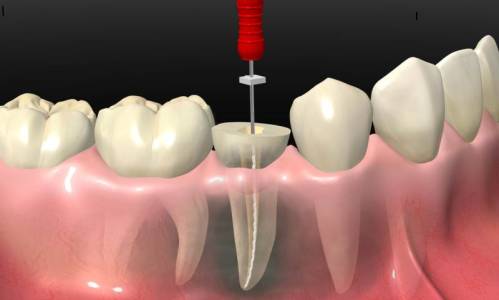
Don't let debilitating tooth pain dictate your life. Root Canal Therapy (also known as endodontic treatment) is a highly effective and common dental procedure that addresses the root cause of tooth pain and infection. By carefully removing the compromised pulp, cleaning and shaping the root canals, and sealing them, we aim to eliminate discomfort, prevent further infection, and keep your natural tooth functioning beautifully for years to come.
Key Benefits:
- Pain Relief: Effectively eliminates the severe pain and discomfort caused by an infected or inflamed tooth pulp.
- Tooth Preservation: Saves your natural tooth, preventing the need for extraction and maintaining your natural bite and alignment.
- Prevents Further Infection: Removes bacteria and infected tissue, preventing the spread of infection to other teeth or parts of your body.
- Restores Oral Health: Contributes to overall oral wellness by eradicating chronic infection and inflammation.
- Enhanced Aesthetics & Function: Often followed by a crown, which restores the tooth's appearance, strength, and full chewing function.
- Long-Term Solution: With proper care, a treated tooth can last a lifetime, comparable to other healthy teeth.
Indications: When is Root Canal Therapy Recommended?
You might be a candidate for Root Canal Therapy if you experience one or more of the following symptoms:
- Persistent Tooth Pain: Especially when chewing or applying pressure.
- Prolonged Sensitivity: To hot and cold temperatures, even after the stimulus is removed.
- Swelling and Tenderness: In the gums near the affected tooth.
- Pimple-Like Bump: A small, recurring pimple (fistula) on the gums, indicating an infection draining.
- Tooth Discoloration: Darkening or graying of the affected tooth.
- Tenderness or Swelling: In nearby lymph nodes or the jaw.
- Dental Abscess: An X-ray showing an infection at the root tip.
The Procedure: What to Expect
Our priority is your comfort. Root Canal Therapy is typically performed over one or two appointments and involves the following meticulous steps:
- Diagnosis and Anesthesia: A thorough examination, including X-rays and diagnostic tests, confirms the need for treatment. Local anesthesia is administered to numb the affected tooth and surrounding area, ensuring a pain-free experience throughout the procedure.
- Access Opening: A small opening is carefully made on the top surface of the tooth (for back teeth) or the back (for front teeth) to access the pulp chamber and root canals.
- Pulp Removal and Cleaning: The infected or inflamed pulp is meticulously removed from the pulp chamber and root canals using specialized, fine instruments. The canals are then thoroughly cleaned, shaped, and disinfected to remove all bacteria and debris.
- Filling the Canals: Once cleaned and disinfected, the root canals are filled with a biocompatible, rubber-like material called gutta-percha. This material is sealed with an adhesive cement to prevent re-infection.
- Temporary Filling: A temporary filling is placed in the access opening to protect the tooth until the permanent restoration can be placed.
- Permanent Restoration (Crown): In most cases, especially for molars and premolars, a dental crown is highly recommended and fabricated in a subsequent appointment. The crown provides essential strength, protection, and restores the tooth's full function and natural appearance.
Post-Treatment Care and Recovery:
- Mild Discomfort: It's normal to experience some mild sensitivity or discomfort for a few days after the procedure, which can be managed effectively with over-the-counter pain relievers.
- Avoid Chewing: Avoid chewing on the treated tooth until the permanent crown or filling is placed to prevent damage.
- Oral Hygiene: Maintain excellent oral hygiene, brushing and flossing regularly.
- Follow-Up: Attend all scheduled follow-up appointments, especially for crown placement, to ensure the long-term success of your treatment.
Why Choose Root Canal Therapy Over Extraction?
While extraction might seem like a simpler solution, preserving your natural tooth through root canal therapy offers significant long-term advantages:
- Optimal Chewing: Your natural teeth are designed for superior chewing efficiency and sensation.
- Natural Appearance: Maintains your natural smile and facial structure.
- Prevents Shifting: Keeps adjacent teeth from shifting into the gap created by a missing tooth.
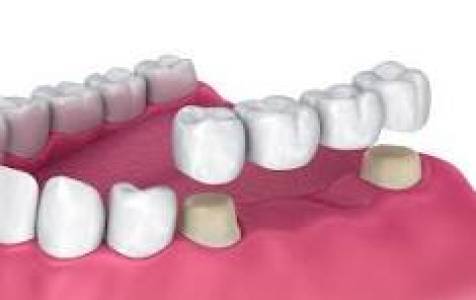
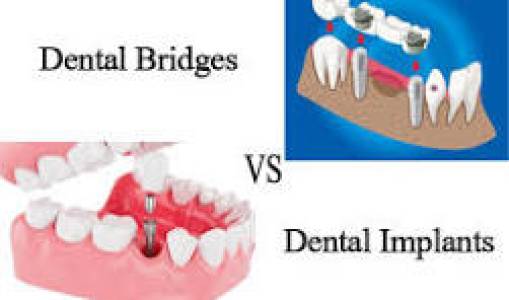
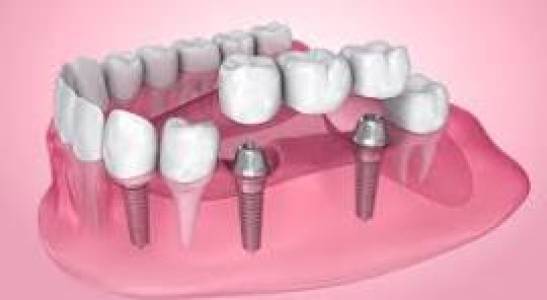
- Cost-Effective Long-Term: Often more economical than replacing a missing tooth with an implant or bridge over the lifespan.
Take the First Step Towards Relief:
If you're experiencing symptoms of an infected tooth, don't delay. Early diagnosis and treatment can prevent further complications and save your tooth. Contact us today to schedule a consultation and learn if Root Canal Therapy is the right solution for you. Regain your comfort, preserve your smile, and restore your oral health.
Disclaimer: This product description provides general information about Root Canal Therapy and is not a substitute for professional medical advice, diagnosis, or treatment. Individual results may vary. Always consult with a qualified dental professional regarding any dental concerns or before making any decisions about your oral health.