Description
Restore Your Smile with Precision: Dental Crowns, Inlays, and Onlays
When your teeth suffer from damage, decay, or wear, they can compromise your oral health, comfort, and the beauty of your smile. At [Your Dental Practice Name], we offer a range of advanced restorative solutions, including Dental Crowns, Inlays, and Onlays, designed to bring back the strength, function, and natural aesthetics of your teeth.
These custom-crafted restorations are more than just cosmetic fixes; they are durable, long-lasting treatments that protect your natural tooth structure and prevent further issues. Our experienced team uses state-of-the-art technology and premium materials to ensure a precise fit and a beautiful, healthy outcome.
Understanding Your Options: Crowns, Inlays, and Onlays
Each type of restoration serves a specific purpose, tailored to the extent of damage and the amount of healthy tooth structure remaining.
1. Dental Crowns: The Full-Coverage Solution
A dental crown, often referred to as a "cap," is a custom-made restoration that completely covers the entire visible portion of a damaged tooth, much like a protective helmet. It is bonded permanently to your tooth, restoring its original shape, size, strength, and appearance.
When a Crown is Recommended:
- Extensive Decay: When a cavity is too large for a traditional filling.
- Fractured or Broken Teeth: To hold together parts of a cracked tooth and prevent the fracture from worsening.
- After Root Canal Therapy: To protect a tooth that has become brittle after root canal treatment.
- Weak or Worn Teeth: To strengthen teeth weakened by grinding (bruxism) or severe wear.
- Cosmetic Enhancement: To cover severely discolored, misshapen, or poorly aligned teeth.
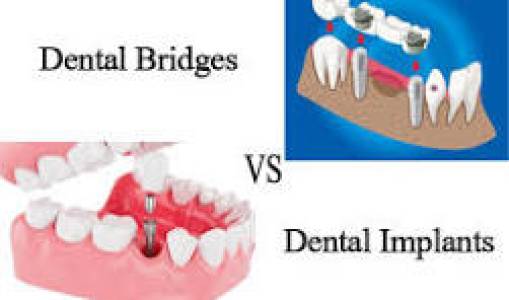
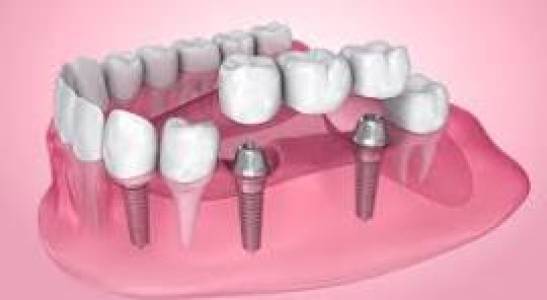
- Dental Implants: As the visible tooth structure placed on top of a dental implant.
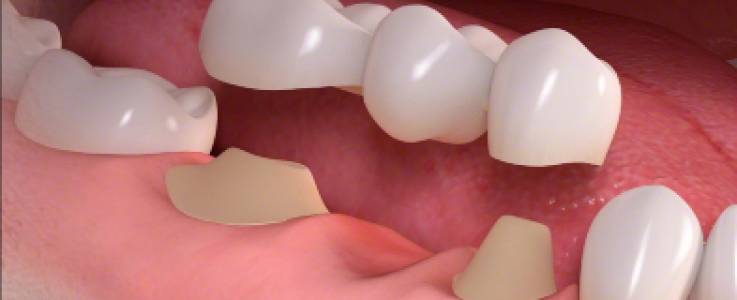
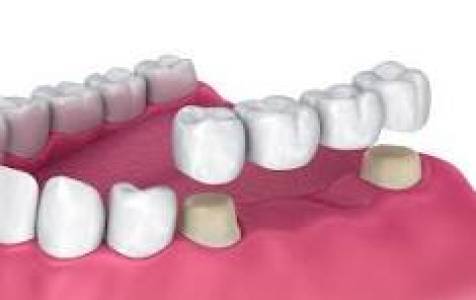
- To Anchor a Bridge: Crowns are used on adjacent teeth to support a dental bridge.
Benefits of Dental Crowns:
- Complete Protection: Encapsulates the entire tooth, offering maximum strength and protection.
- Restores Bite Function: Allows you to chew and speak comfortably and effectively.
- Natural Appearance: Crafted to match the color, shape, and size of your natural teeth.
- Exceptional Durability: Designed to last for many years with proper care.
Common Materials:
- Porcelain/Ceramic: Highly aesthetic, ideal for front teeth.
- Zirconia: Extremely strong and durable, with good aesthetics, suitable for molars.
- Porcelain-Fused-to-Metal (PFM): Offers a balance of strength and aesthetics.
- Metal Alloys (Gold, Silver): Very strong and durable, often used for back teeth.
2. Dental Inlays: The Interior Restoration
An inlay is a custom-made restoration that is used to repair moderate decay or damage that lies within the cusps (the raised points) of a tooth's biting surface. Unlike a filling that is molded directly into the tooth, an inlay is fabricated in a dental lab and then precisely bonded into place.
When an Inlay is Recommended:
- Moderate Decay: When a cavity is too large for a simple filling but not extensive enough for a crown.
- Replacement of Old Fillings: To replace old, failing, or fractured metal fillings.
- Stronger Alternative to Fillings: Offers greater strength and longevity than traditional composite or amalgam fillings.
Benefits of Dental Inlays:
- Preserves More Natural Tooth: Requires less removal of healthy tooth structure compared to a crown.
- Superior Strength: Lab-fabricated to withstand chewing forces better than direct fillings.
- Precise Fit: Ensures a tight seal, reducing the risk of bacterial leakage.
- Excellent Aesthetics: Can be color-matched to your natural tooth, making it virtually invisible.
Common Materials:
- Porcelain/Ceramic: Popular for their natural appearance and durability.
- Composite Resin: A tooth-colored plastic and glass mixture.
- Gold: Known for its longevity and biocompatibility, though less aesthetic.
3. Dental Onlays: The Partial Crown (Cusp Coverage)
An onlay is more extensive than an inlay but less extensive than a full crown. It is a custom-made restoration that not only covers the interior of the tooth but also extends over one or more of the tooth's cusps (the outer points of the chewing surface). For this reason, onlays are sometimes referred to as "partial crowns."
When an Onlay is Recommended:
- Larger Decay or Damage: When the decay or fracture extends to involve one or more cusps.
- Cracked Cusps: To repair and protect a weakened or fractured cusp.
- Alternative to a Crown: When sufficient healthy tooth structure remains, an onlay can be a more conservative alternative to a full crown, preserving more of the natural tooth.
Benefits of Dental Onlays:
- Maximum Tooth Preservation: The most conservative option when cusp coverage is needed, saving more healthy tooth structure than a full crown.
- Superior Strength & Protection: Provides excellent protection against fracture for weakened cusps.
- Exceptional Durability: Lab-fabricated for a precise and long-lasting fit.
- Aesthetic Integration: Blends seamlessly with your natural tooth color.
Common Materials:
- Porcelain/Ceramic: Highly aesthetic and strong, suitable for visible areas.
- Composite Resin: A good aesthetic choice, though less durable than porcelain.
- Gold: Offers superior strength and durability.
The Treatment Process (Generally):
While specific steps vary, the general process for crowns, inlays, and onlays typically involves:
- Consultation & Examination: A thorough examination and discussion of your needs and the best restorative option.
- Tooth Preparation: The damaged or decayed portion of the tooth is carefully removed, and the tooth is shaped to accommodate the restoration.
- Impressions: Digital or traditional impressions are taken to create a precise model of your teeth. This model is sent to a dental lab where your custom crown, inlay, or onlay will be fabricated.
- Temporary Restoration (for Crowns/Onlays): A temporary crown or onlay may be placed to protect your tooth while your permanent restoration is being made.
- Placement & Bonding: Once your custom restoration is ready, it is meticulously fitted, adjusted for your bite, and permanently bonded to your tooth.
Why Choose [Your Dental Practice Name] for Your Restorative Needs?
- Experienced & Skilled Dentists: Our team has extensive expertise in restorative dentistry, ensuring meticulous preparation and placement.
- Advanced Technology: We utilize cutting-edge digital imaging and restorative techniques for precise, comfortable, and efficient treatment.
- Personalized Treatment Plans: We take the time to understand your unique needs and recommend the most appropriate and conservative solution.
- Premium Materials: We partner with top dental labs and use high-quality, durable, and aesthetically pleasing materials.
- Patient Comfort: Your comfort is our priority. We strive to make every visit a positive and stress-free experience.
Ready to Restore Your Smile?
Don't let damaged teeth hold you back. Whether you need a full crown, an inlay, or an onlay, our team at [Your Dental Practice Name] is here to provide you with the highest quality restorative care.
Contact us today to schedule a consultation and discover how we can help you achieve a strong, healthy, and beautiful smile!
[Your Phone Number] | [Your Website] | [Your Address]
Disclaimer: This information is intended for educational purposes only and does not constitute medical advice. A thorough examination and diagnosis by a qualified dental professional are necessary to determine the most appropriate treatment plan for your individual needs.