Description
Here's a detailed product description for "Gum Surgery" formatted in Markdown:
Comprehensive Gum Surgery Solutions
Is gum disease impacting your oral health, causing discomfort, or affecting the aesthetics of your smile? Gum surgery encompasses a range of specialized periodontal procedures designed to restore the health, function, and appearance of your gums and supporting bone structures. When non-surgical treatments are insufficient, gum surgery provides an effective solution to halt disease progression, preserve natural teeth, and enhance your overall oral well-being.
What is Gum Surgery?
Gum surgery, also known as periodontal surgery, refers to surgical treatments performed by a periodontist (a dental specialist in gum health) to address various advanced gum conditions. These procedures target issues like severe gum disease (periodontitis), gum recession, bone loss around teeth, and cosmetic concerns related to the gum line. The primary goal is to eliminate disease, repair damaged tissues, and prevent future complications.
Who Needs Gum Surgery? (Indications)
You might be a candidate for gum surgery if you exhibit any of the following conditions:
- Advanced Periodontitis: When deep gum pockets persist after scaling and root planing, leading to ongoing infection, inflammation, and bone loss.
- Gum Recession: Exposure of tooth roots due to receding gum lines, causing sensitivity, an unsightly appearance, and increased risk of root decay.
- Bone Loss: Significant deterioration of the bone supporting your teeth, which can lead to tooth mobility or loss.
- Irregular Gum Line (Gummy Smile): Excess gum tissue covering too much of the tooth surface, making teeth appear short.
- Damage from Trauma or Disease: Gums that have been severely damaged and require repair or regeneration.
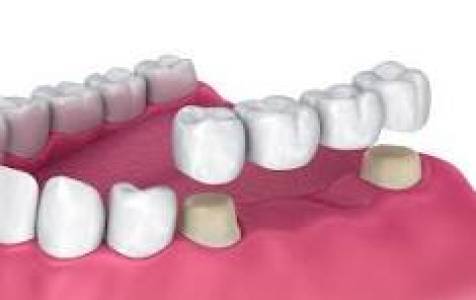
- Preparation for Restorative Dentistry: Sometimes, gum surgery is necessary to prepare the mouth for crowns, bridges, or other dental restorations.
Types of Gum Surgery Procedures
Our clinic offers a comprehensive range of gum surgery options, tailored to your specific needs:
1. Pocket Reduction Surgery (Flap Surgery)
- Purpose: To reduce the depth of periodontal pockets that harbor bacteria and are difficult to clean.
- Procedure: The gums are gently folded back to allow for thorough removal of disease-causing bacteria, calculus (tartar), and infected tissue from the tooth roots. Irregular surfaces of the bone may be smoothed to make it harder for bacteria to accumulate. The gum tissue is then repositioned and secured around the teeth.
- Benefits: Reduces pocket depth, eliminates bacteria, prevents further bone loss, makes daily cleaning more effective.
2. Regenerative Procedures
- Purpose: To regenerate lost bone and gum tissue caused by periodontal disease.
- Procedure: After folding back the gum tissue and removing bacteria, specialized materials are placed to encourage the body's natural ability to regrow bone and tissue. These can include:
- Bone Grafts: Using your own bone, donated bone, or synthetic materials to stimulate new bone growth.
- Guided Tissue Regeneration (GTR): A small membrane (like a bandage) is placed between the gum tissue and the bone to prevent gum tissue from growing into the bone area, allowing bone and ligament cells to repopulate.
- Growth Factors: Proteins that stimulate the body to grow new bone and tissue.
- Benefits: Rebuilds lost bone, reattaches gums to teeth, reduces pocket depth, stabilizes loose teeth.
3. Gingival Grafting (Gum Grafting)
- Purpose: To treat gum recession, cover exposed tooth roots, reduce sensitivity, and protect roots from decay.
- Procedure: Healthy gum tissue is taken from another area of your mouth (usually the palate) or from a donor source and surgically attached to the area of recession. Common types include:
- Connective Tissue Graft: Tissue taken from under the surface of the palate.
- Free Gingival Graft: A small piece of tissue taken directly from the surface of the palate.
- Pedicle Graft: Tissue is harvested from the gum adjacent to the recession and then rotated over to cover the exposed root.
- Benefits: Covers exposed roots, reduces tooth sensitivity, prevents further recession, improves aesthetic appearance, protects against root decay.
4. Crown Lengthening
- Purpose: To remove excess gum tissue and/or bone to expose more of the natural tooth structure.
- Procedure:
- Cosmetic Crown Lengthening: Reshapes the gum line to address a "gummy smile," making teeth appear longer and more proportionate.
- Restorative Crown Lengthening: Performed to expose more tooth structure for placing a crown or other restoration when there isn't enough natural tooth above the gum line.
- Benefits: Improves smile aesthetics, provides adequate tooth structure for successful restorations.
5. Gingivectomy & Gingivoplasty
- Gingivectomy: The surgical removal of excess or diseased gum tissue. Primarily used to treat advanced gum disease where overgrown gum tissue creates deep pockets.
- Gingivoplasty: The reshaping of gum tissue, often for cosmetic purposes, to create a more pleasing and symmetrical gum line. It can also be done in conjunction with gingivectomy to improve contour.
- Benefits: Eliminates diseased tissue, reduces pocket depth, improves gum contour and aesthetics.
The Gum Surgery Process: What to Expect
- Comprehensive Examination: Your journey begins with a thorough examination, including X-rays, 3D imaging (if needed), and a detailed assessment of your gum health to accurately diagnose the condition and develop a personalized treatment plan.
- Pre-Procedure Preparation: You'll receive specific instructions on how to prepare for your surgery, which may include stopping certain medications, antibiotics, or specific oral hygiene routines.
- The Procedure: Gum surgery is performed under local anesthesia to ensure your comfort. Depending on the procedure, it may involve folding back gum tissue, removing bacteria/diseased tissue, reshaping bone, placing grafts, or suturing.
- Post-Operative Care: Detailed instructions will be provided for pain management, diet, oral hygiene, and activity restrictions during your recovery period. Follow-up appointments will be scheduled to monitor healing and remove sutures if necessary.
Advanced Techniques & Technology
We utilize state-of-the-art technology to ensure precision, minimize discomfort, and optimize outcomes:
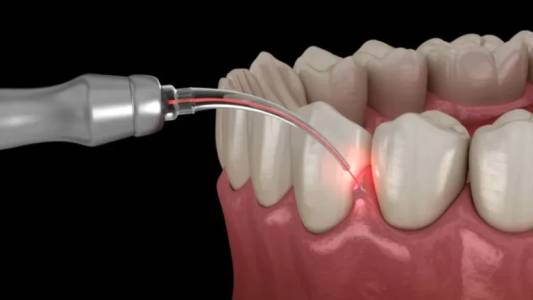
- Laser Periodontal Therapy: In some cases, lasers (e.g., LANAP, LAPIP) can be used to remove diseased tissue and promote regeneration with less bleeding, swelling, and faster recovery.
- Microsurgery: Using specialized instruments and magnification for enhanced precision and less invasive procedures.
- Piezosurgery: Ultrasonic technology for precise and gentle bone reshaping and cutting, reducing trauma to soft tissues.
- 3D Cone Beam CT (CBCT): Provides highly detailed 3D images of your bone structure and teeth, aiding in precise diagnosis and treatment planning.
Recovery & Aftercare
Recovery time varies depending on the type and extent of the surgery. Most patients experience mild to moderate discomfort for a few days, which can be managed with prescribed pain medication. You'll be advised on:
- Dietary Modifications: Soft foods for the initial healing period.
- Oral Hygiene: Gentle brushing and rinsing, avoiding the surgical site.
- Activity Restrictions: Avoiding strenuous activities temporarily.
- Follow-Up Care: Essential appointments to monitor healing, remove sutures, and adjust your long-term oral hygiene regimen.
Is Gum Surgery Right For You?
Don't let gum disease compromise your health and smile. A consultation with our experienced periodontists is the first step towards understanding your condition and exploring the most effective treatment options. We are dedicated to providing compassionate, high-quality care, helping you achieve lasting gum health and a confident smile.
Ready to explore your options for healthier gums?
Contact us today to schedule your comprehensive periodontal consultation.
[Clinic Name] [Address] [Phone Number] [Website]