Description
Here's a detailed product description for Root Canal Therapy, formatted using Markdown:
Root Canal Therapy: Preserve Your Natural Tooth, Eliminate Pain
Is Persistent Tooth Pain or Sensitivity Keeping You From Smiling?
Don't let an infected or damaged tooth compromise your oral health and quality of life. Root Canal Therapy, also known as Endodontic Treatment, is a highly effective and common procedure designed to save your natural tooth, eliminate infection, alleviate pain, and restore your comfort and chewing function.
Forget the outdated myths – modern root canal treatments are typically as comfortable as a routine filling, thanks to advanced techniques and effective local anesthesia.
Key Benefits & Features:
- ⚡ Immediate Pain Relief: Directly addresses the source of deep tooth pain, providing rapid and lasting comfort.
- 🦷 Tooth Preservation: The primary goal is to save your natural tooth, avoiding the need for extraction and maintaining your bite.
- 🚫 Halts Infection Spread: Clears bacteria and infected pulp from the tooth's interior, preventing the spread of infection to other teeth or the jawbone.
- 💪 Restores Oral Health: Eliminates diseased tissue, allowing your tooth to heal and preventing future complications.
- ✨ Maintains Natural Appearance: With a subsequent crown or filling, your treated tooth will look and function just like your other teeth.
- ⏳ Long-Term Solution: A successfully treated and properly restored tooth can last a lifetime with good oral hygiene.
- 🛡️ Prevents Jawbone Deterioration: Avoiding extraction helps maintain the integrity of your jawbone, preventing issues like bone loss.
- 😌 Comfortable Procedure: Performed under local anesthesia, ensuring a pain-free experience during treatment.
How Root Canal Therapy Works (Simplified):
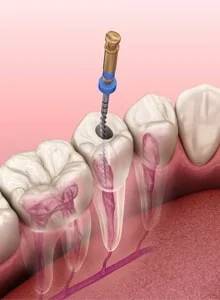
Root Canal Therapy involves treating the soft tissue inside your tooth, called the pulp. This pulp contains nerves, blood vessels, and connective tissue. When the pulp becomes inflamed or infected due to deep decay, repeated dental procedures, cracks, or trauma, a root canal is necessary.
- Anesthesia: The area around the affected tooth is numbed with local anesthesia.
- Access Opening: A small opening is made in the crown of the tooth to access the pulp chamber.
- Cleaning & Shaping: The infected or inflamed pulp is carefully removed from the pulp chamber and root canals. The canals are then cleaned, disinfected, and shaped to prepare them for filling.
- Filling & Sealing: The cleaned canals are filled with a biocompatible material, typically gutta-percha, and sealed with an adhesive cement to prevent re-infection.
- Restoration: The access opening is sealed with a temporary or permanent filling. A dental crown is usually recommended following a root canal to protect the treated tooth from fracture and restore its full function and appearance.
Who Needs Root Canal Therapy? (Indications):
You might be a candidate for root canal therapy if you experience any of the following symptoms:
- Severe toothache pain upon chewing or application of pressure.
- Prolonged sensitivity to hot or cold temperatures, even after the source is removed.
- Discoloration (darkening) of the tooth.
- Swelling and tenderness in the surrounding gums.
- A persistent or recurring "pimple" on the gums (a sign of an abscess).
- A cracked or chipped tooth where the pulp may be exposed or infected.
- Deep decay reaching the pulp chamber.
Why Choose Root Canal Therapy Over Extraction?
While extraction is an option, saving your natural tooth through root canal therapy offers significant advantages:
- Maintain Your Natural Smile: Keep your original teeth for aesthetics and confidence.
- Efficient Chewing: Your natural teeth are designed for optimal chewing function.
- Protect Adjacent Teeth: Prevents shifting of neighboring teeth that can occur with a missing tooth.
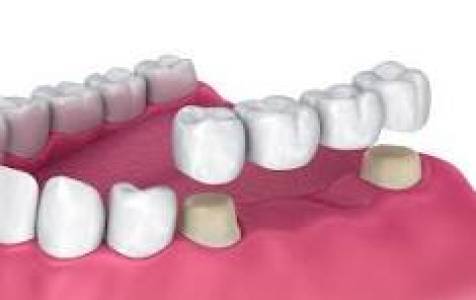
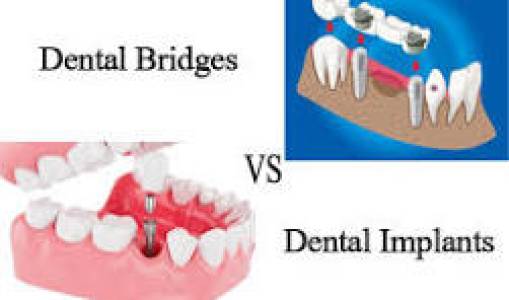
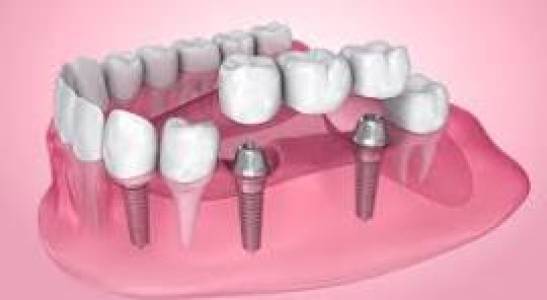
- Cost-Effective in the Long Run: Often less expensive than replacing an extracted tooth with an implant or bridge.
- Preserve Jawbone Health: The root of your natural tooth stimulates the jawbone, preventing bone loss.
What to Expect:
- Before Your Appointment: A thorough examination, including X-rays, will be conducted to diagnose the issue and determine if root canal therapy is the best course of action.
- During Your Treatment: You will be comfortably numb throughout the procedure. Our team prioritizes your comfort and can discuss options for sedation if you experience dental anxiety.
- After Your Treatment: It's normal to experience some mild sensitivity or tenderness for a few days, which can be managed with over-the-counter pain relievers. The tooth will need a final restoration, typically a dental crown, to fully protect and restore it.
Our Commitment to Your Comfort & Care:
We combine advanced technology, state-of-the-art equipment, and a compassionate approach to ensure your root canal experience is as comfortable and successful as possible. Our experienced dental professionals are dedicated to relieving your pain and preserving your natural smile for years to come.
📞 Don't Live With Pain – Schedule Your Consultation Today!
If you're experiencing symptoms of an infected or damaged tooth, don't delay. Early diagnosis and treatment can prevent further complications and save your tooth.
Contact us today to schedule an evaluation and discover how Root Canal Therapy can restore your oral health and bring back your comfortable, confident smile.
Disclaimer: Individual results may vary. This product description provides general information and does not constitute medical advice. Please consult with a qualified dental professional to determine the best course of treatment for your specific needs.