Description
Root Canal Treatment: Save Your Tooth, End Your Pain.
A Comprehensive Solution for Infected or Damaged Tooth Pulp
Experiencing persistent toothache, sensitivity, or swelling around a tooth? Root Canal Treatment (RCT) is a highly effective and common dental procedure designed to treat infection or inflammation deep within your tooth's pulp, ultimately saving your natural tooth from extraction. Often misunderstood, modern root canal techniques make the process comfortable, efficient, and exceptionally successful.
At [Your Clinic Name/Practice Type], we specialize in providing gentle, precise, and state-of-the-art root canal therapy, ensuring you receive the highest standard of care to restore your oral health and eliminate discomfort.
What is Root Canal Treatment?
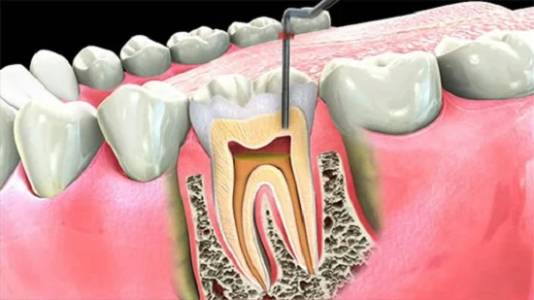
Root canal treatment is a specialized procedure that cleans out the infected or inflamed tissue (pulp) from inside your tooth, disinfects the area, and then fills and seals it to prevent further infection. This treatment allows you to retain your natural tooth, maintaining your bite, chewing function, and aesthetic appearance, rather than opting for extraction and a more complex replacement solution.
Key Features of Our Root Canal Treatment
- Advanced Diagnostics: Utilizing digital X-rays and 3D imaging (if applicable) for precise diagnosis and treatment planning.
- Comfort-Focused Anesthesia: Administered gently to ensure a pain-free experience throughout the procedure.
- Precision Instrumentation: Employment of modern rotary endodontic tools and apex locators for accurate cleaning and shaping of the root canals.
- Thorough Disinfection: Advanced irrigating solutions are used to eliminate bacteria and ensure a sterile environment.
- Biocompatible Filling Materials: Canals are meticulously filled with gutta-percha, a rubber-like material, and sealed with an adhesive cement to prevent re-infection.
- Temporary & Permanent Restoration: After the root canal is completed, a temporary filling is placed. We then ensure appropriate planning for your final restoration (e.g., a dental crown) to protect the treated tooth and restore full function.
- Experienced Team: Performed by skilled general dentists or specialized endodontists with extensive experience in root canal therapy.
Benefits of Choosing Root Canal Treatment
- Eliminates Pain: The primary and most immediate benefit, resolving the severe pain caused by infected or inflamed pulp.
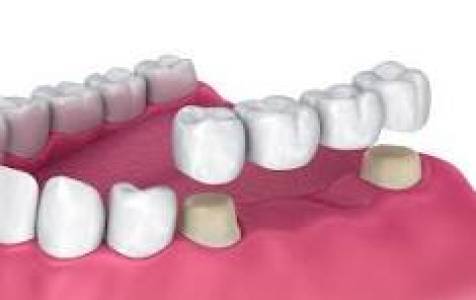
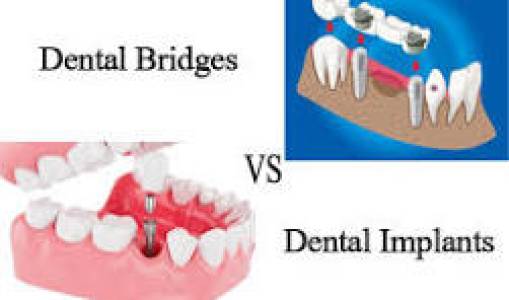
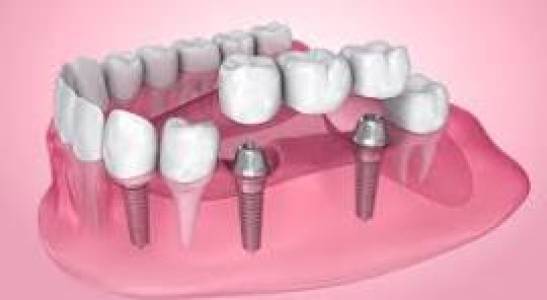
- Saves Your Natural Tooth: Preserves your natural tooth, preventing the need for extraction and the subsequent need for bridges, dentures, or implants.
- Prevents Infection Spread: Stops the spread of infection to other teeth, gums, and potentially other parts of your body.
- Restores Chewing Function: Allows you to continue eating your favorite foods without discomfort or limitations.
- Maintains Oral Aesthetics: Your natural smile remains intact, avoiding gaps caused by missing teeth.
- Cost-Effective Long Term: Often more economical over time compared to the cost of tooth extraction followed by a replacement solution like an implant or bridge.
- High Success Rate: With proper care and a final restoration, treated teeth can last a lifetime.
Who Needs Root Canal Treatment?
You may require root canal treatment if you experience any of the following symptoms:
- Severe toothache that doesn't go away, especially when chewing or applying pressure.
- Prolonged sensitivity to hot or cold temperatures, even after the source is removed.
- Tenderness or swelling in the surrounding gums.
- A "pimple" on the gums (fistula) that may periodically release pus.
- Darkening or discoloration of the tooth.
- Deep decay that has reached the pulp chamber.
- Injury to the tooth (e.g., a crack or chip) that exposes the pulp.
The Root Canal Procedure: What to Expect
- Diagnosis & Planning: A thorough examination, including X-rays, will be conducted to assess the extent of the infection and plan your treatment.
- Anesthesia: Local anesthetic will be administered to numb the affected tooth and surrounding area, ensuring your comfort.
- Access Opening: A small opening is made in the crown of the tooth to access the pulp chamber and root canals.
- Pulp Removal & Cleaning: The infected or inflamed pulp is carefully removed from the pulp chamber and root canals using specialized instruments.
- Shaping & Disinfection: The canals are then shaped and thoroughly cleaned with antiseptic solutions to remove any remaining bacteria and debris.
- Filling (Obturation): Once clean and dry, the canals are filled with a biocompatible material called gutta-percha, typically combined with a sealer cement, to prevent re-infection.
- Restoration: A temporary filling is placed to seal the access opening. A final restoration, usually a custom-made crown, will be recommended and placed in a subsequent appointment to protect the treated tooth from fracture and restore its full function and appearance.
Important Note:
While the thought of a root canal can be daunting, modern techniques and effective anesthesia mean the procedure is often no more uncomfortable than having a regular filling. The pain you feel before the procedure is typically far worse than any discomfort experienced during or after treatment.
Take the First Step Towards a Pain-Free Smile!
Don't let dental pain dictate your life. If you suspect you need a root canal or are experiencing any of the symptoms listed above, prompt treatment is crucial to save your tooth and prevent further complications.
Contact [Your Clinic Name] today at [Your Phone Number] or [Your Website] to schedule a consultation. Our compassionate team is ready to answer your questions and provide the expert care you deserve.