Description
Achieve Your Perfect Smile with Braces & Orthodontics
Dreaming of a straighter, healthier, and more confident smile? Braces and orthodontic treatments are time-tested, effective solutions designed to correct a wide range of dental and jaw alignment issues, transforming not just your smile, but your overall oral health and well-being.
What Are Braces?
Braces are dental appliances used to gently and gradually guide teeth into their optimal positions over time. Comprising brackets, archwires, and bands, they apply continuous, light pressure to slowly move teeth, correcting issues from simple crowding to complex bite problems.
Key Benefits of Orthodontic Treatment:
Investing in orthodontic treatment offers a wealth of advantages that extend far beyond aesthetics:
- Enhanced Aesthetics: Achieve a beautifully straight, uniform smile you'll be proud to show off.
- Improved Oral Health: Straight teeth are easier to clean, reducing the risk of plaque buildup, cavities, and gum disease.
- Better Chewing Function: Correcting misaligned bites can improve your ability to chew food properly, aiding digestion.
- Reduced Wear & Tear: Properly aligned teeth distribute chewing forces evenly, preventing excessive wear on individual teeth.
- Alleviated Jaw Pain (TMD): Correcting bite issues can relieve stress on the jaw joints, reducing symptoms of Temporomandibular Joint Disorder (TMD).
- Improved Speech: Certain speech impediments caused by misaligned teeth or jaws can be corrected.
- Boosted Confidence: A radiant smile can significantly improve self-esteem and social interactions.
Who Can Benefit from Braces?
Orthodontic treatment is suitable for both children and adults. Common conditions corrected by braces include:
- Crowding: When teeth are too close together and overlap.
- Spacing/Gaps: When there's too much space between teeth.
- Overbite: When the upper front teeth significantly overlap the lower front teeth.
- Underbite: When the lower front teeth extend beyond the upper front teeth.
- Crossbite: When upper teeth bite inside the lower teeth.
- Open Bite: When the front upper and lower teeth don't meet when the mouth is closed.
- Misaligned Jaw: Problems with how the upper and lower jaws fit together.
Types of Braces & Orthodontic Solutions:
Modern orthodontics offers a variety of options to suit different needs, lifestyles, and aesthetic preferences:
- Traditional Metal Braces:
- Description: The classic choice, featuring high-grade stainless steel brackets and archwires.
- Pros: Highly durable, extremely effective for complex cases, often the most cost-effective option.
- Cons: Most visible type of braces.
- Ceramic Braces:
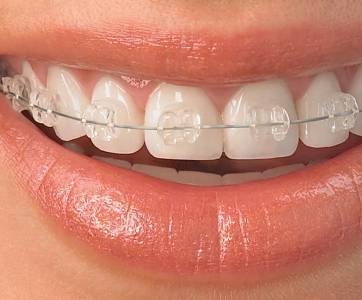
- Description: Similar in design to metal braces, but with clear or tooth-colored ceramic brackets.
- Pros: Less noticeable than metal braces, blending in with your natural tooth color.
- Cons: Can be more fragile than metal, may stain over time (especially with certain foods/drinks), potentially higher cost.
- Self-Ligating Braces:
- Description: Available in both metal and ceramic, these braces use a specialized clip mechanism instead of elastic ties to hold the archwire.
- Pros: May result in fewer and quicker adjustment appointments, potentially less friction and discomfort.
- Cons: May be slightly larger than traditional brackets.
- Lingual Braces:
- Description: Custom-made brackets bonded to the inside (tongue side) surface of your teeth, making them completely invisible from the outside.
- Pros: Truly invisible orthodontic treatment.
- Cons: Can be more expensive, may affect speech initially, potentially less comfortable for the tongue, requires specialized skill from the orthodontist.
- Clear Aligners (e.g., Invisalign®):
- Description: A series of custom-made, virtually invisible plastic trays that gradually shift your teeth. They are removable for eating, brushing, and flossing.
- Pros: Nearly invisible, comfortable, removable (allowing you to eat anything and maintain normal oral hygiene), fewer in-office visits.
- Cons: Requires high patient compliance (must be worn 20-22 hours/day), may not be suitable for extremely complex cases, often higher cost.
The Orthodontic Treatment Process:
- Initial Consultation: A thorough examination, including X-rays, photos, and digital scans, to assess your dental needs and discuss your treatment goals.
- Personalized Treatment Plan: Your orthodontist will design a customized plan, detailing the recommended type of braces, estimated duration, and expected outcomes.
- Appliance Placement: Once your treatment plan is finalized, your braces or aligners will be precisely placed or fitted.
- Regular Adjustments/Check-ups: You'll have periodic appointments (typically every 4-8 weeks) to adjust your braces or receive new sets of aligners, ensuring continuous progress.
- Braces Removal/Treatment Completion: Once your teeth have reached their ideal positions, your braces will be carefully removed, or you will complete your final aligner series.
- Retention Phase: This crucial final step involves wearing a custom-made retainer (fixed or removable) to maintain your new smile and prevent teeth from shifting back.
Life with Braces: What to Expect
- Initial Discomfort: You may experience some soreness or tenderness for a few days after placement and adjustments. This is normal and manageable with over-the-counter pain relievers.
- Dietary Adjustments: Avoid sticky, hard, crunchy foods (e.g., caramels, nuts, popcorn, hard candy) to prevent damage to your braces.
- Oral Hygiene: Meticulous brushing and flossing are essential. Special brushes and techniques may be recommended to clean around brackets and wires effectively.
- Speech: You might notice a slight lisp or change in speech initially, especially with lingual braces, but this usually subsides quickly.
Ready to explore the possibilities for a healthier, more beautiful smile?
Contact us today to schedule your comprehensive orthodontic consultation. Our experienced team is dedicated to providing personalized care and helping you achieve the smile you've always dreamed of.
Disclaimer: The information provided here is for general knowledge and informational purposes only, and does not constitute medical advice. The choice of orthodontic treatment, its duration, and specific outcomes vary based on individual needs and should be determined in consultation with a qualified orthodontist.