Description
Here's a detailed product description for "Root Canal Therapy" (the medical procedure, framed as a service product), formatted in Markdown.
Root Canal Therapy: Restore Your Smile, Relieve Your Pain
Save Your Natural Tooth & Eliminate Discomfort
Don't let severe tooth pain or infection dictate your life. Root Canal Therapy (RCT), also known as endodontic treatment, is a highly effective and common dental procedure designed to save a tooth that has become infected or severely decayed, preventing the need for extraction. Our modern approach focuses on patient comfort, precision, and long-term success, helping you preserve your natural smile.
What is Root Canal Therapy?
Root Canal Therapy is a specialized procedure to remove inflamed or infected pulp from inside a tooth. The pulp is a soft tissue containing nerves, blood vessels, and connective tissue, located within the pulp chamber and root canals. When this pulp becomes damaged or infected due to deep decay, trauma, cracks, or repeated dental procedures, it can cause severe pain and lead to abscess formation, bone loss, and eventually, tooth loss.
During a root canal, the infected pulp is carefully removed, the inside of the tooth is thoroughly cleaned and disinfected, and then filled with a biocompatible material (usually gutta-percha) and sealed. Finally, the tooth is restored, often with a dental crown, to protect it and restore its full function.
Why Might You Need Root Canal Therapy?
You might be a candidate for root canal therapy if you experience any of the following symptoms:
- Persistent Toothache: Ranging from mild sensitivity to severe, throbbing pain that can radiate to your jaw, face, or other teeth.
- Sensitivity to Hot and Cold: Lingering sensitivity even after the stimulus has been removed.
- Swelling: Swelling or tenderness in the gums surrounding the affected tooth.
- Pimple on the Gums (Fistula): A small bump or "pimple" that appears on the gums, indicating an infection draining from the tooth.
- Discoloration of the Tooth: The affected tooth may darken due to internal bleeding or infection.
- Pain Upon Chewing or Biting: Discomfort when putting pressure on the tooth.
- Absence of Pain: In some cases, the nerve may have died, and pain might subside, but the infection persists and can spread.
The Benefits of Root Canal Therapy
Opting for a root canal offers numerous advantages:
- Pain Relief: Eliminates the source of infection and inflammation, providing lasting relief from severe toothache.
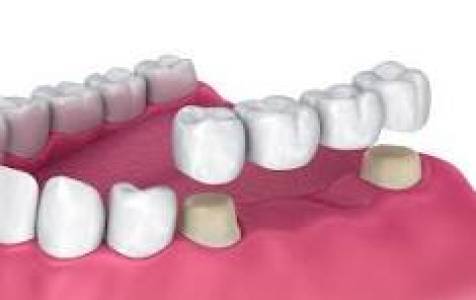
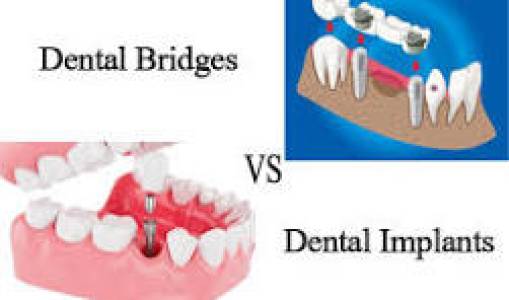
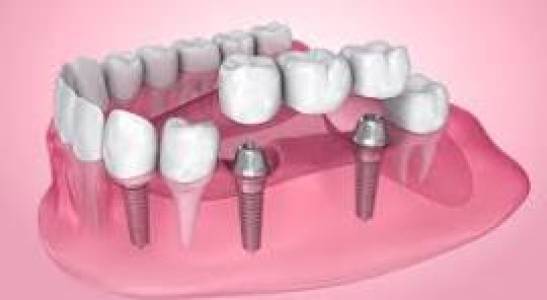
- Saves Your Natural Tooth: Preserves your natural tooth, avoiding the need for extraction and the subsequent complications and costs associated with tooth replacement (implants, bridges).
- Maintains Natural Appearance: Keeps your natural smile intact.
- Preserves Chewing Efficiency: Allows you to continue chewing with confidence and comfort.
- Protects Adjacent Teeth: Prevents shifting of neighboring teeth that can occur after an extraction.
- Cost-Effective: Often more economical in the long run compared to extraction followed by a dental implant or bridge.
- Prevents Spread of Infection: Stops the infection from spreading to other teeth, gums, and potentially other parts of your body.
Our Approach: What to Expect During Your Procedure
We prioritize your comfort and ensure a smooth, efficient root canal experience. The procedure typically involves 1-2 appointments:
- Diagnosis & Anesthesia: We begin with a thorough examination, including X-rays, to accurately diagnose the extent of the infection. Local anesthesia is administered to numb the affected tooth and surrounding area, ensuring a pain-free procedure.
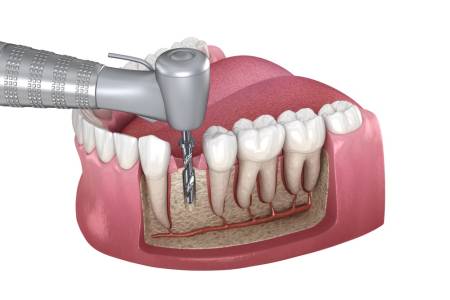
- Access Opening: A small opening is made through the crown of the tooth, providing access to the pulp chamber and root canals.
- Cleaning & Shaping: Using specialized instruments (files), the infected pulp, bacteria, and decayed nerve tissue are carefully removed from the root canals. The canals are then thoroughly cleaned, disinfected, and shaped to prepare them for filling.
- Filling & Sealing: The cleaned and shaped canals are filled with a biocompatible, rubber-like material called gutta-percha, which helps to prevent re-infection. A special adhesive cement is used to seal the canals completely.
- Temporary Restoration: A temporary filling is placed in the access opening to protect the tooth until your final restoration.
- Final Restoration (Crown): In a subsequent visit, or sometimes immediately, a permanent restoration – often a custom-made dental crown – is placed over the treated tooth. This is crucial to protect the now brittle tooth from fracture and restore its strength and function.
After Your Procedure: Care and Recovery
- Mild Discomfort: It's normal to experience some mild sensitivity or discomfort for a few days after the procedure, especially during chewing. Over-the-counter pain relievers can help manage this.
- Avoid Chewing: Until your permanent crown is placed, try to avoid chewing on the treated tooth to prevent fracture.
- Oral Hygiene: Continue to practice excellent oral hygiene, including brushing and flossing regularly.
- Follow-Up: Attend your follow-up appointment to receive your permanent crown or restoration, which is vital for the long-term success of the root canal.
- Longevity: With proper care, a restored tooth can last a lifetime.
Frequently Asked Questions (FAQs)
- Is a root canal painful? No! With modern anesthesia and techniques, the procedure itself is often no more uncomfortable than a routine filling. Its primary purpose is to relieve the severe pain caused by infection.
- How long does a root canal take? A single root canal appointment typically lasts between 60 to 90 minutes, depending on the complexity of the tooth.
- How long will the treated tooth last? With proper restoration and good oral hygiene, a tooth that has had root canal treatment can last a lifetime.
- What if I don't get a root canal? Delaying treatment allows the infection to spread, leading to more pain, abscess formation, bone loss, and ultimately, the loss of the tooth, requiring extraction.
Don't Let Pain Linger!
If you are experiencing tooth pain or suspect you might need root canal therapy, don't delay. Early diagnosis and treatment can save your tooth and prevent further complications.
Contact us today to schedule your consultation and take the first step towards a pain-free, healthy smile!
Disclaimer: This product description is for informational purposes only and does not constitute medical advice. Please consult with a qualified dental professional for a proper diagnosis and treatment plan tailored to your specific needs.