Description
Endodontic Treatment: Preserving Your Natural Smile, Eliminating Pain
Overview
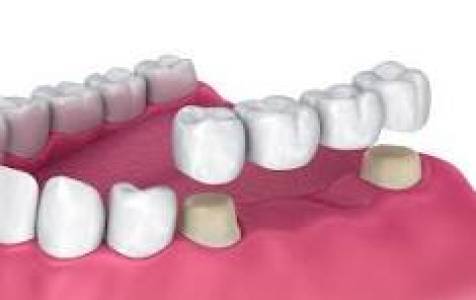
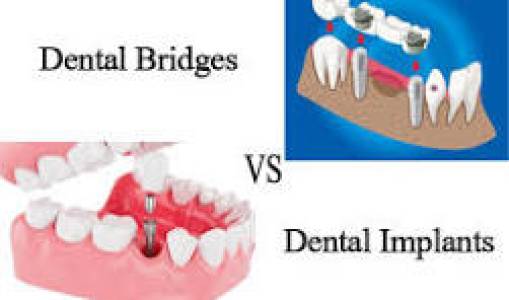
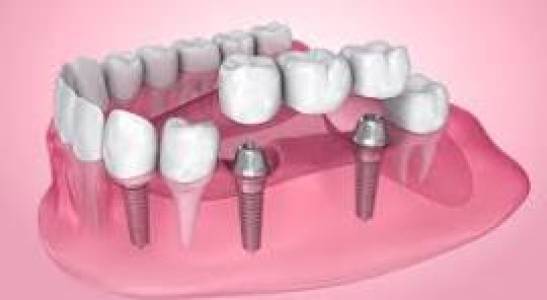
Endodontic treatment, commonly known as a root canal, is a highly effective dental procedure designed to save a tooth that has become infected or severely damaged due to decay, trauma, or cracks. Far from the outdated myths, modern root canal therapy is a sophisticated, comfortable, and pain-relieving solution that allows you to retain your natural tooth, preventing the need for extraction and costly replacements like implants or bridges.
Our goal is to alleviate your pain, eliminate infection, and restore your tooth to its healthy, functional state, ensuring your smile remains intact for years to come.
What is Endodontic Treatment?
At the core of every tooth is a soft tissue called the pulp, which contains nerves, blood vessels, and connective tissue. When the pulp becomes infected or inflamed – often due to deep decay, repeated dental procedures, a crack or chip in the tooth, or trauma – it can cause severe pain, sensitivity, and even lead to an abscess.
Endodontic treatment involves:
- Carefully removing the infected or inflamed pulp.
- Thoroughly cleaning and shaping the inside of the root canal system.
- Filling the disinfected space with a biocompatible material (typically gutta-percha).
- Sealing the canal to prevent further infection.
- Placing a temporary filling, followed by a permanent restoration (like a crown) to protect the tooth and restore its full function.
Key Benefits of Endodontic Treatment
- Eliminates Pain & Discomfort: The primary benefit is the immediate relief from severe toothache caused by infection or inflammation.
- Saves Your Natural Tooth: Avoids the need for extraction, preserving your natural bite, chewing function, and facial aesthetics.
- Prevents Spread of Infection: Stops harmful bacteria from spreading to other teeth, gums, or even into the bloodstream.
- Restores Oral Function: Allows you to chew and speak normally without pain or sensitivity.
- Maintains Aesthetics: Keeps your natural smile intact, preventing gaps that can arise from tooth loss.
- Cost-Effective in the Long Run: Often more affordable than extracting a tooth and replacing it with an implant or bridge.
- High Success Rate: With proper care, a treated tooth can last a lifetime.
When is Endodontic Treatment Needed?
You might require endodontic treatment if you experience any of the following symptoms or conditions:
- Persistent Tooth Pain: Spontaneous, throbbing pain that lingers, especially at night.
- Sensitivity to Hot and Cold: Prolonged sensitivity to temperature changes, even after the source is removed.
- Tenderness to Touch and Chewing: Pain when biting or applying pressure to the tooth.
- Swelling: Around the infected tooth, in the gums, cheek, or even the face.
- Pimple-like Bump on the Gums (Fistula): Indicating an abscess that is draining.
- Tooth Discoloration: A darkening of the tooth, suggesting nerve damage.
- Deep Decay: That has reached the pulp chamber.
- Trauma to the Tooth: A chip, crack, or severe blow that has damaged the pulp.
- Abscess Formation: An infection at the root tip, visible on X-rays.
The Endodontic Procedure: What to Expect
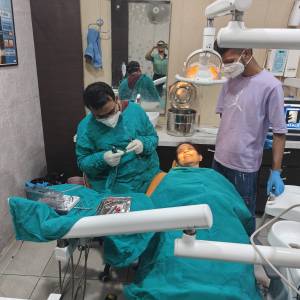
Our team prioritizes your comfort throughout the entire process. The procedure typically involves 1-2 appointments:
- Diagnosis & Planning: We'll conduct a thorough examination, including digital X-rays and vitality tests, to confirm the diagnosis and plan your personalized treatment.
- Anesthesia: Local anesthetic will be administered to numb the tooth and surrounding area, ensuring a pain-free experience.
- Isolation: A rubber dam (a small protective sheet) is placed around the tooth to keep it dry and free from saliva during treatment, maintaining a sterile environment.
- Access Opening: A small opening is made in the crown of the tooth to access the pulp chamber and root canals.
- Pulp Removal & Cleaning: Using specialized, flexible instruments (often rotary files), the infected or inflamed pulp tissue is carefully removed. The root canal system is meticulously cleaned, shaped, and disinfected.
- Filling & Sealing: Once thoroughly cleaned, the root canals are filled with a biocompatible material called gutta-percha, which is then sealed to prevent re-infection.
- Temporary Restoration: A temporary filling is placed to seal the opening in your tooth until your permanent restoration is applied.
- Permanent Restoration (Crown/Filling): This crucial final step, often performed by your general dentist, involves placing a permanent crown or filling to protect the treated tooth from fracture and restore its full strength and function. This is vital for the long-term success of the root canal.
Our Commitment to Excellence
- Experienced Endodontists/Dentists: Our team has extensive training and experience in advanced endodontic techniques.
- State-of-the-Art Technology: We utilize modern equipment such as dental operating microscopes for enhanced visibility, digital X-rays for reduced radiation, and rotary instruments for precise and efficient cleaning.
- Patient-Centered Comfort: We employ gentle techniques, provide comprehensive pain management, and offer amenities to ensure your experience is as comfortable and stress-free as possible.
- Sterilization Protocols: We adhere to the highest standards of sterilization and infection control for your safety.
- Comprehensive Care: We work closely with your general dentist to ensure seamless, integrated care from diagnosis to final restoration.
Post-Treatment Care
- Mild Discomfort is Normal: It's common to experience some mild soreness or sensitivity for a few days after the procedure, which can be managed with over-the-counter pain relievers.
- Avoid Chewing on the Treated Tooth: Until your permanent crown or filling is placed, avoid chewing hard foods on the treated tooth to prevent fracture.
- Maintain Oral Hygiene: Continue regular brushing, flossing, and professional dental check-ups.
- Follow-Up: Ensure you return for your permanent restoration appointment as advised by your dentist.
Don't Let Tooth Pain Control Your Life!
If you're experiencing symptoms of a tooth infection or have been told you need a root canal, don't delay. Early intervention can prevent further complications and ensure the best possible outcome for your dental health.
Contact us today to schedule a consultation and learn how endodontic treatment can save your natural tooth and restore your comfort and smile!
Disclaimer: This product description is for informational purposes only and does not constitute medical advice. Please consult with a qualified dental professional for diagnosis and treatment recommendations based on your individual needs and health conditions.