Description
Here's a detailed product description for Endodontics / Root Canal Therapy, formatted in Markdown:
Endodontics / Root Canal Therapy: Save Your Natural Smile
Experiencing persistent tooth pain, sensitivity, or swelling? You might be suffering from an infected or inflamed tooth pulp, a condition that can threaten the health of your entire tooth and even your overall oral well-being. Root canal therapy, a specialized endodontic procedure, is a highly effective and commonly performed treatment designed to alleviate pain, remove infection, and most importantly, save your natural tooth.
What is Endodontics / Root Canal Therapy?
Endodontics is the branch of dentistry concerned with the study and treatment of the dental pulp – the soft tissue inside your tooth that contains nerves, blood vessels, and connective tissue.
Root canal therapy is a precise procedure performed when the pulp becomes infected, inflamed, or damaged due to deep decay, trauma, repeated dental procedures on the tooth, or a crack/chip in the tooth. The goal is to:
- Remove the diseased or damaged pulp.
- Clean and disinfect the inside of the tooth and its root canals.
- Fill and seal the space to prevent further infection.
- Restore the tooth with a crown or filling to protect it and return it to full function.
Contrary to common misconceptions, modern root canal therapy is very similar to a routine filling and is typically performed with local anesthetic, making it a comfortable and virtually pain-free experience.
Key Benefits of Root Canal Therapy
Choosing root canal therapy offers numerous advantages for your oral health and quality of life:
- Effective Pain Relief: Immediately eliminates the source of the infection and inflammation, providing significant relief from severe toothache.
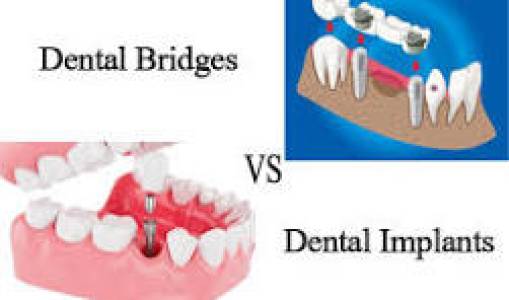
- Save Your Natural Tooth: Prevents the need for tooth extraction, allowing you to keep your original tooth and avoid more complex and costly procedures like bridges or dental implants.
- Prevent Spread of Infection: Stops bacteria from spreading to other teeth, gums, and even into your bloodstream, protecting your overall health.
- Maintain Natural Bite and Chewing Function: Preserving your natural tooth means maintaining the proper alignment of your teeth and the ability to chew efficiently and comfortably.
- Restore Aesthetics: A treated and properly restored tooth (often with a crown) will look and function just like your other natural teeth.
- Cost-Effective Long-Term Solution: Saving your natural tooth is often more economical in the long run compared to extraction followed by prosthetic replacements.
- Efficient & Comfortable Procedure: With modern techniques and anesthesia, the procedure is often completed in one or two visits with minimal discomfort.
When is Root Canal Therapy Needed?
You may require root canal therapy if you experience any of the following symptoms:
- Severe, persistent toothache that may radiate to your jaw, ear, or head.
- Prolonged sensitivity to hot or cold temperatures, even after the source is removed.
- Tenderness or pain when chewing or biting.
- Swelling and tenderness in the surrounding gums or a "pimple-like" bump on the gums (a dental abscess).
- Discoloration or darkening of the tooth.
- Chipped or cracked tooth that exposes the pulp.
- Deep decay that has reached the pulp chamber.
If you notice any of these signs, it's crucial to schedule a dental examination promptly. Early diagnosis and treatment can prevent further complications and improve the success rate of the procedure.
The Root Canal Procedure: What to Expect
Root canal therapy is a multi-step process, typically completed in one or two appointments:
- Diagnosis & Anesthesia: Your dentist will take X-rays and perform a thorough examination to confirm the diagnosis. The tooth and surrounding area will then be numbed with local anesthetic to ensure you are comfortable throughout the procedure.
- Access Opening: A small opening is made in the top of the tooth (the crown) to access the pulp chamber and root canals.
- Cleaning & Shaping: Tiny instruments are used to carefully remove the infected or inflamed pulp, bacteria, and debris from the pulp chamber and the intricate canal system. The canals are then shaped to be ready for filling.
- Disinfection: The cleaned canals are thoroughly irrigated with antimicrobial solutions to eliminate any remaining bacteria.
- Filling & Sealing (Obturation): Once the canals are meticulously cleaned and dried, they are filled with a biocompatible material, usually a rubber-like compound called gutta-percha, and sealed with an adhesive cement to prevent re-infection.
- Temporary Filling: A temporary filling is placed in the access opening to protect the tooth until the final restoration.
- Permanent Restoration: In most cases, a dental crown is placed over the treated tooth during a subsequent visit. This crown provides essential protection, reinforces the tooth's structure, and restores its full function and appearance. Without a final restoration, the treated tooth is vulnerable to fracture.
Aftercare & Recovery
Following your root canal therapy, you might experience some mild tenderness or sensitivity for a few days, which can typically be managed with over-the-counter pain relievers.
- Avoid chewing on the treated tooth until your permanent restoration (crown or final filling) is placed.
- Maintain excellent oral hygiene with regular brushing and flossing.
- Attend your follow-up appointment for the permanent restoration, which is critical for the long-term success of the treatment.
- Continue with regular dental check-ups to monitor your treated tooth and overall oral health.
With proper care and a good final restoration, a tooth treated with root canal therapy can last a lifetime.
Don't Let Tooth Pain Dictate Your Life
If you suspect you need root canal therapy, or are experiencing any symptoms of dental infection, don't delay seeking professional help. Modern endodontic techniques make this procedure highly successful and comfortable, allowing you to get back to enjoying a healthy, pain-free smile.
Contact us today to schedule a consultation and discover how root canal therapy can preserve your natural tooth and restore your oral health. Our team is dedicated to providing gentle, effective, and compassionate care.