Description
Here's a detailed product description for Root Canal Treatment, formatted in Markdown:
Root Canal Treatment: Save Your Natural Smile & End Dental Pain
Reclaim Your Comfort and Preserve Your Tooth with Expert Care
Experiencing severe tooth pain, lingering sensitivity, or swelling around a tooth? You might be facing an infected or inflamed tooth pulp – a condition that, if left untreated, can lead to tooth loss and spread of infection. At [Your Practice Name Here], our advanced Root Canal Treatment (also known as Endodontic Therapy) is designed to effectively eliminate pain, eradicate infection, and preserve your natural tooth, allowing you to smile, chew, and speak with confidence once again.
What is Root Canal Treatment?
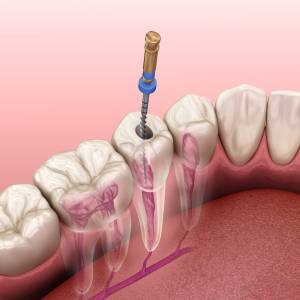
Root canal treatment is a specialized dental procedure performed to save a tooth that has severely decayed, cracked, or sustained trauma, leading to infection or inflammation of the pulp (the soft tissue inside your tooth containing nerves and blood vessels). During the procedure, the infected or damaged pulp is carefully removed, the inside of the tooth is thoroughly cleaned and disinfected, and then it's filled and sealed to prevent further infection.
Key Benefits of Root Canal Treatment
Choosing root canal treatment at [Your Practice Name Here] offers numerous advantages:
- Effective Pain Relief: Immediately eliminates the throbbing, persistent pain caused by an infected tooth.
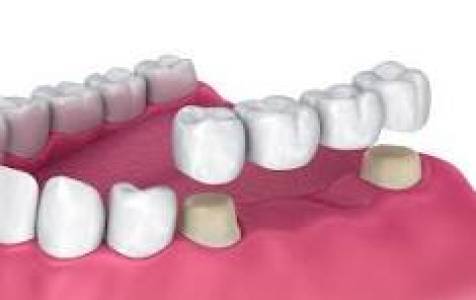
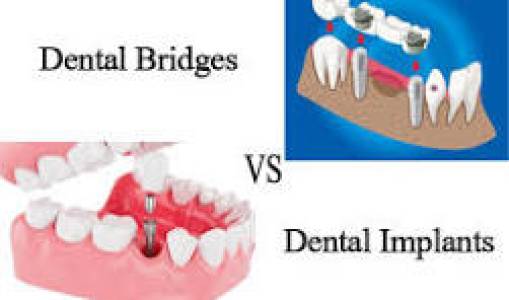
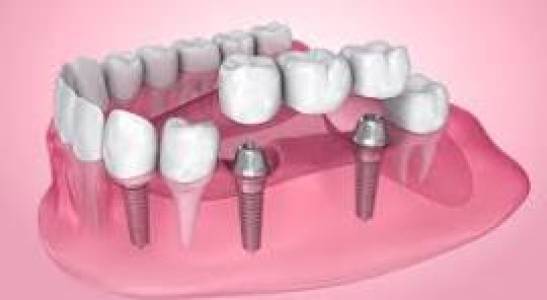
- Save Your Natural Tooth: Preserves your original tooth, preventing the need for extraction and costly replacements like implants or bridges.
- Prevent Infection Spread: Stops the infection from spreading to surrounding teeth, gums, and even other parts of your body.
- Restore Chewing Function: Allows you to chew normally and comfortably on the treated tooth.
- Maintain Facial Aesthetics: Prevents changes in your bite or the shifting of adjacent teeth that can occur with tooth loss.
- Cost-Effective: Often a more economical long-term solution compared to tooth extraction followed by a prosthetic replacement.
- Long-Lasting Results: With proper care and a final restoration (like a crown), a root-canal-treated tooth can last a lifetime.
Signs You Might Need a Root Canal
If you experience any of the following symptoms, it's crucial to schedule a dental examination promptly:
- Severe Toothache: Persistent pain, especially when chewing or applying pressure.
- Prolonged Sensitivity: Lingering sensitivity to hot or cold temperatures, even after the source is removed.
- Swollen, Tender Gums: Swelling or tenderness in the gums near the affected tooth.
- Pimple-Like Bump: A small, pimple-like bump on the gums (fistula), which may indicate an infection.
- Darkening of the Tooth: Discoloration of the tooth.
- Persistent or Recurring Pimples on the Gums: Indicating pus drainage from an infected tooth.
- Pain on Biting or Chewing: Discomfort when using the tooth.
Only a thorough dental examination and X-rays can definitively determine if you need a root canal.
Our Root Canal Treatment Process
At [Your Practice Name Here], we prioritize your comfort and ensure a precise, efficient procedure:
- Comprehensive Diagnosis: We begin with a thorough examination, including digital X-rays, to accurately diagnose the extent of the infection and assess the tooth's structure.
- Local Anesthesia: We administer a local anesthetic to completely numb the area around the affected tooth, ensuring a pain-free experience during the procedure.
- Access Opening: A small opening is created in the crown of the tooth to access the pulp chamber and root canals.
- Cleaning & Shaping: Using specialized instruments, the infected or inflamed pulp is carefully removed. The root canals are meticulously cleaned, disinfected, and shaped to prepare them for filling.
- Filling & Sealing: The cleaned root canals are filled with a biocompatible material, typically gutta-percha, and sealed with an adhesive cement to prevent re-infection.
- Temporary Restoration: A temporary filling is placed to protect the tooth until your permanent restoration.
- Permanent Restoration: In most cases, a crown is recommended after root canal treatment to protect the tooth from fracture and restore its full function and appearance. This usually occurs in a separate appointment.
- Follow-Up: We provide detailed aftercare instructions and schedule follow-up appointments to monitor your healing and ensure the long-term success of your treatment.
Why Choose [Your Practice Name Here] for Your Root Canal?
- Experienced Endodontic Team: Our dentists have extensive experience and advanced training in endodontic procedures, ensuring precise and effective treatment.
- State-of-the-Art Technology: We utilize advanced tools like digital X-rays, dental microscopes, and rotary endodontic instruments for enhanced accuracy, efficiency, and patient comfort.
- Patient-Centered Care: Your comfort and well-being are our top priorities. We offer various sedation options for anxious patients and ensure a gentle, compassionate approach throughout your visit.
- Minimally Invasive Techniques: We strive for conservative treatment, preserving as much of your natural tooth structure as possible.
- Transparent Communication: We explain every step of the process, answer all your questions, and discuss all treatment options and costs upfront.
- Comprehensive Follow-Up: We are dedicated to your long-term oral health and provide thorough post-treatment care and guidance.
Frequently Asked Questions (FAQs) About Root Canal Treatment
Q: Is root canal treatment painful? A: Thanks to modern anesthetics and advanced techniques, root canal treatment is typically no more uncomfortable than getting a filling. Most patients report feeling little to no pain during the procedure. The goal is to relieve pain, not cause it.
Q: How long does a root canal take? A: The duration varies depending on the complexity of the tooth (e.g., molars have more canals than front teeth). Most root canal treatments can be completed in one or two appointments, each lasting between 60-90 minutes.
Q: What should I expect after a root canal? A: You may experience some mild sensitivity or discomfort for a few days, which can usually be managed with over-the-counter pain relievers. We'll provide specific post-care instructions. It's crucial to return for your permanent crown or filling to protect the treated tooth.
Q: Can a root canal-treated tooth get another infection? A: While highly successful, a treated tooth can, in rare cases, become reinfected. This might be due to new decay, a fractured filling or crown, or incomplete sealing of the canals.
Q: Is it better to get a root canal or have the tooth extracted? A: Whenever possible, saving your natural tooth with a root canal is the preferred option. Preserving your natural tooth helps maintain your bite, prevents adjacent teeth from shifting, and avoids the need for more extensive and costly treatments like bridges or dental implants.
Reclaim Your Comfort and Smile!
Don't let dental pain dictate your life. If you're experiencing symptoms of an infected or damaged tooth, contact [Your Practice Name Here] today to schedule your consultation. Our compassionate team is ready to provide the expert care you need to restore your oral health and preserve your beautiful natural smile.
[Your Practice Name Here] [Your Address] [Your Phone Number] [Your Website]
Disclaimer: This product description is for informational purposes only and does not constitute medical advice. A comprehensive dental examination and diagnosis by a qualified dental professional are necessary to determine the appropriate treatment for your specific condition.