Description
This detailed product description outlines the various aspects of "Gum Surgery" as a professional dental service.
Comprehensive Gum Surgery Solutions: Restoring Your Oral Health & Smile
Reclaim Your Gum Health and Protect Your Future Smile
Gum surgery, also known as periodontal surgery, is a specialized dental procedure designed to treat advanced gum disease (periodontitis), correct gum recession, regenerate lost bone and tissue, and improve the aesthetic appearance of your gums. Performed by highly skilled periodontists, these procedures are crucial for preventing tooth loss, eliminating chronic infection, and supporting your overall health.
If you're experiencing persistent gum bleeding, swelling, deep pockets around your teeth, gum recession, or loose teeth, gum surgery may be the vital step you need to restore the foundation of your oral health.
Key Benefits of Gum Surgery
Investing in gum surgery offers a multitude of long-term benefits for your oral and systemic health:
- Halts Disease Progression: Effectively removes bacteria and tartar from deep pockets, stopping the advance of periodontal disease.
- Prevents Tooth Loss: Stabilizes teeth by reducing pocket depth and regenerating lost bone and tissue, preventing premature tooth loss.
- Reduces Inflammation & Bleeding: Eliminates the chronic infection that causes painful, swollen, and bleeding gums.
- Eliminates Bad Breath (Halitosis): Addresses the underlying bacterial cause of persistent bad breath.
- Improves Gum Aesthetics: Corrects uneven gum lines, covers exposed tooth roots, and creates a more balanced, healthy-looking smile.
- Reduces Tooth Sensitivity: Gum grafts can cover exposed roots, significantly reducing sensitivity to hot and cold.
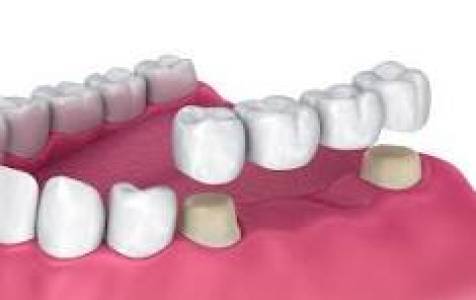
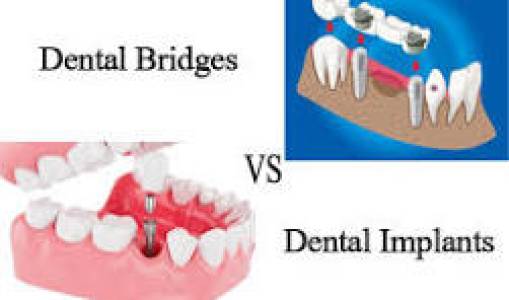
- Prepares for Restorative Work: Creates a healthier foundation for crowns, bridges, or dental implants.
- Enhances Overall Health: Reduces the systemic inflammation linked to heart disease, diabetes, and other chronic conditions.
Types of Gum Surgery Procedures
Our experienced periodontists offer a range of advanced surgical techniques tailored to your specific needs:
1. Pocket Reduction Surgery (Flap Surgery)
- Purpose: To reduce the depth of periodontal pockets that harbor bacteria and cannot be reached with routine cleaning.
- Procedure: The gums are gently lifted back to remove disease-causing bacteria and smooth damaged bone. The gum tissue is then securely sutured back into place, reducing pocket depth and making it easier to maintain oral hygiene.
2. Gingival Grafts (Gum Grafts)
- Purpose: To cover exposed tooth roots due to gum recession, reduce sensitivity, prevent further recession, and improve aesthetics.
- Types:
- Connective Tissue Graft: Tissue is taken from under the surface of the palate and used to cover exposed roots.
- Free Gingival Graft: A small piece of tissue is taken directly from the surface of the palate.
- Pedicle Graft: Tissue is repositioned from gum adjacent to the receded area.
- Alloderm Graft: Utilizes donor tissue for those who prefer not to use their own palatal tissue.
3. Bone Grafting
- Purpose: To regenerate bone lost due to periodontal disease, providing a stronger foundation for teeth and preparing the jaw for dental implants.
- Procedure: Bone fragments (from your own body, a donor, or synthetic material) are placed where bone has been lost. This material acts as a scaffold for new bone growth.
4. Guided Tissue Regeneration (GTR)
- Purpose: To stimulate the growth of new gum tissue and bone where it has been destroyed by disease.
- Procedure: A small mesh-like fabric (membrane) is placed between the gum tissue and the bone. This barrier prevents gum tissue from growing into the area where bone and ligament regeneration is desired, allowing slower-growing bone cells to proliferate.
5. Crown Lengthening
- Purpose: To expose more of the natural tooth structure, either for cosmetic reasons (treating a "gummy smile") or to prepare a tooth for a crown or other restoration when there isn't enough tooth structure above the gum line.
- Procedure: A small amount of gum tissue, and sometimes bone, is removed to reveal more of the tooth.
The Gum Surgery Process: What to Expect
- Comprehensive Consultation & Diagnosis: A thorough examination, including X-rays and periodontal charting, to assess the extent of your gum disease or recession and determine the most appropriate treatment plan.
- Personalized Treatment Plan: Your periodontist will discuss all options, explain the recommended procedure(s) in detail, including expected outcomes, potential risks, and recovery.
- Preparation: Pre-surgical instructions will be provided, which may include antibiotics or specific oral hygiene practices.
- The Surgical Procedure: Performed under local anesthesia, often with additional sedation options (nitrous oxide, oral sedation, IV sedation) available for your comfort. The duration varies depending on the complexity and type of surgery.
- Post-Surgical Care & Instructions: Detailed guidance on managing discomfort, diet, medication, and oral hygiene during your recovery period.
- Follow-up Appointments: Essential for monitoring healing, removing sutures, and ensuring optimal long-term results.
Who Needs Gum Surgery?
Gum surgery is typically recommended for individuals who:
- Have advanced periodontitis that hasn't responded to non-surgical treatments like scaling and root planing.
- Exhibit deep periodontal pockets (4mm or more) that are difficult to clean.
- Suffer from significant bone loss around their teeth.
- Are experiencing noticeable gum recession with exposed tooth roots.
- Have aesthetic concerns due to a "gummy smile" or uneven gum line.
- Require increased tooth exposure for successful restorative procedures (e.g., crowns).
Post-Procedure Care and Recovery
Following gum surgery, proper home care is critical for successful healing and long-term results. You can expect:
- Mild Discomfort & Swelling: Managed with prescribed pain relievers and ice packs.
- Dietary Restrictions: A soft diet will be recommended for a period.
- Modified Oral Hygiene: Specific instructions for gentle cleaning around the surgical site.
- Activity Limitations: Avoiding strenuous activity for a few days.
- Follow-up Visits: Crucial for monitoring healing and ensuring optimal outcomes.
Your periodontist will provide comprehensive post-operative instructions and support throughout your recovery.
Why Choose Our Practice for Your Gum Surgery?
- Experienced Periodontal Specialists: Our board-certified periodontists possess extensive training and expertise in the latest surgical techniques.
- State-of-the-Art Technology: Utilizing advanced equipment for precise diagnosis and minimally invasive procedures, ensuring optimal results and faster recovery.
- Personalized, Compassionate Care: We prioritize your comfort and understanding, offering tailored treatment plans and a supportive environment.
- Commitment to Excellence: Our focus is on achieving long-lasting health, function, and aesthetics for your gums and smile.
- Comprehensive Follow-up: Dedicated to your long-term success with thorough post-operative care and maintenance programs.
Ready to Restore Your Gum Health?
Don't let gum disease compromise your health or your smile. Gum surgery can provide a lasting solution, helping you achieve a healthier, more confident future.
Contact us today to schedule your comprehensive consultation and discover how our expert periodontal team can help you reclaim your oral health.
[Your Practice Name] [Your Address] [Phone Number] [Email Address] [Website]
Disclaimer: This product description provides general information about gum surgery. It is not a substitute for professional medical advice, diagnosis, or treatment. Always consult with a qualified periodontist or dental professional to discuss your specific condition and treatment options. Individual results may vary.