Description
Here is a detailed product description for Root Canal Treatment, formatted in Markdown:
Root Canal Treatment: Save Your Natural Tooth & End Pain
Are you experiencing persistent tooth pain, sensitivity to hot and cold, or swelling around a tooth? Don't let dental discomfort dictate your life. Root Canal Treatment (RCT) is a highly effective, modern dental procedure designed to save your natural tooth, eliminate infection, and restore your oral health without the need for extraction.
What is Root Canal Treatment?
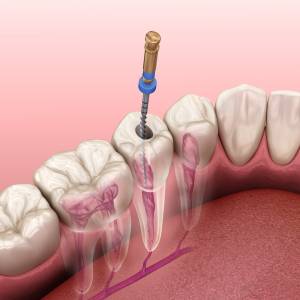
At its core, a root canal removes infected or inflamed pulp (the soft tissue inside your tooth containing nerves and blood vessels) from within the tooth's root canals. Once the infected pulp is removed, the inside of the tooth is carefully cleaned, disinfected, and shaped, then filled and sealed to prevent further infection. Finally, the tooth is restored with a crown or filling to protect it and return it to full function.
Why is a Root Canal Necessary? Signs You Might Need One:
A root canal becomes necessary when the pulp inside your tooth becomes inflamed or infected. This can happen due to:
- Deep decay
- Repeated dental procedures on the tooth
- A crack or chip in the tooth
- Trauma to the tooth
Common signs that you might need a root canal include:
- Persistent Tooth Pain: Ranging from mild to severe, constant throbbing, or sharp pain when chewing.
- Sensitivity to Hot and Cold: Lingering sensitivity even after the source of heat or cold has been removed.
- Swelling and Tenderness: Around the affected tooth or in the surrounding gums.
- Pimple-Like Bump on the Gums: A "fistula" that indicates pus draining from an infected tooth.
- Tooth Discoloration: Darkening of the tooth, often indicating nerve damage.
- Pain or Swelling in the Jaw or Face.
The Procedure: A Step-by-Step Guide
Thanks to advanced techniques and local anesthesia, modern root canal treatment is often no more uncomfortable than getting a standard filling. Here's what you can expect:
- Diagnosis & Anesthesia: Your dentist will take X-rays and examine the tooth to confirm the diagnosis. Local anesthesia will be administered to numb the tooth and surrounding area, ensuring you are comfortable throughout the procedure.
- Isolation: A small protective sheet called a dental dam is placed over the area to keep the tooth clean, dry, and free from saliva during the treatment.
- Access Opening: A small opening is made in the crown of the tooth to access the pulp chamber and root canals.
- Pulp Removal: The infected or inflamed pulp is carefully removed from the pulp chamber and root canals using specialized instruments.
- Cleaning & Shaping: The root canals are thoroughly cleaned, disinfected, and shaped to prepare them for filling.
- Filling & Sealing: The cleaned canals are filled with a biocompatible, rubber-like material called gutta-percha and sealed with adhesive cement to prevent re-infection.
- Restoration: A temporary filling is placed in the access opening. A final restoration, such as a dental crown or permanent filling, will be placed at a subsequent appointment to protect the tooth from fracture and restore its full function and appearance.
Benefits of Root Canal Treatment:
- Eliminates Pain & Infection: Directly addresses the source of your discomfort and prevents the spread of infection.
- Saves Your Natural Tooth: Avoids the need for extraction, preserving your natural smile and bite.
- Prevents Further Problems: Stops infection from spreading to other teeth or into the jawbone, which can lead to more serious health issues.
- Restores Chewing & Speaking: Allows you to chew normally and speak clearly without discomfort.
- A Long-Lasting Solution: With proper care and a final restoration (like a crown), a root canal-treated tooth can last a lifetime.
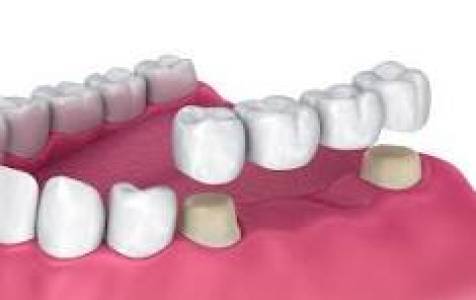
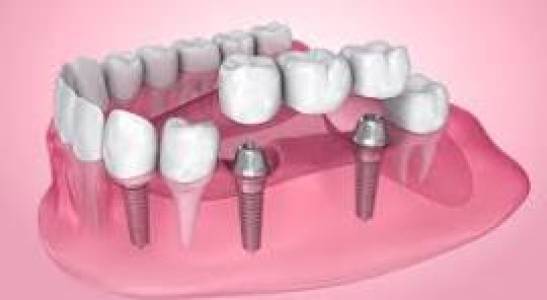
- Cost-Effective in the Long Run: Often more economical than extraction and replacement options like bridges or implants.
Post-Treatment Care & What to Expect:
After your root canal, it's normal to experience some mild sensitivity or tenderness for a few days, especially if there was infection before the procedure. This can usually be managed with over-the-counter pain relievers.
- Avoid chewing hard or sticky foods on the treated tooth until your final restoration (crown or permanent filling) is placed.
- Continue with good oral hygiene practices: brush and floss regularly.
- Attend your follow-up appointment for the placement of your permanent crown or filling. This is crucial for the long-term success and protection of the treated tooth.
Don't Delay: The Risks of Untreated Infection
Ignoring the symptoms of an infected tooth can lead to serious consequences, including:
- Spread of infection to other parts of your body, potentially becoming life-threatening.
- Development of a painful abscess.
- Eventual loss of the tooth, requiring more complex and costly replacement options.
Why Choose [Your Clinic Name] for Your Root Canal?
At [Your Clinic Name], we are committed to providing you with comfortable, effective, and compassionate dental care.
- Experienced & Gentle Dentists: Our team is highly skilled in endodontic procedures, ensuring precision and a gentle touch.
- State-of-the-Art Technology: We utilize advanced tools like digital X-rays and [mention specific tech, e.g., dental microscopes for enhanced visibility, rotary endodontics for efficiency] to ensure optimal results.
- Patient-Centered Comfort: We prioritize your comfort and alleviate anxieties with a calming environment and clear communication every step of the way.
- Comprehensive Care: From diagnosis to the final restoration, we provide complete care to restore your tooth's health and function.
Don't let dental pain compromise your quality of life. Contact us today to schedule your consultation and find out if Root Canal Treatment is the right solution for you.
[Your Clinic Name/Website] [Phone Number] [Address]