Description
Okay, here's a detailed product description for "Root Canal Therapy" in Markdown format, aimed at informing and reassuring potential patients.
Root Canal Therapy: Restore Your Smile, Eliminate Pain, Preserve Your Natural Tooth
Your Path to Lasting Relief and Tooth Preservation
Are you experiencing persistent tooth pain, sensitivity to hot and cold, or swelling around a specific tooth? Don't suffer in silence. Our advanced Root Canal Therapy offers a highly effective and comfortable solution to relieve your discomfort, eliminate infection, and save your natural tooth from extraction.
Root canal treatment, also known as endodontic therapy, is a routine procedure designed to repair and save a tooth that is badly decayed, fractured, or infected. Contrary to popular myths, modern root canal procedures are often no more uncomfortable than a standard filling thanks to advanced techniques and effective local anesthesia.
Key Benefits of Root Canal Therapy
- Pain Relief: The primary benefit is the immediate and lasting relief from severe toothache caused by infection or inflammation.
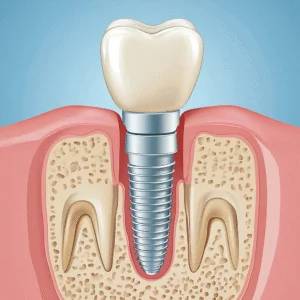
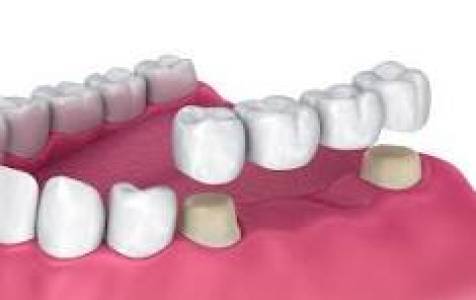
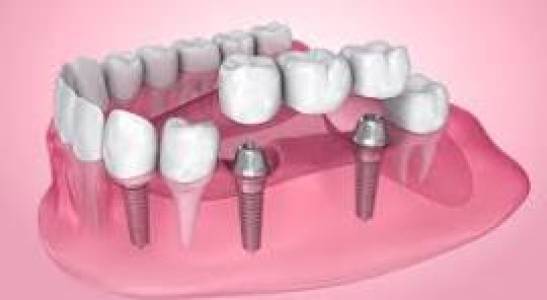
- Save Your Natural Tooth: Avoid the need for tooth extraction, which can lead to more complex and costly procedures like bridges or dental implants in the future.
- Prevent Infection Spread: Eliminates bacteria from the infected root canal, preventing the spread of infection to other teeth or into your jawbone.
- Restore Chewing Function: Allows you to chew normally and comfortably on the treated tooth once fully restored.
- Maintain Facial Structure: Preserving your natural tooth helps maintain the natural alignment of your teeth and jaw.
- Aesthetic Preservation: With a final crown, your treated tooth will look and function just like your other natural teeth.
What is a Root Canal and Why Might You Need One?
Inside your tooth, beneath the enamel and dentin, is a soft tissue called the pulp. This pulp contains blood vessels, nerves, and connective tissue, and helps grow the tooth during its development. If the pulp becomes inflamed or infected due to deep decay, repeated dental procedures on the tooth, a crack or chip in the tooth, or even trauma, a root canal is often necessary.
Symptoms that may indicate the need for a root canal include:
- Persistent Tooth Pain: Ranging from mild to severe, often throbbing, and can be constant or intermittent.
- Sensitivity: Prolonged sensitivity to hot or cold temperatures, even after the source is removed.
- Swelling and Tenderness: In the surrounding gums, jaw, or lymph nodes.
- Pimple-like Bumps on the Gums: Indicating an infection or abscess.
- Tooth Discoloration: Darkening of the tooth.
- Pain Upon Chewing or Biting: Especially when pressure is applied.
Our Root Canal Procedure: What to Expect
Our team prioritizes your comfort and understanding throughout the entire process. Here's a general overview of the steps involved:
- Diagnosis & Planning: We start with a thorough examination, including digital X-rays, to accurately diagnose the problem and plan your treatment.
- Anesthesia: We administer local anesthesia to completely numb the tooth and surrounding area, ensuring a pain-free experience.
- Isolation: A small protective sheet called a "dental dam" is placed around the tooth to keep it clean, dry, and free from saliva during the procedure.
- Access Opening: A small opening is made on the top of the tooth (for back teeth) or the back (for front teeth) to access the pulp chamber and root canals.
- Pulp Removal & Cleaning: The infected or inflamed pulp is carefully removed using specialized instruments. The canals are then cleaned, shaped, and disinfected.
- Filling & Sealing: Once thoroughly cleaned, the root canals are filled with a biocompatible material, typically gutta-percha, and sealed with an adhesive cement to prevent reinfection.
- Temporary Restoration: A temporary filling is placed to seal the access opening until your permanent restoration can be placed.
- Permanent Restoration (Crown): In most cases, a dental crown is highly recommended after root canal therapy. This strengthens the tooth, protects it from future fractures, and restores its full function and aesthetic appeal.
Post-Treatment Care & Recovery
After your root canal procedure, it's normal to experience some mild sensitivity or discomfort for a few days, especially if there was an infection before the treatment. This can typically be managed with over-the-counter pain medication.
- Avoid Chewing: Refrain from chewing on the treated tooth until your permanent crown or restoration is placed to prevent damage.
- Oral Hygiene: Continue your regular brushing and flossing routine.
- Follow-Up: Attend your scheduled follow-up appointments, especially for the placement of your permanent crown.
With proper care and good oral hygiene, a tooth treated with a root canal can last a lifetime.
Why Choose Our Root Canal Therapy?
- Experienced Professionals: Our highly skilled dentists and endodontists specialize in root canal treatments, utilizing the latest techniques for optimal outcomes.
- Advanced Technology: We employ state-of-the-art equipment, including digital X-rays and specialized magnification tools, for precise diagnosis and treatment.
- Patient Comfort Focus: We prioritize your comfort with gentle care, effective anesthesia, and a calming environment.
- Sterile Environment: Adherence to the highest sterilization standards ensures your safety and well-being.
- Comprehensive Care: From initial diagnosis to final restoration and follow-up, we provide seamless, integrated care.
Don't Let Tooth Pain Control Your Life!
If you suspect you may need a root canal or are experiencing severe tooth pain, don't delay seeking professional help. Early intervention can save your tooth and prevent further complications.
Contact us today to schedule a consultation and take the first step towards lasting relief and a healthy smile!