Description
Here's a detailed product description for Root Canal Treatment in Markdown format:
Root Canal Treatment: Preserve Your Smile, Eliminate Pain
Suffering from persistent tooth pain, sensitivity, or facial swelling? You might be experiencing an infection or inflammation deep within your tooth. Root Canal Treatment (RCT) is a highly effective, common dental procedure designed to save your natural tooth, alleviate discomfort, and prevent the spread of infection, allowing you to maintain your oral health and beautiful smile.
What is Root Canal Treatment?
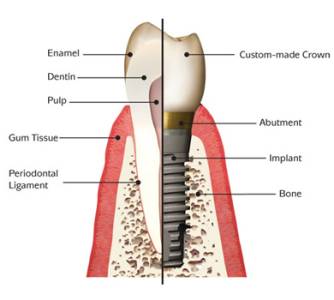
Root Canal Treatment is an endodontic procedure that involves removing the infected or inflamed pulp from inside a tooth. The tooth's pulp contains nerves, blood vessels, and connective tissue, and when it becomes damaged, it can lead to severe pain and infection. During an RCT, the infected pulp is carefully removed, the inside of the tooth is cleaned and disinfected, and then filled and sealed to prevent further infection. This process saves the tooth from extraction, preserving its structure and function.
When is Root Canal Treatment Needed? (Symptoms & Causes)
You may need a root canal if you experience any of the following symptoms or conditions:
Common Symptoms:
- Persistent Tooth Pain: Ranging from mild aches to severe, throbbing pain that can interfere with sleep.
- Sensitivity to Hot and Cold: Lingering sensitivity even after the hot or cold stimulus is removed.
- Tenderness to Touch and Chewing: Discomfort when biting down or touching the affected tooth.
- Swelling: Swelling of the gums around the affected tooth, sometimes extending to the face or neck.
- Pimple-like Bumps on Gums: A "pimple" or "boil" on the gums, indicating an abscess (pus formation).
- Tooth Discoloration: Darkening of the tooth, which can be a sign of internal damage.
Common Causes:
- Deep Decay: Extensive cavities that reach the pulp chamber.
- Repeated Dental Procedures: Multiple fillings or repairs on the same tooth can eventually irritate the pulp.
- Cracked or Chipped Tooth: A fracture that exposes the pulp to bacteria.
- Trauma to the Tooth: An injury, even without visible chips or cracks, can damage the pulp.
The Benefits of Choosing Root Canal Treatment
Opting for an RCT offers numerous advantages, making it a superior choice over tooth extraction in most cases:
- Saves Your Natural Tooth: The primary benefit is preserving your original tooth, which is always the best option for maintaining oral health.
- Eliminates Pain: Effectively removes the source of infection and inflammation, providing lasting relief from discomfort.
- Prevents Spread of Infection: Stops bacteria from spreading to other teeth, gums, and even into the bloodstream.
- Restores Chewing Function: Allows you to continue eating your favorite foods without pain or difficulty.
- Maintains Natural Appearance: Keeps your smile intact, preventing gaps that can arise from tooth loss.
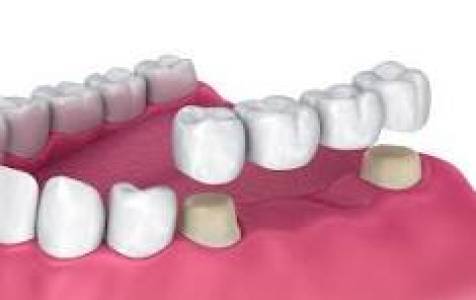
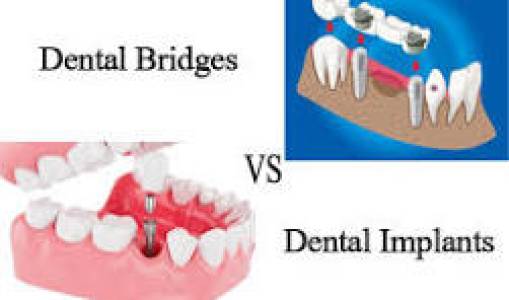
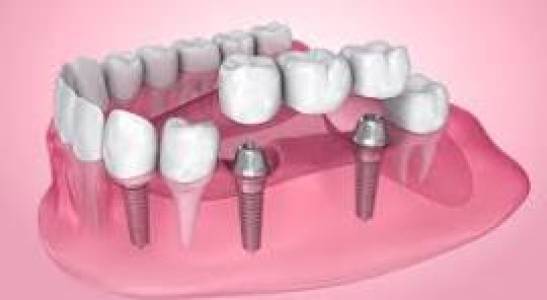
- Cost-Effective in the Long Run: Often more affordable than replacing an extracted tooth with an implant or bridge.
- Protects Adjacent Teeth: Prevents shifting of neighboring teeth that can occur with tooth loss.
Our Root Canal Treatment Process (A Step-by-Step Overview)
We prioritize your comfort and employ advanced techniques to ensure a smooth and successful procedure. Here's what you can expect:
- Diagnosis & Planning:
- A thorough examination, including digital X-rays, to confirm the need for an RCT and assess the extent of the infection.
- Discussion of the procedure and addressing any questions or concerns you may have.
- Anesthesia & Isolation:
- The area around the affected tooth is numbed with local anesthesia, ensuring a pain-free experience.
- A rubber dam is placed around the tooth to keep it dry and free from saliva during the procedure.
- Access Opening:
- A small opening is created in the crown of the tooth to access the pulp chamber and root canals.
- Pulp Removal & Cleaning:
- Using specialized instruments, the infected or inflamed pulp is carefully removed from the pulp chamber and root canals.
- The canals are thoroughly cleaned, shaped, and disinfected to eliminate bacteria.
- Filling & Sealing:
- Once cleaned, the canals are filled with a biocompatible, rubber-like material called gutta-percha.
- The access opening is sealed with a temporary filling.
- Final Restoration:
- In most cases, a dental crown is recommended after an RCT to protect the treated tooth from future fractures and restore its full strength and appearance. This is typically done in a separate appointment.
What to Expect Before, During, and After Your Treatment
Before Your Treatment:
- Consultation: We will discuss your symptoms, review X-rays, and confirm RCT as the best course of action.
- Preparation: You'll receive specific instructions if needed, but generally, you can eat and drink as usual before your appointment.
During Your Treatment:
- Comfort Focus: With modern anesthetics, the procedure itself is typically no more uncomfortable than getting a regular filling.
- Duration: A root canal usually takes one or two appointments, each lasting 60-90 minutes, depending on the complexity of the tooth.
After Your Treatment:
- Mild Soreness: It's normal to experience some mild tenderness or sensitivity for a few days after the procedure, especially when chewing. Over-the-counter pain relievers can manage this.
- Care Instructions: We'll provide detailed post-operative care instructions, including what to eat and how to clean the area.
- Final Restoration: It's crucial to follow up with the placement of your permanent crown or restoration to fully protect the treated tooth.
Why Choose Us for Your Root Canal Treatment?
- Experienced & Compassionate Team: Our dentists are highly skilled in endodontic procedures, committed to providing gentle and effective care.
- Advanced Technology: We utilize state-of-the-art equipment, including digital X-rays for precise diagnosis, and modern rotary instruments for efficient and comfortable treatment.
- Patient-Centered Approach: Your comfort and well-being are our top priorities. We offer various comfort options and explain every step of the process.
- Sterile Environment: Adherence to the highest sterilization standards ensures your safety.
- Comprehensive Care: From initial diagnosis to the final restoration, we provide complete care under one roof.
Frequently Asked Questions (FAQs)
- Q: Is root canal treatment painful?
- A: With modern local anesthetics, the procedure itself is virtually pain-free. Most patients report feeling little to no discomfort during the treatment. The goal is to relieve pain, not cause it.
- Q: How long does a root canal last?
- A: With proper care and a good final restoration (like a crown), a treated tooth can last a lifetime.
- Q: What happens if I delay treatment?
- A: Delaying treatment allows the infection to spread, leading to more severe pain, swelling, bone loss, and potentially the need for tooth extraction.
- Q: Do I always need a crown after a root canal?
- A: While not always, a crown is highly recommended for most teeth (especially molars and premolars) after an RCT. The procedure can weaken the tooth, making it susceptible to fracture. A crown provides essential protection.
Don't Let Pain Rule Your Life – Take the First Step Towards Relief!
If you are experiencing symptoms of an infected tooth, don't delay. Early intervention can save your tooth and prevent more complex problems.
Contact us today to schedule your consultation and learn more about how Root Canal Treatment can help you achieve a pain-free, healthy smile.
Call Us: [Your Phone Number]
Email Us: [Your Email Address]
Visit Us: [Your Website/Address]