Description
Root Canal Therapy: Preserve Your Smile, Eliminate Pain, Restore Health
Restore Comfort and Health to Your Tooth with Advanced Endodontic Treatment
Product Overview
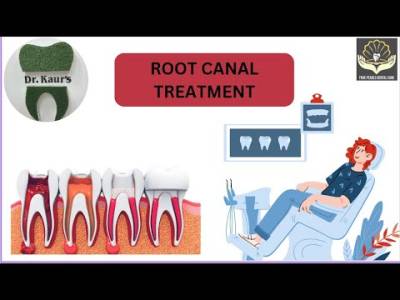
Are you experiencing severe tooth pain, sensitivity to hot or cold, tenderness, or swelling around a specific tooth? You might need a root canal, also known as endodontic therapy. This highly effective and routine procedure is designed to save a tooth that has been severely damaged by deep decay, infection, or trauma. Far from the fearful reputation it once held, modern root canal treatment is comfortable, efficient, and often no more complex than a standard filling.
Our goal is to alleviate your pain, remove infection, and preserve your natural tooth, allowing you to maintain your oral health and smile for years to come.
Key Benefits
- Eliminate Pain: The primary benefit is the immediate and lasting relief from severe toothache caused by infected or inflamed pulp.
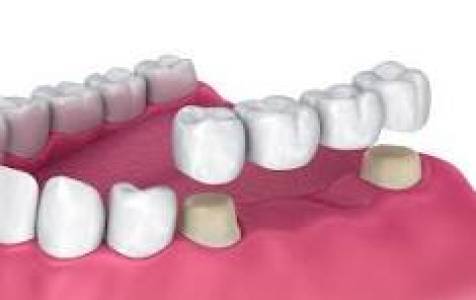
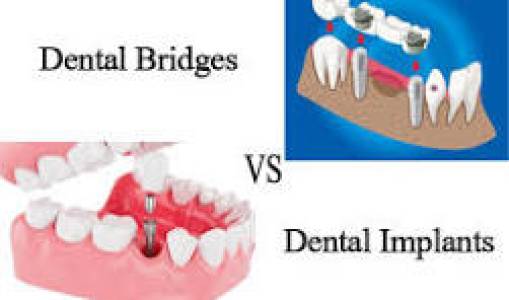
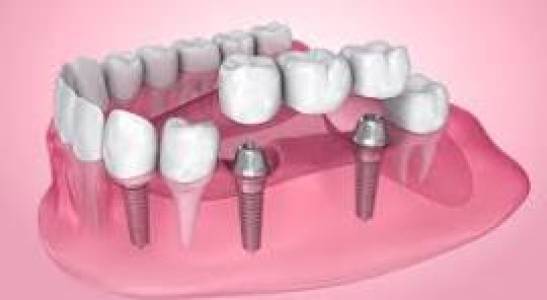
- Preserve Your Natural Tooth: Avoid extraction and maintain the natural alignment of your teeth, preventing future issues like shifting teeth, chewing problems, or the need for more complex (and costly) restorations like implants or bridges.
- Prevent Further Infection: Removes bacteria and infected tissue, stopping the spread of infection to other teeth or into your jawbone.
- Restore Chewing Function: Once treated and restored, your tooth can function normally again, allowing you to eat your favorite foods without discomfort.
- Maintain Aesthetics: A treated tooth, especially when topped with a crown, looks and feels just like your other natural teeth.
- Cost-Effective Long-Term: Saving your natural tooth is often more economical in the long run compared to the costs associated with tooth extraction and subsequent replacement options.
Features & What's Included
Our comprehensive Root Canal Therapy package includes:
- Thorough Diagnostic Examination: Includes digital X-rays and clinical assessment to accurately diagnose the extent of the infection or damage.
- Local Anesthesia: Ensures a completely pain-free procedure from start to finish. Sedation options are also available for anxious patients.
- Isolation of the Tooth: A rubber dam is used to keep the tooth clean, dry, and free from saliva during treatment, enhancing safety and success.
- Removal of Infected Pulp: Precise removal of the inflamed or infected nerve and pulp tissue from inside the tooth's root canals.
- Cleaning & Shaping of Canals: Advanced rotary instruments are used to thoroughly clean, disinfect, and shape the root canals, preparing them for filling.
- Sealing the Canals: The cleaned canals are filled with a biocompatible material (gutta-percha) and sealed to prevent re-infection.
- Temporary Restoration: A temporary filling is placed to protect the tooth until a permanent crown or filling can be placed by your general dentist.
- Post-Procedure Instructions & Support: Detailed aftercare instructions and availability for any questions or concerns.
- Follow-Up: Recommended follow-up appointments to monitor healing and discuss permanent restoration options.
Who Is Root Canal Therapy For?
This treatment is recommended for individuals experiencing:
- Persistent Tooth Pain: Ranging from mild to severe, especially when chewing or applying pressure.
- Prolonged Sensitivity: To hot or cold temperatures, even after the source has been removed.
- Swelling and Tenderness: In the gums surrounding the affected tooth, or sometimes facial swelling.
- Pimples on the Gums: A "pimple" or "boil" (abscess) on the gums that may indicate an ongoing infection.
- Tooth Discoloration: Darkening of the tooth, indicating nerve damage.
- Deep Decay: That has reached the pulp chamber.
- Cracked or Chipped Tooth: That has exposed the pulp.
- Repeated Dental Procedures: On the same tooth that have irritated the pulp.
- Traumatic Injury: To the tooth.
The Root Canal Process: What to Expect
- Diagnosis & Planning: We'll take X-rays and perform a thorough examination to confirm the diagnosis and plan your treatment.
- Anesthesia: The area around the affected tooth will be numbed with local anesthetic, ensuring you feel no pain during the procedure.
- Access Opening: A small opening is made in the crown of the tooth to access the pulp chamber and root canals.
- Cleaning & Shaping: The infected pulp is carefully removed. The canals are then cleaned, disinfected, and shaped using specialized instruments.
- Filling & Sealing: The cleaned canals are filled with a rubber-like material called gutta-percha, and a sealer is applied to prevent bacteria from re-entering.
- Temporary Restoration: A temporary filling is placed in the access opening to protect the tooth.
- Permanent Restoration: In most cases, a dental crown is recommended after root canal therapy to protect the treated tooth from fracture and restore its full function and appearance. This final step is typically performed by your general dentist.
Aftercare & Recovery
- Mild Discomfort: It's normal to experience some mild soreness or sensitivity for a few days after the procedure, which can be managed with over-the-counter pain relievers.
- Avoid Chewing: Try to avoid chewing on the treated tooth until your permanent crown or filling is placed to prevent fracture.
- Oral Hygiene: Continue with regular brushing and flossing.
- Follow-Up: Attend your scheduled follow-up appointments and visit your general dentist promptly for the permanent restoration.
Why Choose Our Practice for Your Root Canal?
- Experienced Professionals: Our skilled dentists and endodontists have extensive training and experience in performing successful root canal therapies.
- State-of-the-Art Technology: We utilize advanced equipment, including digital X-rays, surgical microscopes, and rotary endodontic instruments, for precise and efficient treatment.
- Patient Comfort: We prioritize your comfort with effective local anesthesia, sedation options, and a compassionate, understanding team.
- Sterile Environment: Adherence to the highest standards of sterilization and infection control.
- Comprehensive Care: We work closely with your general dentist to ensure seamless transition from root canal treatment to your final restoration.
Call to Action
Don't let dental pain dictate your life. If you suspect you may need a root canal, or if you're experiencing persistent tooth discomfort, contact us today to schedule a consultation. Let us help you save your tooth, alleviate your pain, and restore your healthy, confident smile.
Call [Your Phone Number] or [Link to Online Booking] to book your appointment!
Frequently Asked Questions (FAQ)
Q: Is a root canal painful? A: No. Thanks to modern anesthetics and techniques, the procedure itself is typically pain-free. It's designed to relieve the pain caused by the infection, not create more. Some mild discomfort after the anesthesia wears off is normal and manageable with medication.
Q: How long does a root canal take? A: A root canal procedure usually takes one to two appointments, each lasting between 60 to 90 minutes, depending on the complexity of the case and the number of canals in the tooth.
Q: What happens if I don't get a root canal when it's needed? A: Delaying treatment can lead to the spread of infection, severe pain, bone loss around the tooth, and eventually, the need for tooth extraction.
Q: Will I need a crown after a root canal? A: In most cases, yes. Root canal treatment can weaken the tooth structure, making it susceptible to fracture. A dental crown provides essential protection, restores strength, and allows the tooth to function normally.
Q: How long does a treated tooth last? A: With proper care and a good permanent restoration (like a crown), a tooth treated with root canal therapy can last a lifetime. Regular dental check-ups and good oral hygiene are crucial.
Q: Are there alternatives to a root canal? A: The main alternative is tooth extraction. However, saving your natural tooth is almost always the preferred option to maintain your oral health and prevent subsequent issues that arise from missing teeth.
Disclaimer: The information provided is for general knowledge and informational purposes only, and does not constitute medical advice. It is essential to consult with a qualified dental professional for diagnosis and treatment recommendations tailored to your specific condition.