Description
Here's a detailed product description for Root Canal Treatment (RCT), formatted in Markdown:
Comprehensive Root Canal Treatment (RCT): Relieve Pain, Preserve Your Natural Smile
Don't Let Pain Dictate Your Life – Save Your Tooth Today!
Experiencing severe tooth pain, prolonged sensitivity, or facial swelling? These could be signs of an infected tooth pulp, a condition that not only causes immense discomfort but can also threaten the health of your entire mouth. Root Canal Treatment (RCT) is a sophisticated and highly effective dental procedure designed to eliminate infection, alleviate pain, and, most importantly, save your natural tooth from extraction.
Often misunderstood, modern root canal therapy is a routine, comfortable, and incredibly successful treatment that can restore your oral health and allow you to chew, speak, and smile with confidence again.
What is Root Canal Treatment (RCT)?
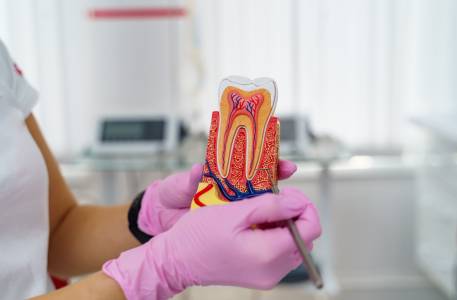
Root Canal Treatment is a dental procedure focused on the inside of your tooth. Each tooth contains a soft tissue core called the pulp, which houses nerves, blood vessels, and connective tissue. When this pulp becomes infected or inflamed due to deep decay, repeated dental procedures, cracks, or trauma, it can cause severe pain and lead to an abscess if left untreated.
During an RCT, our skilled dental team carefully removes the infected or inflamed pulp, meticulously cleans and disinfects the inside of the tooth's root canals, and then fills and seals the space to prevent future infection. The treated tooth is then restored, typically with a crown, to protect it and ensure it functions normally for years to come.
Key Features & Benefits of RCT:
- Effective Pain Relief: Immediately eliminates the source of chronic tooth pain and sensitivity.
- Preserves Your Natural Tooth: Prevents the need for extraction, maintaining your natural bite and smile.
- Prevents Spread of Infection: Halts bacterial growth and protects surrounding teeth and bone.
- Restores Oral Health: Eliminates abscesses and promotes healing of surrounding tissues.
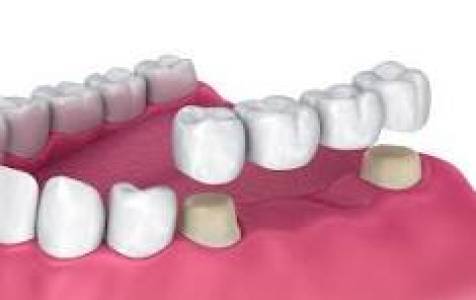
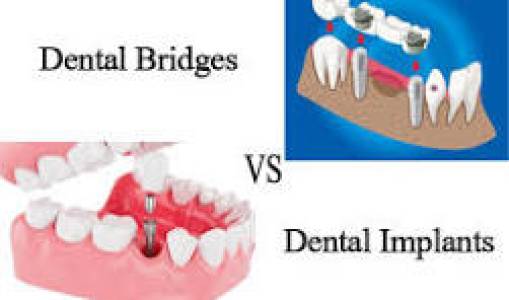
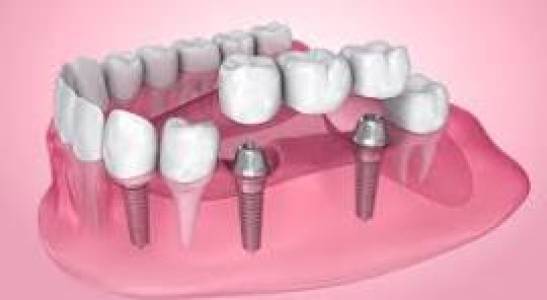
- Maintains Aesthetics: Keeps your natural smile intact, avoiding gaps or the need for bridges/implants.
- Long-Lasting Solution: A successfully treated and restored tooth can last a lifetime.
- Modern Comfort: Performed with advanced techniques and local anesthesia, ensuring a comfortable experience with minimal discomfort.
When Do You Need an RCT? (Signs & Symptoms)
You might be a candidate for root canal treatment if you experience any of the following:
- Severe Toothache: Persistent pain that may worsen when chewing or applying pressure.
- Prolonged Sensitivity: Lingering sensitivity to hot or cold temperatures, even after the source is removed.
- Pimple-like Bump on Gums: A "pimple" or boil (abscess) on the gum near the affected tooth.
- Swelling: Tenderness or swelling in the surrounding gums, jaw, or face.
- Tooth Discoloration: Darkening of the tooth, indicating nerve damage.
- Tenderness to Touch: Pain when touching the affected tooth.
The Root Canal Process: What to Expect
The root canal procedure typically involves 1-2 appointments, depending on the severity of the infection and complexity of the case.
- Diagnosis & Planning: We start with a thorough examination, including X-rays, to accurately diagnose the problem and plan your treatment.
- Anesthesia: Local anesthetic is administered to numb the affected tooth and surrounding area, ensuring you feel no pain during the procedure.
- Access Opening: A small opening is made on the crown of the tooth to access the pulp chamber and root canals.
- Pulp Removal & Cleaning: The infected or inflamed pulp is carefully removed using specialized instruments. The root canals are then thoroughly cleaned, shaped, and disinfected.
- Filling & Sealing (Obturation): Once clean, the root canals are filled with a biocompatible material, typically gutta-percha, and sealed with an adhesive cement to prevent reinfection.
- Temporary Filling: A temporary filling is placed to seal the access opening until your final restoration.
- Permanent Restoration: In most cases, a dental crown is recommended after root canal therapy to protect the treated tooth from fracture and restore its full function and appearance.
Why Choose [Your Practice Name] for Your RCT?
At [Your Practice Name], your comfort and oral health are our top priorities.
- Experienced Professionals: Our dentists are highly trained and experienced in performing root canal treatments with precision and care.
- Advanced Technology: We utilize state-of-the-art equipment, including digital X-rays and rotary instrumentation, for more efficient, effective, and comfortable treatments.
- Patient-Centered Care: We prioritize your comfort, offering sedation options and taking the time to explain every step of the process.
- Sterile Environment: We adhere to the highest standards of sterilization and cleanliness for your safety.
- Comprehensive Follow-Up: We provide thorough aftercare instructions and schedule follow-up appointments to ensure successful healing and long-term tooth preservation.
Aftercare & Recovery
It's normal to experience some mild soreness or sensitivity for a few days after your root canal treatment, especially when chewing. This can usually be managed with over-the-counter pain relievers. We recommend:
- Avoiding chewing on the treated tooth until your permanent restoration (crown) is placed.
- Maintaining excellent oral hygiene with regular brushing and flossing.
- Attending your follow-up appointments.
With proper care, your treated tooth can function just like any other tooth, allowing you to enjoy your favorite foods and activities without pain.
Don't Live With Dental Pain – Take the First Step Towards Relief!
If you suspect you may need a root canal or are experiencing any symptoms of an infected tooth, don't delay. Early intervention can prevent further complications and ensure the best possible outcome.
Contact [Your Practice Name] today to schedule a consultation. Let us help you eliminate pain, save your tooth, and regain your comfort and oral health.
Important Disclaimer: This product description is for informational purposes only and does not constitute medical advice. A proper diagnosis and treatment plan can only be made by a qualified dental professional after a thorough examination. Please consult with your dentist to discuss your specific condition and treatment options.