Description
Crowns and Bridges: Your Solution for Permanent Dental Restoration
Are you struggling with damaged, decayed, or missing teeth? Do you dream of a complete, confident smile that functions beautifully? Crowns and Bridges offer durable, fixed solutions to restore your oral health, aesthetics, and chewing ability. Designed to blend seamlessly with your natural teeth, these restorations provide a long-lasting foundation for a radiant smile.
What are Dental Crowns?
A dental crown, often referred to as a "cap," is a custom-made restoration that completely covers a damaged or weakened tooth above the gum line. It is meticulously crafted to restore the tooth's original shape, size, strength, and appearance.
When are Crowns Recommended?
- Protecting a Weak Tooth: Preventing a fractured tooth from breaking further.
- Restoring a Broken or Severely Worn Tooth: Bringing back its form and function.
- Covering a Large Filling: When there isn't enough natural tooth structure remaining.
- After Root Canal Treatment: Protecting the treated tooth from fracture.
- Covering a Dental Implant: Forming the visible, functional part of the implant restoration.
- Cosmetic Enhancement: Covering severely discolored or misshapen teeth.
- Holding a Dental Bridge in Place: Acting as abutment teeth.
Benefits of Dental Crowns:
- Strengthens and Protects: Provides robust support to weakened teeth.
- Restores Function: Allows for comfortable chewing and biting.
- Enhances Aesthetics: Improves the appearance of discolored, misshapen, or damaged teeth.
- Long-Lasting: With proper care, crowns can last for many years, often decades.
- Custom-Made: Designed to match your existing teeth in color, shape, and size.
Materials Used for Crowns:
Modern dental crowns are crafted from a variety of high-quality, biocompatible materials, chosen based on the tooth's location, functional needs, and your aesthetic preferences:
- Porcelain / Ceramic: Highly aesthetic, mimicking the translucency of natural teeth. Ideal for front teeth.
- Zirconia: Extremely strong and durable, yet also highly aesthetic. A popular choice for both front and back teeth.
- Porcelain Fused to Metal (PFM): Offers a good balance of strength and aesthetics. A metal substructure provides strength, while a porcelain layer covers it for a natural look.
- Gold Alloys: Highly durable and biocompatible, often used for back teeth where strength is paramount and aesthetics are less of a concern.
What are Dental Bridges?
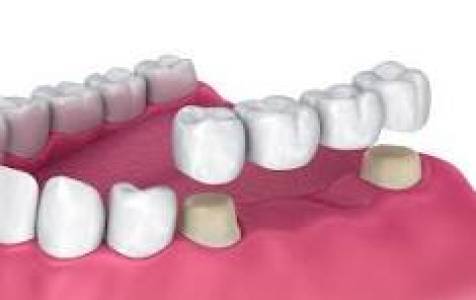
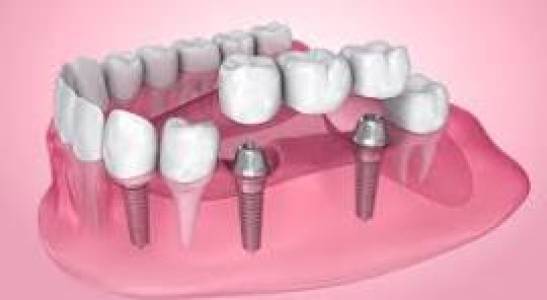
A dental bridge is a fixed prosthetic device used to replace one or more missing teeth by "bridging" the gap created by their absence. It consists of artificial teeth (called pontics) that are held in place by dental crowns placed on the natural teeth (or implants) on either side of the gap. These anchoring teeth are called abutment teeth.
When are Bridges Recommended?
- Replacing One or More Missing Teeth: Restoring a complete arch of teeth.
- Maintaining Facial Structure: Preventing the collapse of cheeks or changes in facial appearance due to tooth loss.
- Preventing Tooth Shifting: Stopping adjacent teeth from drifting into the empty space.
- Restoring Chewing and Speaking Ability: Improving oral function.
- Distributing Bite Forces: Evenly distributing the pressure when you chew.
Benefits of Dental Bridges:
- Restores Your Smile: Fills gaps, creating a complete and uniform appearance.
- Improves Chewing and Speech: Restores the functionality of missing teeth.
- Maintains Tooth Alignment: Prevents remaining teeth from drifting out of position.
- Durable and Fixed: A non-removable solution that feels like your natural teeth.
- Long-Term Solution: With good oral hygiene, bridges can last many years.
Types of Dental Bridges:
- Traditional Bridges: The most common type, involving crowns on the abutment teeth on either side of the missing tooth/teeth, with pontics in between.
- Cantilever Bridges: Used when there are adjacent teeth on only one side of the missing tooth. (Less common due to potential for leverage issues).
- Maryland Bonded Bridges (Resin-Bonded Bridges): Consist of a pontic with wings that bond to the backs of adjacent natural teeth, requiring minimal preparation of the abutment teeth.
The Process of Getting Crowns or Bridges
The placement of crowns and bridges typically involves two or more appointments:
- Initial Consultation & Preparation:
- A thorough examination, including X-rays, to assess your oral health and determine if a crown or bridge is the right solution.
- The tooth (or teeth) receiving the crown(s) will be reshaped to ensure a proper fit for the restoration. For bridges, the abutment teeth are prepared.
- Impressions or digital scans of your prepared teeth and surrounding structures are taken. These models are sent to a dental lab where your custom crown or bridge will be fabricated.
- A temporary crown or bridge will be placed to protect your prepared teeth while your permanent restoration is being made.
- Fabrication (Lab Work):
- Skilled dental technicians in a specialized lab meticulously craft your crown or bridge based on the impressions, ensuring precise fit, natural appearance, and functional integrity. This process typically takes 1-2 weeks.
- Permanent Placement:
- Once your custom crown or bridge arrives from the lab, you'll return for your final appointment.
- The temporary restoration is removed, and the permanent crown or bridge is carefully tried on for fit, bite, and aesthetics.
- Any minor adjustments are made to ensure perfect comfort and alignment.
- Once satisfied, the restoration is permanently bonded to your tooth/teeth using a strong dental adhesive.
Care and Maintenance
With proper care, your crowns and bridges can last for many years.
- Excellent Oral Hygiene: Brush twice daily and floss once a day, paying special attention to the areas around the crowns and underneath bridges. Special floss threaders or interdental brushes may be recommended for bridges.
- Regular Dental Check-ups: Continue with routine dental examinations and cleanings.
- Avoid Hard Foods: Limit sticky, hard, or crunchy foods that could potentially damage your restorations.
- Protect Against Grinding: If you clench or grind your teeth (bruxism), a nightguard may be recommended to protect your crowns and bridges.
Ready to Restore Your Smile and Confidence?
If you have damaged, decayed, or missing teeth, crowns and bridges offer a reliable, aesthetic, and functional solution. Contact us today to schedule a consultation and discover how these fixed dental restorations can help you achieve a healthier, more beautiful smile.