Description
Comprehensive Root Canal Therapy: Save Your Natural Tooth & Relieve Pain
Facing persistent tooth pain, sensitivity, or swelling? You might be experiencing an infected or inflamed tooth pulp, a condition that can threaten your natural tooth. At [Your Clinic Name], our advanced Root Canal Therapy offers a highly effective and gentle solution to alleviate discomfort, eliminate infection, and preserve your natural tooth, preventing the need for extraction.
What is Root Canal Therapy?
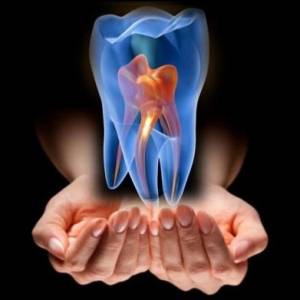
Root Canal Therapy, also known as endodontic treatment, is a dental procedure designed to save a tooth that has severely decayed, cracked, or suffered trauma, leading to infection or inflammation of the pulp (the soft tissue inside your tooth containing nerves and blood vessels).
During the procedure, the infected or damaged pulp is carefully removed, the inside of the tooth is thoroughly cleaned and disinfected, and then filled and sealed. This process relieves pain, stops the spread of infection, and restores the tooth's health and function.
Key Benefits of Choosing Root Canal Therapy:
- Pain Relief: The primary benefit is the immediate and lasting relief from the severe pain caused by an inflamed or infected tooth pulp.
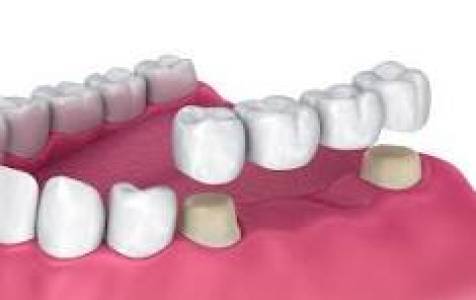
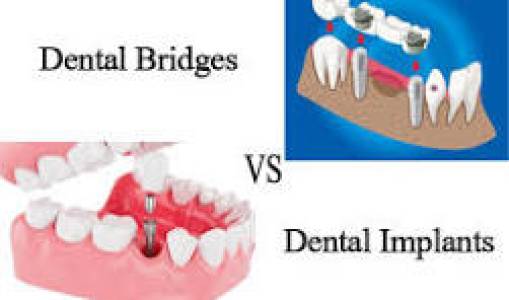
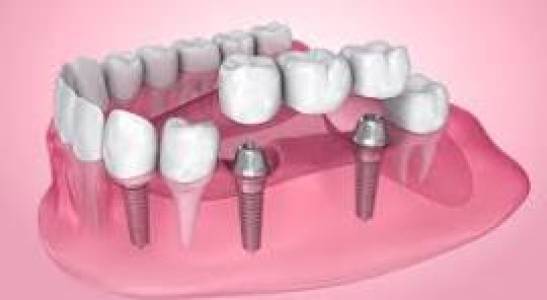
- Tooth Preservation: It allows you to keep your natural tooth, avoiding extraction and the subsequent need for more complex and costly restorative options like bridges or dental implants.
- Prevents Infection Spread: Eliminates bacteria from the infected root canal, preventing the spread of infection to other teeth, gums, or even into the bloodstream.
- Restores Chewing Function: Once treated and restored with a crown, the tooth can function normally again, allowing you to eat your favorite foods without discomfort.
- Maintains Natural Appearance: Preserving your natural tooth maintains your smile's aesthetics and structural integrity.
- Long-Term Solution: With proper care and a permanent restoration (usually a crown), a treated tooth can last a lifetime.
When Might You Need a Root Canal? (Indications)
You might be a candidate for root canal therapy if you experience any of the following symptoms:
- Persistent or Severe Toothache: Especially when chewing or applying pressure.
- Prolonged Sensitivity: To hot or cold temperatures, even after the source is removed.
- Swelling and Tenderness: In the gums surrounding the affected tooth.
- Pimple-Like Bumps (Fistulas): On the gums near the infected tooth, indicating a draining infection.
- Tooth Discoloration: Darkening of the tooth, often due to pulp necrosis.
- Deep Decay or Trauma: An X-ray might reveal infection in the pulp chamber.
The Root Canal Procedure: What to Expect
Our team at [Your Clinic Name] is committed to making your root canal experience as comfortable and stress-free as possible. The procedure typically involves a few key steps:
- Diagnosis & Anesthesia: We begin with a thorough examination, including X-rays, to confirm the diagnosis. A local anesthetic will be administered to numb the affected tooth and surrounding area, ensuring you feel no pain during the procedure.
- Isolation: A small protective sheet, called a dental dam, is placed around the tooth to keep it dry and free of saliva during treatment.
- Access Opening: A small opening is made in the crown of the tooth to access the pulp chamber and root canals.
- Cleaning & Shaping: Using specialized instruments, the infected or inflamed pulp is carefully removed from the pulp chamber and root canals. The canals are then cleaned, disinfected, and shaped to prepare them for filling.
- Filling & Sealing: The cleaned and shaped canals are filled with a biocompatible, rubber-like material called gutta-percha and sealed with an adhesive cement to prevent re-infection.
- Temporary Filling: A temporary filling is placed in the access opening to protect the tooth until your permanent restoration is placed.
- Permanent Restoration: In most cases, a dental crown is recommended after root canal therapy. This protects the treated tooth from future fractures and restores its full strength and function. This step typically occurs in a separate appointment.
Post-Treatment Care & Recovery
It's normal to experience some mild sensitivity or soreness for a few days after your root canal, especially when chewing. This can usually be managed with over-the-counter pain relievers. We recommend:
- Avoiding chewing on the treated tooth until your permanent crown is placed.
- Maintaining excellent oral hygiene with regular brushing and flossing.
- Attending your follow-up appointment for the placement of your permanent crown.
With good oral hygiene and regular dental check-ups, your root canal treated tooth can last a lifetime.
Why Choose [Your Clinic Name] for Your Root Canal Therapy?
- Experienced Professionals: Our highly skilled dentists and endodontists have extensive experience in performing successful root canal treatments.
- Advanced Technology: We utilize state-of-the-art equipment, including digital X-rays and precision instruments, for accurate diagnosis and efficient treatment.
- Patient-Centered Comfort: We prioritize your comfort, offering gentle techniques and a relaxing environment to ease any anxieties.
- Sterilization Excellence: Adherence to the highest standards of sterilization and infection control.
- Personalized Treatment Plans: Each patient receives a tailored treatment plan designed for their unique needs and oral health goals.
Don't Let Pain Rule Your Life!
If you suspect you need a root canal, don't delay. Early intervention can prevent further complications and ensure the best possible outcome for your tooth.
Contact [Your Clinic Name] today at [Phone Number] or [Email Address] to schedule your consultation. Let us help you achieve a healthy, pain-free smile and save your natural tooth!
[Your Clinic Name] - [Your Clinic Address] - [Your Website]