Description
Dental Crowns & Bridges: Comprehensive Restorative Solutions (Metal, PFM, Ceramic)
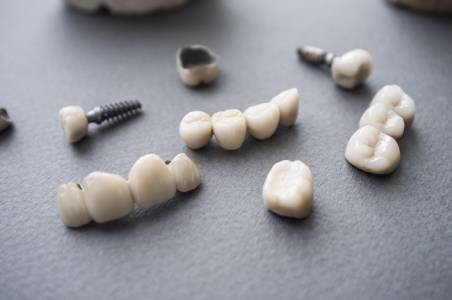
Restore function, aesthetics, and patient confidence with our premium range of custom-fabricated dental crowns and bridges. Utilizing advanced CAD/CAM technology and the finest biocompatible materials, we deliver precise, durable, and highly aesthetic prosthetics designed for optimal patient outcomes.
1. Dental Crowns: Restoring Individual Tooth Integrity
A dental crown, often referred to as a "cap," is a custom-made restoration that encases the entire visible portion of a tooth above the gum line. It is designed to restore a tooth's strength, shape, size, and appearance.
Indications for a Dental Crown:
- Protecting a weak tooth from fracture or holding parts of a cracked tooth together.
- Restoring an already broken tooth or a tooth severely worn down.
- Covering and supporting a tooth with a large filling when there isn't much tooth structure left.
- Covering a dental implant.
- Making a cosmetic modification.
- Holding a dental bridge in place.
- Root canal treated teeth often require a crown for protection.
Benefits of Dental Crowns:
- Enhanced Strength: Reinforces weakened or damaged teeth.
- Improved Aesthetics: Restores natural tooth appearance, color, and shape.
- Protection: Shields compromised teeth from further damage.
- Durability: Long-lasting restorations with proper care.
- Functional Restoration: Restores proper chewing and biting ability.
Types of Dental Crowns by Material:
A. Full Metal Crowns (Gold Alloys, Base Metal Alloys)
- Description: Fabricated entirely from dental-grade metals, typically gold alloys (gold, platinum, palladium) or base metal alloys (nickel-chromium, cobalt-chromium).
- Pros:
- Superior Strength & Durability: Extremely resistant to fracture, ideal for posterior teeth and patients with heavy bites (bruxism).
- Minimal Tooth Reduction: Requires less removal of natural tooth structure compared to other materials.
- Biocompatible: Well-tolerated by gum tissues.
- Long Lifespan: Often the longest-lasting crown option.
- Less Wear on Opposing Teeth: Generally kinder to opposing natural teeth than ceramics.
- Cons:
- Unesthetic: The metallic color is highly visible, making them unsuitable for anterior teeth.
- Thermal Conductivity: Can be more sensitive to hot/cold initially.
- Ideal Application: Molars, where strength and durability are paramount and aesthetics are less critical.
B. Porcelain Fused to Metal (PFM) Crowns
- Description: A hybrid restoration featuring a strong metal alloy substructure (usually nickel, chromium, or palladium based) with a layer of tooth-colored porcelain fused over it.
- Pros:
- Good Strength & Aesthetics: Offers a balance of the strength of metal with the natural appearance of porcelain.
- Durable: Resilient enough for both anterior and posterior applications.
- Cost-Effective: Generally more affordable than all-ceramic options while providing good results.
- Predictable Results: A time-tested and reliable restorative option.
- Cons:
- Potential for Dark Margin: Over time, gum recession can expose the metal margin near the gum line, creating a dark line.
- Porcelain Chipping: The porcelain layer can chip or fracture under heavy stress.
- More Tooth Reduction: Requires more tooth preparation than full metal crowns to accommodate both metal and porcelain layers.
- Less Translucent: While aesthetic, they don't achieve the natural translucency of all-ceramic crowns.
- Ideal Application: Anterior and posterior teeth where a balance of strength, durability, and aesthetics is desired, and cost is a consideration.
C. All-Ceramic Crowns (Zirconia, Emax)
- Description: Fabricated entirely from dental ceramic materials, offering superior aesthetics without a metal core.
- Zirconia Crowns: Made from zirconium dioxide, a highly durable and biocompatible ceramic. Available in monolithic (full contour) for extreme strength, or layered with porcelain for enhanced aesthetics.
- Emax (Lithium Disilicate) Crowns: Crafted from lithium disilicate glass-ceramic, renowned for its exceptional translucency and aesthetic properties, combined with excellent strength.
- Pros:
- Outstanding Aesthetics: Mimic the natural translucency, color, and opalescence of natural teeth, making them ideal for visible areas.
- Metal-Free: Eliminates the risk of allergic reactions to metal and prevents the dark line at the gum line.
- Biocompatible: Highly tissue-friendly.
- Strength (especially Zirconia): Modern zirconia offers strength comparable to, or even exceeding, PFM, making it suitable for posterior regions and bridges. Emax provides excellent strength for anterior applications.
- Cons:
- Higher Cost: Generally more expensive than PFM or full metal crowns.
- Requires Precise Bonding: Adhesion to the tooth structure is critical for optimal strength and longevity.
- Potential for Wear on Opposing Teeth: Some older or less polished zirconia formulations could cause wear on opposing natural teeth (modern formulations are highly polished and less abrasive).
- Ideal Application:
- Zirconia: Posterior teeth, implant crowns, and multi-unit bridges where high strength and good aesthetics are required.
- Emax: Anterior teeth, veneers, inlays, onlays, and single-unit crowns where supreme aesthetics and natural light transmission are paramount.
2. Dental Bridges: Replacing Missing Teeth
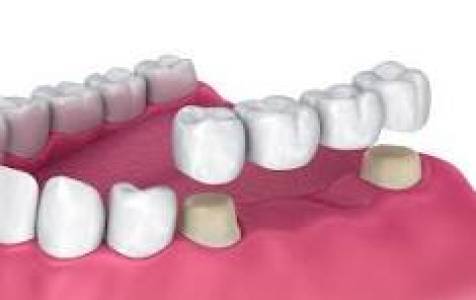
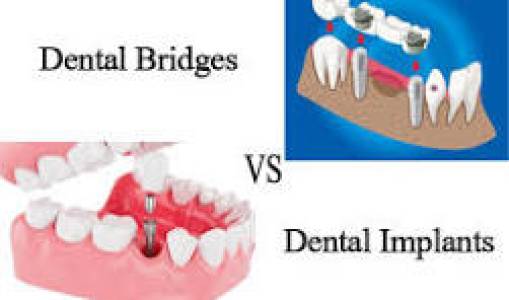
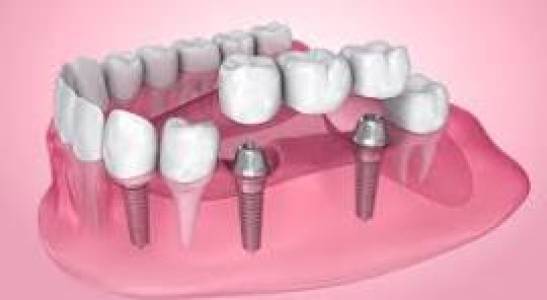
A dental bridge is a fixed prosthetic device used to replace one or more missing teeth by "bridging" the gap between two healthy teeth or implants. It consists of two or more crowns for the teeth on either side of the gap (abutment teeth) and one or more false teeth (pontics) in between.
Indications for a Dental Bridge:
- Replacing one or more missing teeth.
- Maintaining facial shape and preventing changes in bite.
- Preventing remaining teeth from drifting out of position.
- Restoring chewing and speaking ability.
- Eliminating unwanted spaces and improving aesthetics.
Benefits of Dental Bridges:
- Fixed Solution: A non-removable option, offering stability and comfort.
- Restored Function: Improves chewing efficiency and speech clarity.
- Aesthetic Improvement: Fills gaps, enhancing the smile's appearance.
- Prevents Tooth Migration: Stops adjacent teeth from shifting into the empty space.
- Preserves Facial Structure: Helps maintain the natural contours of the face.
Types of Dental Bridges by Material:
The material options for dental bridges largely mirror those of crowns, with specific considerations for span length and bite forces.
A. Full Metal Bridges
- Description: Entirely cast from dental alloys (gold or base metals).
- Pros: Exceptional strength and durability, minimal preparation of abutment teeth, ideal for long spans or heavy bite forces.
- Cons: Unesthetic due to metallic appearance.
- Ideal Application: Posterior regions where maximum strength is crucial, and aesthetics are not a primary concern.
B. Porcelain Fused to Metal (PFM) Bridges
- Description: A metal framework supporting porcelain pontics and crowns.
- Pros: Good balance of strength, durability, and aesthetics. Can be used for longer spans than all-ceramic, especially in posterior regions.
- Cons: Potential for metal show-through, porcelain chipping, and less natural translucency compared to all-ceramic.
- Ideal Application: Anterior and posterior bridges, offering a reliable and time-tested solution.
C. All-Ceramic Bridges (Zirconia)
- Description: Primarily fabricated from high-strength zirconia, either monolithic or layered with conventional porcelain.
- Pros: Unmatched aesthetics, providing a completely metal-free and natural-looking restoration. Highly biocompatible. Full contour zirconia bridges offer excellent strength for spans up to three or four units.
- Cons: Can be more expensive. While strong, careful case selection is necessary for very long spans or in patients with severe parafunctional habits.
- Ideal Application: Anterior and posterior bridges (short to medium spans) where aesthetics are paramount, and patients desire a metal-free option. Zirconia is the material of choice for all-ceramic bridges due to its inherent strength.
Why Choose Our Crowns and Bridges?
- Precision Manufacturing: Utilizing state-of-the-art CAD/CAM technology for impeccable fit and marginal integrity.
- Premium Materials: Sourcing only high-grade, biocompatible, and FDA-approved materials from leading manufacturers.
- Expert Craftsmanship: Our highly skilled technicians combine artistic flair with scientific precision to create lifelike restorations.
- Custom Shade Matching: We ensure seamless integration with the patient's existing dentition for a natural, undetectable finish.
- Exceptional Durability: Engineered for longevity, designed to withstand daily functional demands.
- Dedicated Support: Our team is available to consult on case planning, material selection, and technical questions.
Ordering & Case Submission:
To ensure the best results, please provide:
- High-Quality Impressions/Scans: Accurate digital intraoral scans (STL files) or traditional PVS/Polyether impressions.
- Bite Registration: Clear occlusal records.
- Shade Selection: Detailed shade information (e.g., VITA Classical, 3D Master) and any specific characterization requests or photos.
- Prescription Form: Completed with all relevant patient information, tooth numbers, material choice, and design specifications.
Elevate your practice with restorative solutions that combine cutting-edge technology, superior materials, and artistic expertise. Contact us today to discuss your next case or to request a detailed price list.