Description
Root Canal Treatment: Preserve Your Natural Smile & Relieve Pain
What is Root Canal Treatment?
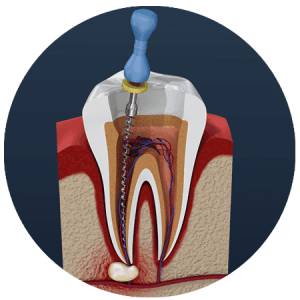
Often misunderstood and feared, Root Canal Treatment (RCT) is a highly effective and routine dental procedure designed to save a tooth that has been severely damaged by deep decay, trauma, or infection. Far from being painful, modern root canal therapy is performed with advanced techniques and anesthesia, often relieving the very pain that brings patients to our clinic.
At its core, RCT involves removing the infected or inflamed pulp (the soft tissue inside your tooth containing nerves and blood vessels), carefully cleaning and shaping the inside of the root canal, and then filling and sealing the space. This process eliminates pain, prevents the spread of infection, and allows you to retain your natural tooth for many years to come.
The Transformative Benefits of Root Canal Treatment
Choosing root canal treatment offers a multitude of advantages that extend beyond immediate pain relief:
- Exceptional Pain Relief: The primary benefit is the elimination of the severe pain caused by an infected or inflamed tooth pulp.
- Save Your Natural Tooth: RCT prevents the need for tooth extraction, allowing you to keep your natural tooth and maintain your bite.
- Prevent Infection Spread: It stops the infection from spreading to other teeth, gums, and even into your jawbone, protecting your overall health.
- Restore Chewing Function: Once treated and properly restored (often with a crown), the tooth can function normally, allowing you to chew and speak comfortably.
- Maintain Oral Health: Keeping your natural teeth helps preserve the alignment of your other teeth and the integrity of your jawbone structure.
- Aesthetically Pleasing: With a proper restoration, your treated tooth will look natural, blending seamlessly with your smile.
When Is Root Canal Treatment Recommended?
You might need a root canal if you experience any of the following symptoms:
- Severe Toothache: Persistent pain, especially when chewing or applying pressure.
- Prolonged Sensitivity: Lingering sensitivity to hot or cold temperatures, even after the source is removed.
- Swelling and Tenderness: Swollen, tender gums around the affected tooth.
- Pimple-Like Bump (Fistula): A recurring or persistent "pimple" on the gums near the painful tooth, which may indicate an abscess.
- Tooth Discoloration: Darkening or discoloration of the tooth.
- Deep Decay: Extensive cavities that have reached the pulp.
- Trauma: A chip or crack in the tooth that has exposed or damaged the pulp.
Your Root Canal Treatment Journey: What to Expect
Modern root canal treatment is a comfortable and efficient procedure. Here's a general overview of what to expect:
- Diagnosis & Anesthesia: We begin with a thorough examination, including X-rays, to confirm the diagnosis. Local anesthesia is then administered to numb the affected area, ensuring a pain-free experience.
- Access Opening: A small opening is made on the crown of the tooth to access the pulp chamber and root canals.
- Cleaning & Shaping: Using specialized instruments, the infected or inflamed pulp tissue is carefully removed. The root canals are then thoroughly cleaned, disinfected, and shaped to prepare them for filling.
- Filling (Obturation): The cleaned and shaped canals are filled with a biocompatible material, typically gutta-percha, and sealed to prevent re-infection.
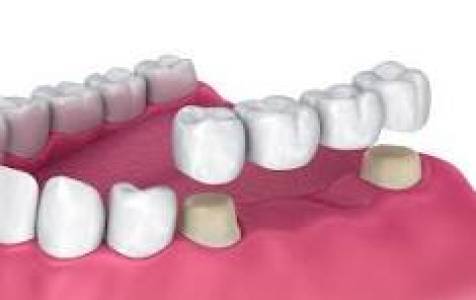
- Restoration: A temporary filling is placed to seal the access opening. In most cases, a permanent crown is recommended after root canal treatment to protect the weakened tooth structure and restore its full function and appearance.
Why Choose [Your Clinic Name] for Your Root Canal Treatment?
When you choose [Your Clinic Name] for your root canal needs, you benefit from:
- Experienced & Compassionate Team: Our dentists have extensive experience in performing root canal treatments, utilizing the latest techniques for optimal outcomes.
- Advanced Technology: We employ state-of-the-art diagnostic tools and treatment equipment, including digital X-rays and rotary endodontic instruments, for precise and efficient procedures.
- Patient-Centered Care: Your comfort and well-being are our top priorities. We take the time to explain every step, answer your questions, and ensure you feel at ease.
- Comfort & Relaxation: We offer amenities and options to help you relax during your appointment, ensuring a stress-free experience.
- Comprehensive Follow-up: We provide thorough post-treatment instructions and schedule follow-up appointments to monitor your healing and ensure the long-term success of your treatment.
After Your Root Canal: Post-Treatment Care
Some mild discomfort or sensitivity is normal for a few days after the procedure. Here's how to ensure a smooth recovery:
- Avoid Chewing: Try to avoid chewing on the treated tooth until your permanent restoration (crown) is in place.
- Good Oral Hygiene: Continue to brush and floss regularly to keep your mouth clean.
- Complete Your Restoration: It is crucial to return to our clinic for your permanent crown or filling as recommended. This protects the treated tooth from fracture and re-infection.
- Follow Instructions: Adhere to any specific instructions given by your dentist regarding medication or care.
- Regular Check-ups: Maintain your routine dental check-ups to monitor the health of your treated tooth and overall oral health.
Frequently Asked Questions (FAQs)
Q: Is root canal treatment painful? A: No. With modern anesthesia and advanced techniques, root canal treatment is typically no more uncomfortable than getting a filling. The procedure aims to relieve the pain you're already experiencing.
Q: How long does a root canal take? A: The procedure usually takes one or two appointments, each lasting between 60 to 90 minutes, depending on the complexity of the tooth.
Q: What if I don't get a root canal? A: If left untreated, the infection can spread, leading to severe pain, facial swelling, bone loss, and eventually, the loss of the tooth.
Q: How long will the tooth last after a root canal? A: With proper care and a timely permanent restoration (like a crown), a tooth treated with a root canal can last a lifetime.
Q: Do I really need a crown after a root canal? A: In most cases, yes. A root canal-treated tooth can become more brittle and susceptible to fracture. A crown provides crucial protection, restoring the tooth's strength and preventing future damage.
Don't Let Tooth Pain Control Your Life.
If you're experiencing severe tooth pain, sensitivity, or swelling, it's crucial to seek professional dental attention immediately. Early intervention can prevent further complications and save your natural tooth.
Contact [Your Clinic Name] today to schedule a consultation and find out if Root Canal Treatment is the right solution for you. We're here to help you regain comfort and preserve your natural smile!
[Phone Number] | [Website] | [Address]