Description
Here's a detailed product description for a root canal procedure, formatted in Markdown, designed to be informative, reassuring, and persuasive for potential patients.
Gentle Root Canal Therapy: Save Your Natural Tooth & Find Lasting Relief
What is a Root Canal?
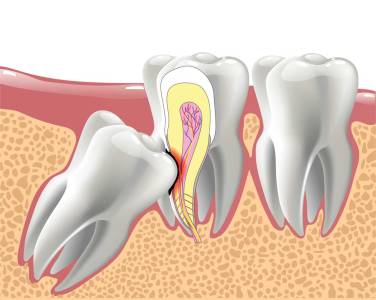
A root canal, also known as endodontic therapy, is a highly effective and common dental procedure designed to save a tooth that has become severely infected, inflamed, or damaged. Inside each of your teeth is a soft tissue called the pulp, which contains nerves, blood vessels, and connective tissue. When this pulp becomes compromised, it can cause severe pain, sensitivity, and lead to an abscess if left untreated.
Root canal therapy involves carefully removing the infected or inflamed pulp, meticulously cleaning and disinfecting the inside of the tooth, and then filling and sealing the space to prevent future infection. Far from the fearful reputation it once held, modern root canal treatments are often as comfortable as a routine filling, thanks to advanced techniques and effective anesthesia.
Why Might You Need a Root Canal?
You might require a root canal if you experience symptoms indicating a damaged or infected tooth pulp. These can include:
- Persistent Tooth Pain: Ranging from mild aches to severe, throbbing pain, especially when chewing or applying pressure.
- Sensitivity to Hot and Cold: Lingering sensitivity long after the hot or cold stimulus has been removed.
- Swollen Gums: Tenderness and swelling in the gums around the affected tooth.
- Pimple-Like Bump on Gums: A "pimple" or lesion on the gum that may release pus (an abscess).
- Tooth Discoloration: Darkening of the tooth, indicating nerve damage.
- Tenderness to Touch: Pain when touching the tooth or the surrounding area.
- Deep Decay: Extensive tooth decay that has reached the pulp chamber.
- Cracked or Chipped Tooth: Damage that exposes the pulp to bacteria.
The Transformative Benefits of Root Canal Therapy
Opting for a root canal offers numerous advantages over tooth extraction, preserving your natural smile and oral health:
- Eliminates Pain & Infection: The primary benefit is immediate and lasting relief from the severe pain and discomfort caused by an infected tooth.
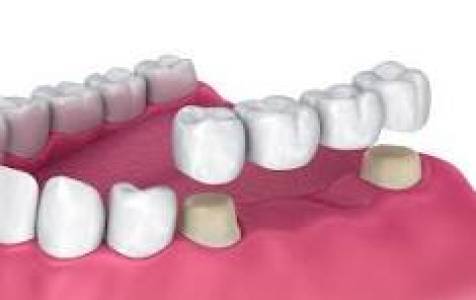
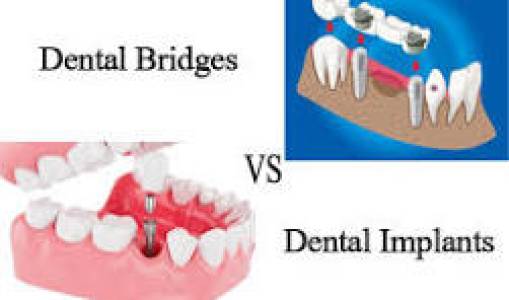
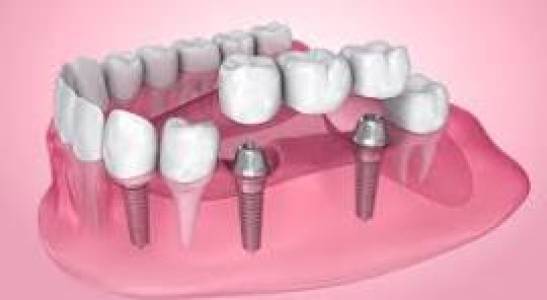
- Saves Your Natural Tooth: It allows you to keep your natural tooth, preventing the need for bridges or dental implants and maintaining your natural bite and chewing function.
- Prevents Spread of Infection: Halts the spread of infection to other teeth, gums, and even into your bloodstream, which can have serious systemic health implications.
- Maintains Aesthetics: Preserving your natural tooth means your smile retains its original appearance.
- Cost-Effective Long-Term: While there's an initial investment, saving your natural tooth often proves more cost-effective than extraction followed by a prosthetic replacement (like an implant or bridge) over time.
- Efficient and Predictable: With modern techniques, root canal therapy boasts a very high success rate, offering a predictable solution for tooth preservation.
Our Gentle & Precise Root Canal Process
At [Your Practice Name], we prioritize your comfort and deliver exceptional care using state-of-the-art technology. Here's what you can expect:
- Comprehensive Diagnosis: We begin with a thorough examination, including X-rays and possibly 3D imaging, to accurately diagnose the problem and plan your treatment.
- Anesthesia for Comfort: We ensure you are completely comfortable by administering local anesthetic to numb the affected tooth and surrounding area. You will not feel any pain during the procedure.
- Isolation: A dental dam is placed around the tooth to keep it dry and free from saliva during the treatment, ensuring a sterile environment.
- Access Opening: A small opening is made in the crown of the tooth to access the pulp chamber and root canals.
- Pulp Removal & Cleaning: Using specialized, flexible instruments (often rotary files), the infected or inflamed pulp is carefully removed. The root canals are then thoroughly cleaned, disinfected, and shaped.
- Filling & Sealing: Once cleaned, the canals are filled with a biocompatible material, typically a rubber-like compound called gutta-percha, and sealed with an adhesive cement to prevent reinfection.
- Temporary Filling/Restoration: A temporary filling is placed in the access opening to protect the tooth until your permanent restoration.
- Permanent Restoration (Crown): In most cases, a dental crown is recommended after a root canal to protect the treated tooth from future fracture and restore its full strength and function. This is typically done in a separate appointment.
Why Choose [Your Practice Name] for Your Root Canal?
- Experienced & Skilled Dentists: Our team has extensive experience in performing root canal therapy with precision and success.
- Patient-Centered Comfort: We go above and beyond to ensure your experience is as comfortable and stress-free as possible, offering amenities and compassionate care.
- Advanced Technology: We utilize modern dental technology, including digital X-rays, rotary endodontic instruments, and powerful magnification, for efficient and effective treatment.
- Clear Communication: We believe in empowering our patients with knowledge. We will clearly explain every step of your treatment and answer all your questions.
- Comprehensive Care: From diagnosis to the final restoration (crown), we provide seamless, integrated care to ensure the long-term health of your treated tooth.
What to Expect After Your Root Canal
It's normal to experience some mild sensitivity or discomfort for a few days after your root canal, especially when chewing, as your body heals. This can usually be managed with over-the-counter pain relievers. We will provide detailed aftercare instructions, including:
- Avoiding chewing on the treated tooth until your permanent crown is placed.
- Maintaining excellent oral hygiene.
- Attending your follow-up appointments for the permanent restoration.
With proper care, a tooth treated with a root canal can last a lifetime!
Investment & Insurance
The cost of a root canal varies depending on the tooth's location and the complexity of the case. We understand that dental treatment is an investment in your health. Our team will provide you with a detailed treatment plan and discuss payment options. We also work with most dental insurance providers to help you maximize your benefits. Please contact us for a personalized estimate.
Ready to Find Relief?
Don't let tooth pain or infection compromise your health and comfort any longer. A root canal can be the solution you need to save your natural tooth and restore your oral well-being.
Schedule a consultation today at [Your Practice Name] to discuss your options.
[Your Practice Name] [Your Address] [Your City, State, Zip Code] [Your Phone Number] [Your Website Address] [Your Email Address]
Frequently Asked Questions (FAQs)
Q: Is a root canal painful? A: Modern root canal procedures are generally not painful. With effective local anesthesia, the treatment is often no more uncomfortable than having a routine filling. The goal of a root canal is to relieve pain, not cause it.
Q: How long does a root canal take? A: The procedure typically takes one to two appointments, each lasting between 60 to 90 minutes, depending on the complexity of the tooth (e.g., molars have more canals than front teeth).
Q: What if I choose not to get a root canal? A: If a severely infected or damaged tooth is left untreated, the infection can spread, leading to a severe abscess, bone loss, and eventually requiring tooth extraction. This can lead to more complex and costly problems in the future.
Q: Will my tooth look different after a root canal? A: While the treated tooth itself may sometimes darken over time, the final dental crown will be custom-matched to your natural tooth color, ensuring a seamless and aesthetic result.
Q: How long will the treated tooth last? A: With proper care and a protective permanent restoration (usually a crown), a tooth that has undergone root canal therapy can last a lifetime, just like your other natural teeth.
Important Disclaimer
This product description is intended for general informational purposes only and does not constitute medical advice. The information provided should not be used for diagnosing or treating a health problem or disease, and it is not a substitute for professional care. If you have or suspect you have a health problem, you should consult your dental professional. Individual results may vary.