Description
Here's a detailed product description for Root Canal Treatment in Markdown format:
Save Your Tooth & End Pain: Comprehensive Root Canal Treatment
Experiencing persistent toothache, sensitivity, or gum swelling? Don't let an infected tooth compromise your oral health and overall well-being. Our advanced Root Canal Treatment (RCT) offers a highly effective solution to alleviate pain, eliminate infection, and save your natural tooth from extraction.
What is Root Canal Treatment?
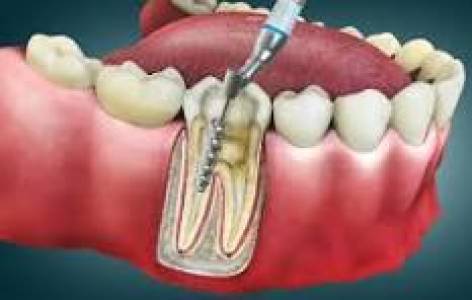
Root Canal Treatment is a sophisticated dental procedure designed to remove infected or damaged pulp (the soft tissue inside your tooth containing nerves, blood vessels, and connective tissue). Once the infection is cleared, the inside of the tooth is thoroughly cleaned, disinfected, shaped, and then filled with a biocompatible material to prevent future infection. Finally, the tooth is sealed, often with a crown, to restore its strength and function.
Contrary to popular belief, modern root canal treatments are comparable to a routine filling in terms of comfort, thanks to advanced techniques and effective local anesthesia.
Why Choose Root Canal Treatment?
RCT offers numerous benefits that extend beyond just pain relief:
- Eliminate Pain & Discomfort: The primary goal and immediate relief from severe toothache caused by infection or inflammation.
- Save Your Natural Tooth: Avoid the need for extraction, preserving your natural smile and bite alignment.
- Prevent Infection Spread: Stops the infection from spreading to other teeth, gums, or even into the jawbone and bloodstream.
- Restore Chewing Function: Allows you to chew normally and comfortably without pain or sensitivity.
- Maintain Natural Appearance: Keeps your smile intact, preventing gaps that can occur with tooth loss.
- Long-Term Solution: With proper care, a root-treated tooth can last a lifetime.
Indications: When Might You Need an RCT?
You might be a candidate for Root Canal Treatment if you experience any of the following symptoms:
- Severe Toothache: Persistent pain that often worsens with pressure or chewing.
- Prolonged Sensitivity: Lingering sensitivity to hot or cold temperatures, even after the stimulus is removed.
- Gum Swelling or Tenderness: Swollen, tender gums around the affected tooth.
- Pimple on the Gums (Fistula): A small, pimple-like bump on the gums near the infected tooth, indicating pus drainage.
- Tooth Discoloration: Darkening of the tooth, indicating nerve damage.
- Pain Upon Touching: Discomfort or pain when the tooth is touched or tapped.
Our Approach to Root Canal Treatment: Precision & Comfort
We are committed to providing a comfortable and effective root canal experience using state-of-the-art technology and a patient-centric approach:
- Experienced Endodontists/Dentists: Our dental professionals have extensive training and experience in performing intricate root canal procedures.
- Advanced Diagnostic Tools: We utilize digital X-rays and 3D imaging (CBCT scans) for precise diagnosis and treatment planning.
- Dental Operating Microscopes: Enhanced magnification and illumination allow for meticulous cleaning and shaping of even the most complex canal anatomies.
- Rotary Endodontics: Using flexible, nickel-titanium instruments for efficient, precise, and less invasive canal shaping.
- Thorough Disinfection: Advanced irrigation protocols to eliminate bacteria and debris from within the tooth.
- Anesthesia & Sedation Options: Local anesthesia ensures a pain-free procedure. For anxious patients, sedation options (e.g., nitrous oxide, oral sedation) are available to ensure complete comfort.
- Sterile Environment: Strict adherence to sterilization protocols for your safety and peace of mind.
- Post-Treatment Care & Support: Clear instructions and follow-up to ensure optimal healing and longevity of your treated tooth.
The Root Canal Treatment Process: What to Expect
While individual cases may vary, a typical root canal treatment usually involves the following steps:
- Diagnosis & Planning: We'll perform a thorough examination, including X-rays, to confirm the diagnosis and plan the treatment.
- Anesthesia: The area around the affected tooth will be numbed with local anesthesia to ensure a pain-free procedure.
- Isolation: A rubber dam is placed around the tooth to keep it dry and free from saliva during the procedure, ensuring a sterile environment.
- Access Opening: A small opening is made on the top of the tooth (for back teeth) or the back (for front teeth) to access the pulp chamber and root canals.
- Pulp Removal & Cleaning: The infected or damaged pulp is carefully removed from the pulp chamber and root canals using specialized instruments (files). The canals are then thoroughly cleaned, shaped, and disinfected with antiseptic solutions.
- Filling the Canals: Once the canals are clean and dry, they are filled with a biocompatible, rubber-like material called gutta-percha, which seals the canals to prevent reinfection.
- Temporary Filling: A temporary filling is placed in the access opening to protect the tooth until the permanent restoration.
- Permanent Restoration: In a subsequent appointment, the tooth will be permanently restored with a crown or a permanent filling. This step is crucial to protect the treated tooth from fracture and restore its full function.
FAQs About Root Canal Treatment
Q: Is root canal treatment painful? A: Modern root canal treatments are virtually painless. We use effective local anesthesia to completely numb the area, making the procedure as comfortable as a routine filling. Post-procedure soreness is common and can be managed with over-the-counter pain medication.
Q: How long does an RCT take? A: A root canal can typically be completed in one to two appointments, each lasting between 60-90 minutes, depending on the complexity of the tooth and the infection. The final permanent restoration (e.g., a crown) is usually done in a separate appointment.
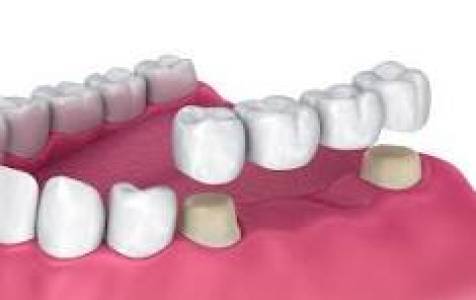
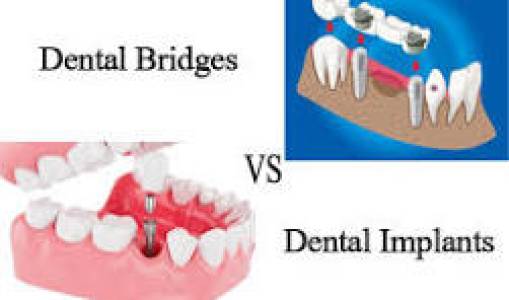
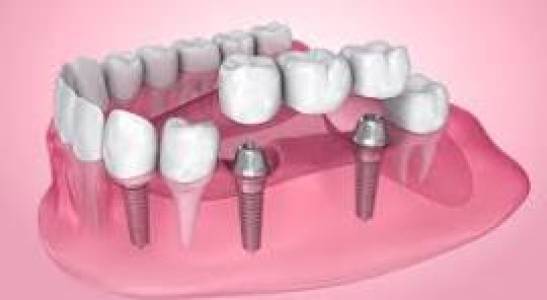
Q: What is the alternative to root canal treatment? A: The primary alternative to root canal treatment is tooth extraction. While extraction removes the source of infection, it creates a gap in your smile, which can lead to shifting teeth, difficulty chewing, and requires further treatment like a bridge or dental implant to replace the missing tooth. Root canal treatment allows you to keep your natural tooth.
Q: How long will my root-treated tooth last? A: With proper oral hygiene and regular dental check-ups, a root-treated tooth can last for many years, often a lifetime. The final restoration (usually a crown) is vital for its long-term success.
Q: Can a root-treated tooth still get a cavity? A: Yes. While the pulp is removed, the tooth structure itself can still decay. It's crucial to maintain excellent oral hygiene, including brushing, flossing, and regular dental visits, to prevent new cavities.
Don't Suffer in Silence. Take the First Step Towards Relief!
If you're experiencing symptoms of a dental infection or believe you might need a root canal, don't delay. Early intervention can prevent further complications and ensure a smoother, more successful treatment.
Contact us today to schedule a consultation and let us help you restore your oral health and comfortable smile!
Disclaimer: This product description is for informational purposes only and does not constitute medical advice. Individual results may vary. A thorough dental examination and consultation with a qualified dentist or endodontist are required to determine the most appropriate treatment plan for your specific condition.